

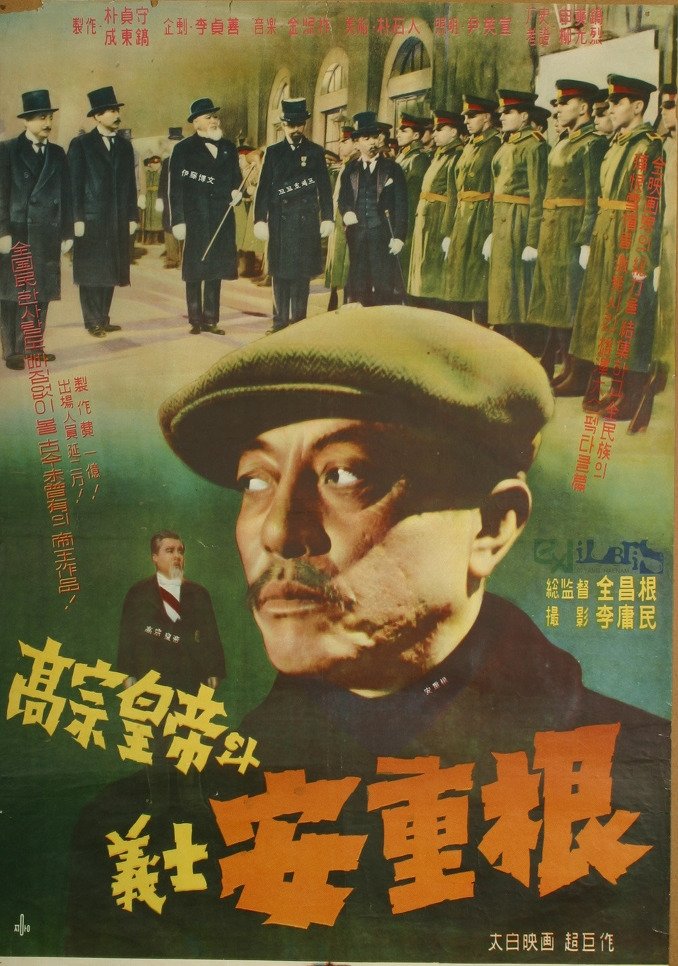
King Gojong and Martyr An Jung-geun
History
Overview
At the end of the Joseon Dynasty, shortly after the Eulsa Treaty has been forced to be concluded by Ito Hirobumi and the pro-Japanese courtiers, Japan pressures King Gojong to step down from the throne. Meanwhile, An Jung-geun, who is cultivating men of ability at Samheung school, is deeply impressed by a speech made by An Chang-ho, and heads for Russia to volunteer the army fighting for independence of the country. As both a lieutenant general of the Korean militia and a commander of the Korean expeditionary force in Manchuria, he carries on the independence movement in defiance of Japanese coercion.
Top Cast
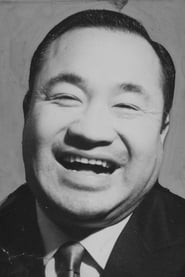
Kim Seung-ho
Emperor Gojong
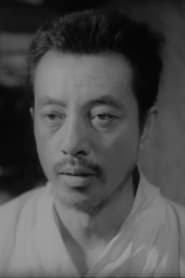
Jeon Chang-geun
Ahn Jung-geun
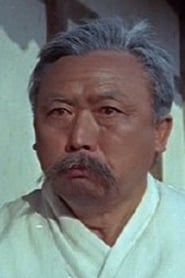
Choi Nam-hyun
Lee Deungbakmun
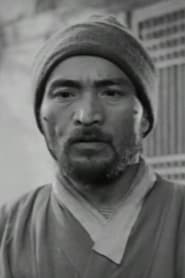
Eok Song
Gyu-seol Han (Minister of Suffrage)
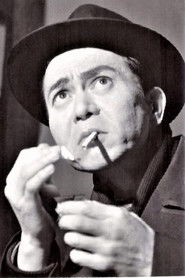
Lee Hyang
Wan-Yong Lee (Minister)
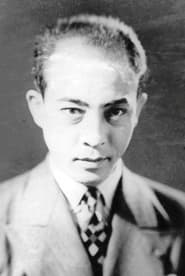
Seo Wol-yeong
Ji-Yong Lee (Interior Minister)
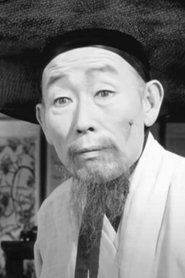
Ji-man Ha
Lee Geun-taek (Military Minister)
Byeon Gi-jong
Lee Ha-young (Minister of Justice)
Park Bin
Park Je-soon (External Minister)
Jeong Kook-san
Youngki Min (Minister)
Yeong-tae Park
Kwon Joong-Hyun (Minister of Commerce and Industry)
Ju Seon-tae
Song Byung-jun

Kim Seung-ho
Kim Seung-ho
Emperor Gojong
Kim Seung-ho
Emperor Gojong
Jeon Chang-geun
Jeon Chang-geun
Ahn Jung-geun
Jeon Chang-geun
Ahn Jung-geun
Choi Nam-hyun
Choi Nam-hyun
Lee Deungbakmun
Choi Nam-hyun
Lee Deungbakmun
Eok Song
Eok Song
Gyu-seol Han (Minister of Suffrage)
Eok Song
Gyu-seol Han (Minister of Suffrage)
Lee Hyang
Lee Hyang
Wan-Yong Lee (Minister)
Lee Hyang
Wan-Yong Lee (Minister)
Seo Wol-yeong
Seo Wol-yeong
Ji-Yong Lee (Interior Minister)
Seo Wol-yeong
Ji-Yong Lee (Interior Minister)
Ji-man Ha
Ji-man Ha
Lee Geun-taek (Military Minister)
Ji-man Ha
Lee Geun-taek (Military Minister)
Byeon Gi-jong
Byeon Gi-jong
Lee Ha-young (Minister of Justice)
Byeon Gi-jong
Lee Ha-young (Minister of Justice)
Park Bin
Park Bin
Park Je-soon (External Minister)
Park Bin
Park Je-soon (External Minister)
Jeong Kook-san
Jeong Kook-san
Youngki Min (Minister)
Jeong Kook-san
Youngki Min (Minister)
Similar Movies
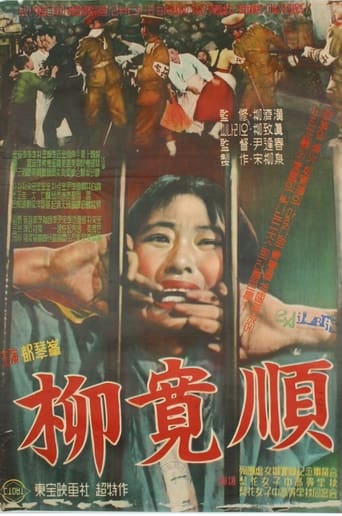
This film is about of the life of the young patriotic martyr Yu Gwan-sun, who fought for the liberation of her country during the Independence Movement in 1919. As the Independence Movement becomes more and more intense among Korean students, the Japanese authorities order schools closed temporarily. Yu Gwan-sun (Do Geum-bong) persuades her neighbors to join the national movement, and continues her aggressive struggle against Japanese rule. An independent campaign at Aunae, a market site, is successful with the passionate participation of many people. She is arrested by the Japanese police for leading the campaign and has to endure horrible tortures. But she never gives up her fight, encouraging her cell mates to participate in the movement. She is finally taken to an underground room by the Japanese police and murdered.
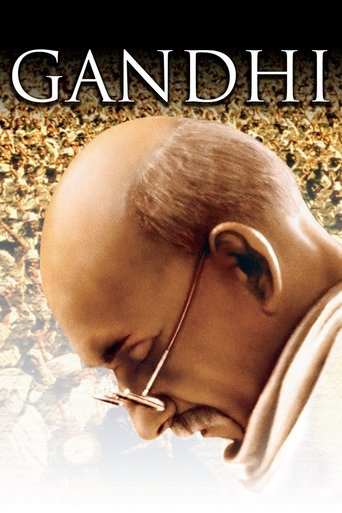
In the early years of the 20th century, Mohandas K. Gandhi, a British-trained lawyer, forsakes all worldly possessions to take up the cause of Indian independence. Faced with armed resistance from the British government, Gandhi adopts a policy of 'passive resistance', endeavouring to win freedom for his people without resorting to bloodshed.

Korea, 1645 - Joseon Dynasty: a partially blind and gifted acupuncturist, Gyeong-su, is invited to work alongside the royal physician in the palace of King Injo, just before the crown prince Sohyeon returns after having been held captive by the Qing Dynasty. Prince Sohyeon and his father begin to differ in opinion on the future direction of their dynasty, leading King Injo to suffer from severe anxiety and paranoia. One night, Gyeong-su witnesses prince Sohyeon's death. Disbelieved as a witness on account of his blindness, Gyeong-su must struggle to reveal the truth while not falling prey to the power-hungry conspirators of the palace.
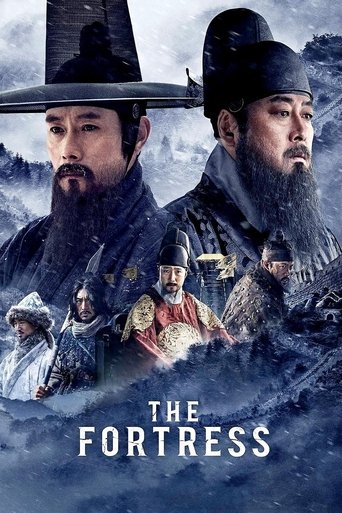
Ancient Korea, 17th century. The powerful Khan of the Jurchen tribe of Manchuria, who fights the Ming dinasty to gain China, becomes the first ruler of the Qing dinasty and demands from King In-jo of Joseon to bow before him; but he refuses, being loyal to the Mings. On December 14th, 1636, the Qing horde invades Joseon, so King In-jo and his court shelter in the mountain fortress of Namhan and prepare to defend the kingdom.
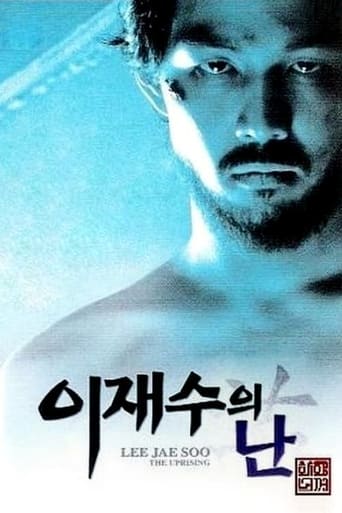
In the late 19th century Catholicism was gaining a foothold on Jeju island, much to the horror of the Confucian community, who were seeing their influence diminishing as well as getting increased taxes from Catholic-friendly government officers. The conflict became a religious war that resulted in a rebel Confucian army massacring hundreds of Christians in little more than a matter of days. The Uprising details the events leading up to the assault, focusing on the story of Yi Jae-su, the young man destined to become the leader of the rebel army.
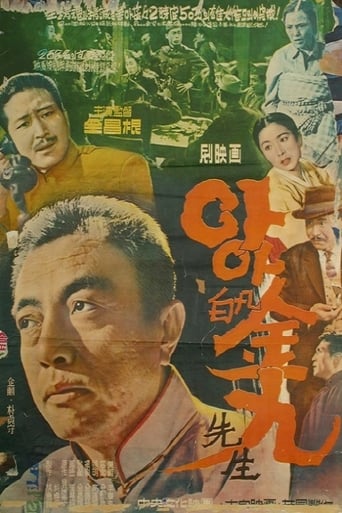
Kim Chang-su, who participated in the Donghak Movement, escapes to Manchuria after being chased by the Japanese army, finally making his way home. Angered by the assassination of Empress Myeong-seong, he murders a Japanese lieutenant and is sent to jail. He escapes from prison turns his focus on the democratic movement by teaching civilians and organizing Sinminheo (a democratic organization), even changing his name to 'Kim Gu.' After he is imprisoned again, he gets out on parole and goes to China, where he participates in establishing a provisional government from which he can direct the anti-Japanese struggle. Kim Gu goes on to play a part in Yun Bong-gil's deeds in Shanghai, the events at Hongkou Park, the encounter with Jiang Jish, and the establishment of the Korean National Army, and leads the struggle for Korea's independence with warm fraternal love and clear national spirit. When Korea is liberated in August 15, 1945, he returns back to his native land.