

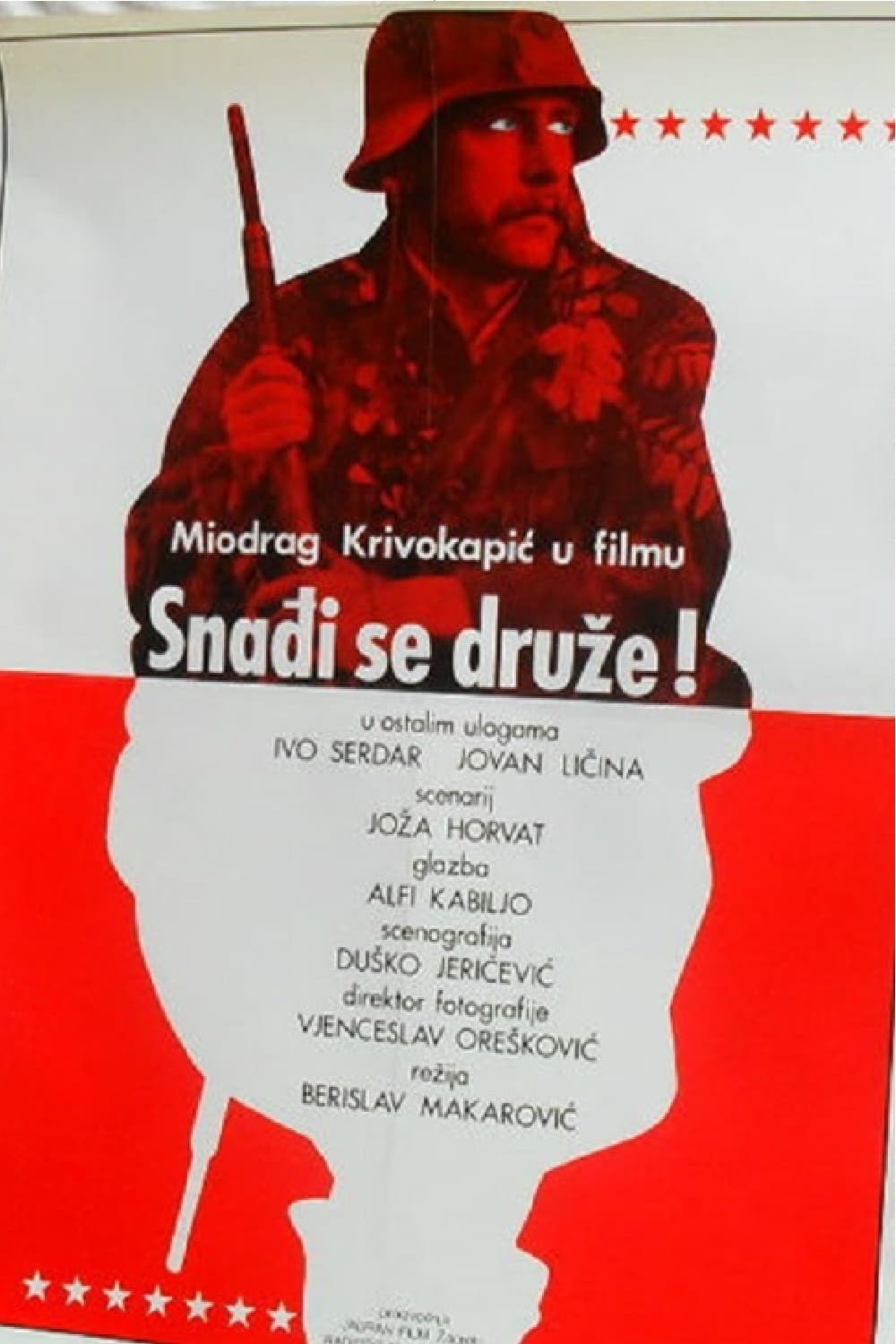
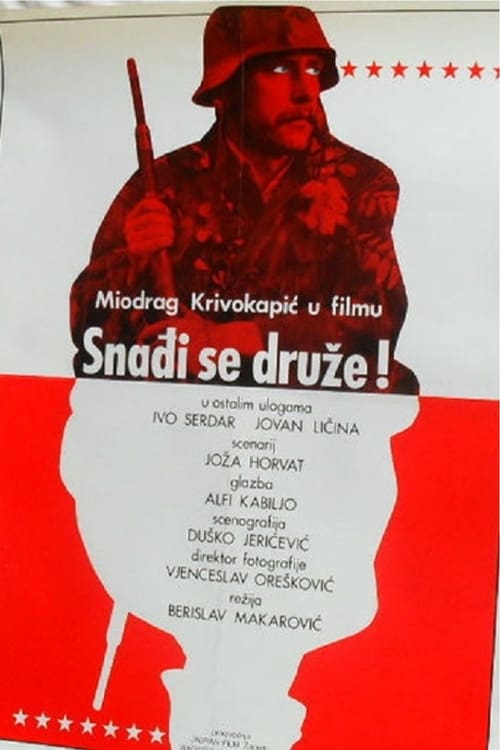
Find a Way, Comrade
War · Drama
Overview
Based on a TV sit-com series and set in World War II, about how an ordinary woodcutter develops into an active partisan fighter.
Top Cast
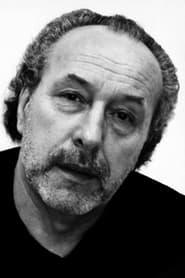
Miodrag Krivokapić
Ilija Kapara
Ivo Serdar
Franjo Smokvina
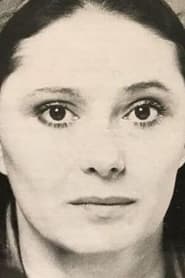
Božidarka Frajt
Janja
Krešimir Zidarić
Kušlec - komandant brigade
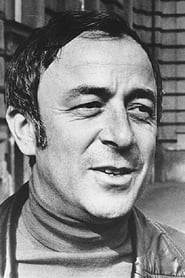
Uglješa Kojadinović
Sirača - komandir čete
Jovan Ličina
Nadsatnik pl. Buzan

Božidar Orešković
Brico
Mate Ergović
Velečasni
Vida Jerman
Lenka
Željko Mavrović
Imbra Falačec

Jadranka Matković
Imbrina žena
Helena Buljan



Miodrag Krivokapić
Miodrag Krivokapić
Ilija Kapara
Miodrag Krivokapić
Ilija Kapara
Ivo Serdar
Ivo Serdar
Franjo Smokvina
Ivo Serdar
Franjo Smokvina
Božidarka Frajt
Božidarka Frajt
Janja
Božidarka Frajt
Janja
Krešimir Zidarić
Krešimir Zidarić
Kušlec - komandant brigade
Krešimir Zidarić
Kušlec - komandant brigade
Uglješa Kojadinović
Uglješa Kojadinović
Sirača - komandir čete
Uglješa Kojadinović
Sirača - komandir čete
Jovan Ličina
Jovan Ličina
Nadsatnik pl. Buzan
Jovan Ličina
Nadsatnik pl. Buzan
Božidar Orešković
Božidar Orešković
Brico
Božidar Orešković
Brico
Mate Ergović
Mate Ergović
Velečasni
Mate Ergović
Velečasni
Vida Jerman
Vida Jerman
Lenka
Vida Jerman
Lenka
Željko Mavrović
Željko Mavrović
Imbra Falačec
Željko Mavrović
Imbra Falačec
Similar Movies

In 1992, the Yugoslav army and Serbian paramilitary forces captured one-third of Croatia as the country was engulfed in a state of war. A squad of fighters is defending their position in the small but strategically significant village of Sunja, where the invaders have surrounded them on three sides. Ivan Salaj, a young and gifted director who was still enrolled in film school at the time, chooses to use their story as the subject of his student film. Considered one of the most important films from a period when Croatian independence was still at stake, it provides an accurate portrayal of life on the front lines. What makes Hotel Sunja even more special is that it was made by a group of students who risked their lives to make the movie.
Leah Weiss, a Polish Jew, was first forced into prostitution at Auschwitz. Afterwards, she was victimized in medical experiments. Now, twenty years later, German war crimes prosecutors hope she will be their star witness. But can she stand up to the shame, the publicity, and the reliving of those experiences?
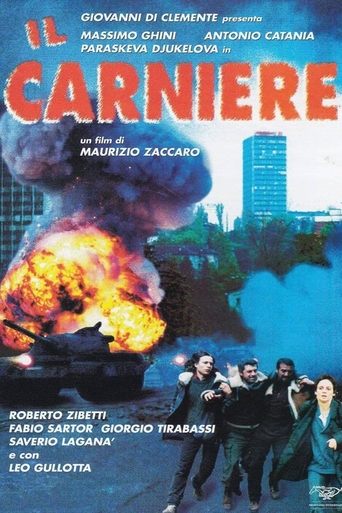
In late summer 1991, three Italians reach a hunting reserve in Croatia with a station wagon. They go to deer, but, unaware of what's in store for months, they do not decipher the enigmatic signs that surround them. One of the three is suddendly wounded in the knee by a bullet of unknown provenance, and they end up in a hotel targeted by snipers night and day.
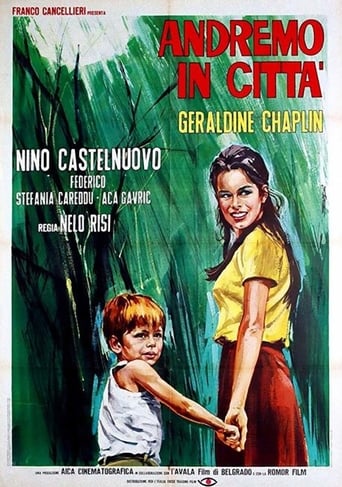
"Andremo in città" (We'll Go to the City) is a 1966 Italian drama film directed by Nelo Risi. It is based on the novel of the same name by Edith Bruck, Risi's wife. Bruck, a Hungarian concentration camp-survivor, settled in Italy after the Second World War and wrote about her experiences in autobiographical and fictional formats.[1] The film stars Geraldine Chaplin and Nino Castelnuovo.
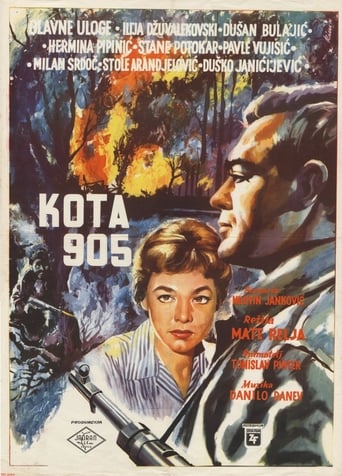
After the war, a Yugoslav army captain, Vladimir, is in charge of suppressing armed supporters of the former king's regime, led by major Momir. After Vladimir's best friend is killed, he joins the rebels pretending to be one of the king's supporters. However, one of Momir's supporters, a man who harbors rebels, has an attractive daughter who is engaged to marry Momir. She knows that Vladimir is an officer of the Yugoslav army, because she has seen him wearing a Yugoslav uniform. Vladimir fears that she might betray him.
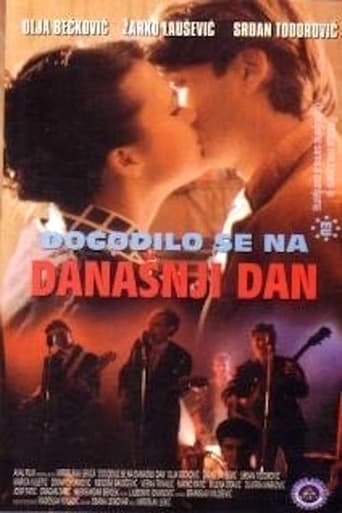
Belgrade in 1963. In a yard surrounded by buildings, a group of young people of different backgrounds and social status, but of similar views about love and self-affirmation, spend their time together. Their friendship is dyed with various events typical for socialism, such as working actions or Youth Day's parade. All what happens within this yard may become an allegory of one generation's destiny.
They meet in Yugoslavia. Katharina, daughter of a Yugoslavian immigrant worker, has grown up in the Federal Republic of Germany. She is a confident, energetic career woman who has managed to work her way up to become a successful television journalist. She goes to visit her parent's country, to do a story about the children of immigrant workers in their home country. Although she says she doesn´t need a "home" any more, even she feels strange in her own country. Peter is a rather "untypical" sort of man: a dreamer, a thinker. He has given up his steady job as a composer for advertising films and is divorced. He goes to Jugoslavia to find something out about the past. He travels to the places where his father was stationed during the Second World War.