

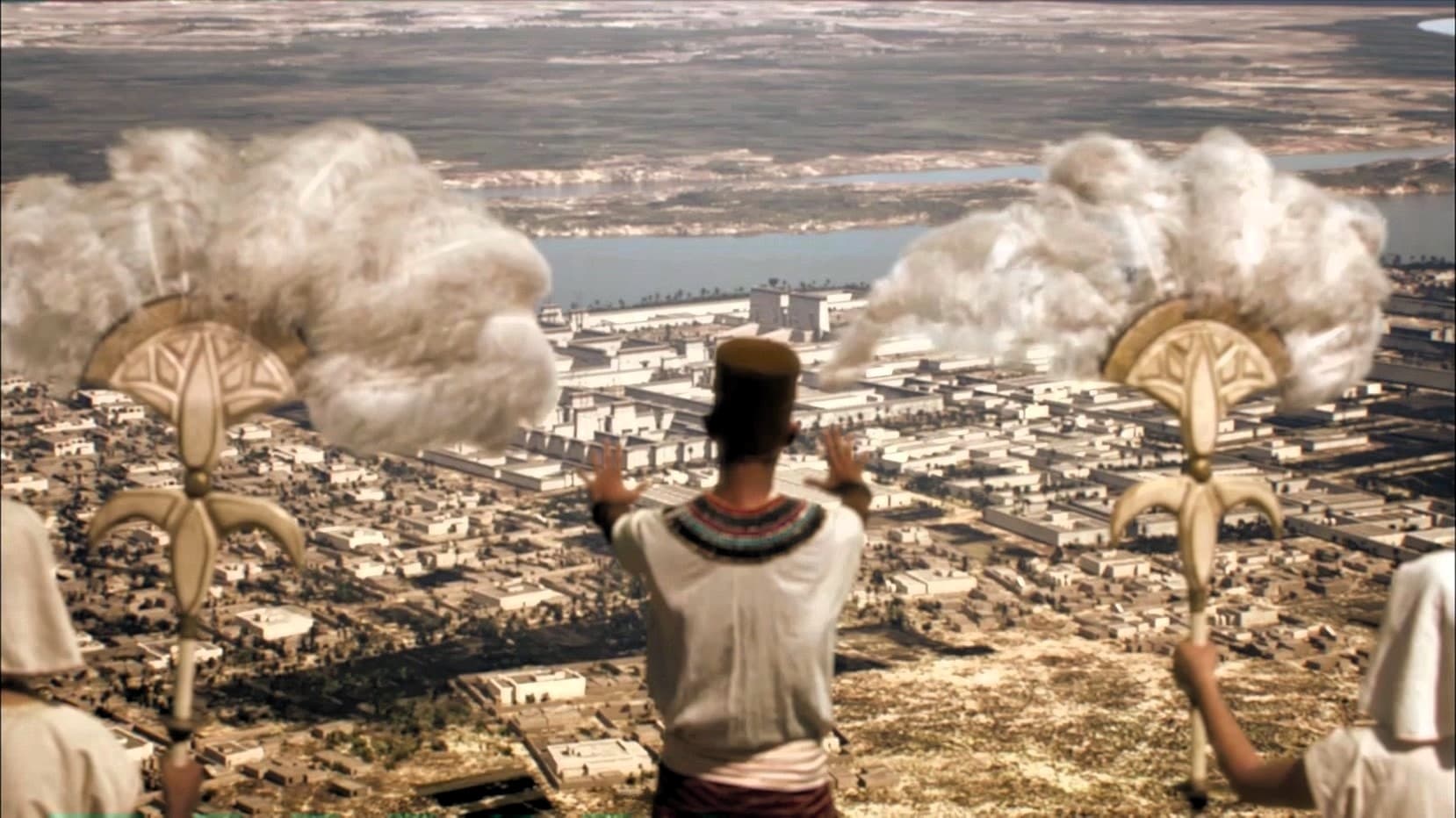

Ägypten: Sehnsucht nach Unsterblichkeit
Documentary
Overview
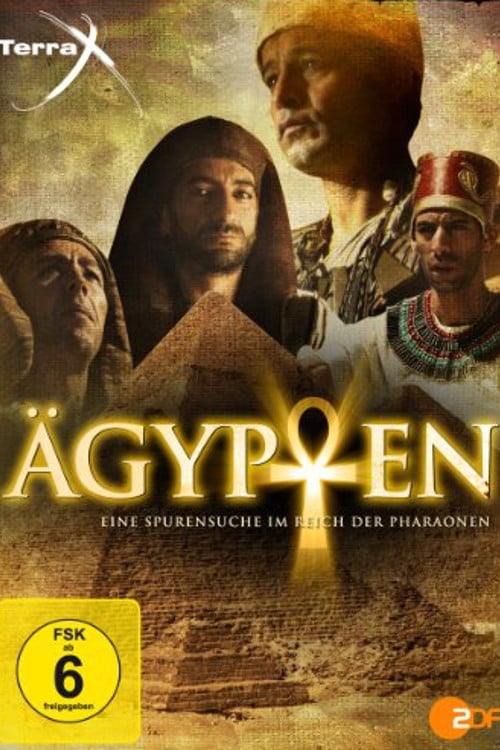
Around 3,000 BC, the first territorial state in history was created with the unification of Upper and Lower Egypt. The empire on the Nile was to exist for 3,000 years. The current section focuses on religion, temple economy and the cult of the dead and examines the reigns of Akhenaten and Ramses II. The culture of Ancient Egypt is characterized by religion, temple economy and the cult of the dead. Two pharaohs play an important role in this context: Akhenaten and Ramses II. When Akhenaten ascended the throne around 1,350 BC, religious customs in Egypt had hardly changed for almost 2,000 years. The influential priesthood was organized hierarchically and the rituals were set out in fixed rituals. The temples are not only the spiritual but also the economic centers of the country.



Salah Bensalah
Salah Bensalah
Echnaton
Salah Bensalah
Echnaton

Said Bey
Said Bey
Ramses II
Said Bey
Ramses II

Philipp Schepmann
Philipp Schepmann
Narrator
Philipp Schepmann
Narrator
Similar Movies
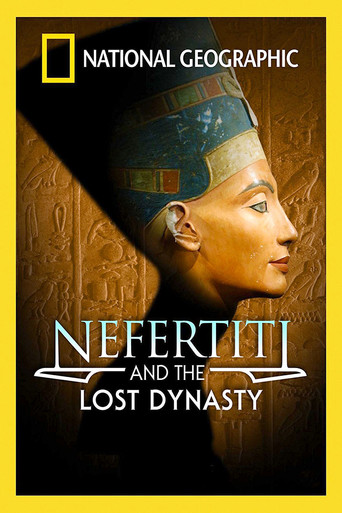
It is one of Egypt's enduring mysteries. What happened to Nefertiti and her husband, Akhenaten - the radical king, and likely father of King Tut? In a dark and mysterious tomb located in the Valley of the Kings, there is a small chamber with two mummies without sarcophagi or wrappings. At times, both have been identified as Queen Nefertiti by scholars, filmmakers and historians. But the evidence has been circumstantial at best.
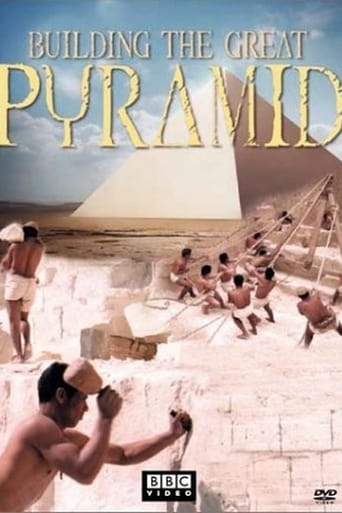
Of the Seven Wonders of the Ancient World, the Pyramid is the only one to survive. Many believe that even with our 21st-century technology, we could not build anything like it today. Based on the most up-to-date research and the latest archaeological discoveries, here is how the Pyramid came to be.
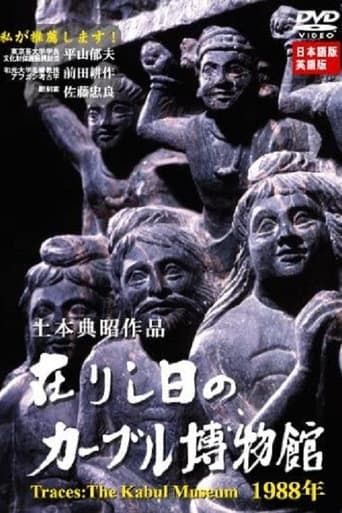
The Kabul National Museum, once known as the "face of Afghanistan," was destroyed in 1993. We filmed the most important cultural treasures of the still-intact museum in 1988: ancient Greco-Roman art and antiquitied of Hellenistic civilization, as well as Buddhist sculpture that was said to have mythology--the art of Gandhara, Bamiyan, and Shotorak among them. After the fall of the Democratic Republic of Afghanistan in 1992, some seventy percent of the contents of the museum was destroyed, stolen, or smuggled overseas to Japan and other countries. The movement to return these items is also touched upon. The footage in this video represents that only film documentation of the Kabul Museum ever made.
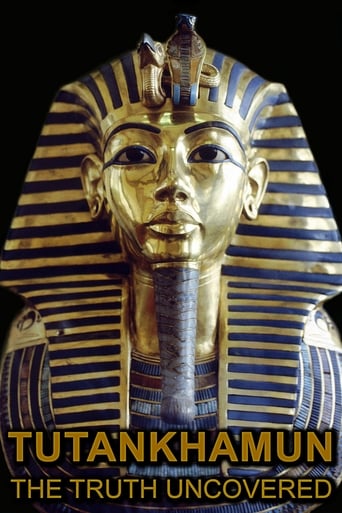
What killed King Tutankhamun? Ever since his spectacular tomb was discovered, the boy king has been the most famous pharaoh of all ancient Egypt. But his mysterious death, at just 19 years old, has never been explained. In this BBC One special, presenter Dallas Campbell reveals new scientific research and carries out unique experiments to get to the truth. For the first time, a virtual autopsy of Tut's mummified body reveals astonishing secrets about the pharaoh. Using CT scan data, the programme creates the first ever full size, scientifically accurate image of the real Tutankhamun. Brand new DNA analysis uncovers a shocking secret about Tut's family background, and the genetic trail of clues leads to a radical and revolutionary new theory to explain Tut's sudden and unexpected death. This is an epic detective story that uncovers the extraordinary truth of the boy behind the golden mask.
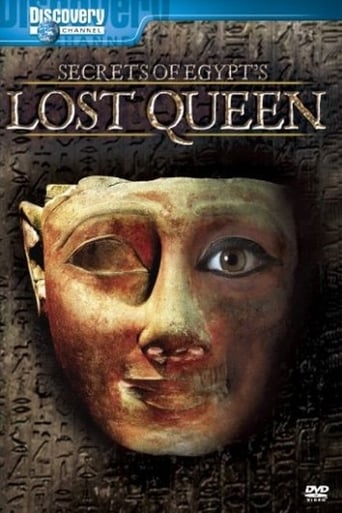
Move over, King Tut: There's a new pharaoh on the scene. A team of top archaeologists and forensics experts revisits the story of Hatshepsut, the woman who snatched the throne dressed as a man and declared herself ruler. Despite her long and prosperous reign, her record was all but eradicated from Egyptian history in a mystery that has long puzzled scholars. But with the latest research effort captured in this program, history is about to change.