

The Rejected
Documentary
Overview
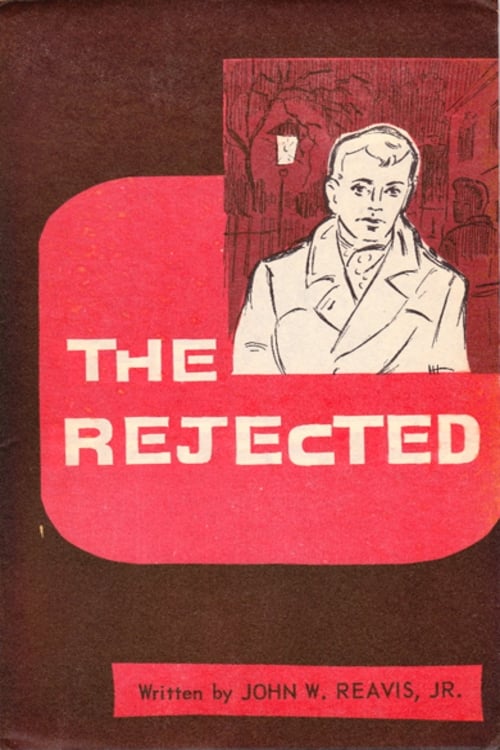
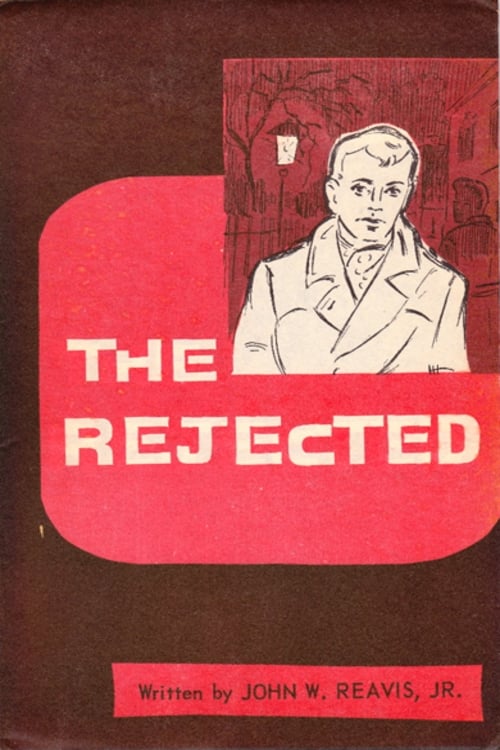
The Rejected is a made-for-television documentary film about homosexuality, the first of its kind to be broadcast on American television. It was first shown on KQED on September 11, 1961, and was later syndicated to National Educational Television (NET) stations across the United States, receiving positive critical reviews.
Top Cast









James Day
James Day
Narrator (voice)
James Day
Narrator (voice)
Margaret Mead
Margaret Mead
Herself
Margaret Mead
Herself
Karl Bowman
Karl Bowman
Himself
Karl Bowman
Himself
Bishop James Pike
Bishop James Pike
Himself
Bishop James Pike
Himself
Rabbi Alvin Fine
Rabbi Alvin Fine
Himself
Rabbi Alvin Fine
Himself
Thomas C. Lynch
Thomas C. Lynch
Himself
Thomas C. Lynch
Himself
J. Albert Hutchinson
J. Albert Hutchinson
Self
J. Albert Hutchinson
Self
Al Bendich
Al Bendich
Himself
Al Bendich
Himself
Morris Lowenthal
Morris Lowenthal
Himself
Morris Lowenthal
Himself
Hal Call
Hal Call
Himself
Hal Call
Himself
Similar Movies
The one-off documentary tells the story of two women travelling by bike across the United States, from Canada to Mexico along the Great Divide. A unique adventure through the most remote areas of the Rocky Mountains, between pristine nature and wild animals. An epic journey that led them to travel 4,000 km and climb 60,000 meters and that, day after day, forced them to face their own limits, their strength and fragilities, and tested their relationship. Because every journey is always a love story.
A chronological look at films by, for, or about gays and lesbians in the United States, from 1947 to 2005, Kenneth Anger's "Fireworks" to "Brokeback Mountain". Talking heads, anchored by critic and scholar B. Ruby Rich, are interspersed with an advancing timeline and with clips from two dozen films. The narrative groups the pictures around various firsts, movements, and triumphs: experimental films, indie films, sex on screen, outlaw culture and bad guys, lesbian lovers, films about AIDS and dying, emergence of romantic comedy, transgender films, films about diversity and various cultures, documentaries and then mainstream Hollywood drama. What might come next?
Loosely based on Charles Dicken’s book “A Tale of Two Cities”, Working Class tells the tale of underground street artists Mike Giant and Mike Maxwell and their decade long friendship that started with a tattoo. The story is told through the cities they call home by, cutting back and forth between the neighborhoods of San Francisco and San Diego, as the artists talk about their life philosophies and the work they create.