

Sye Raa Narasimha Reddy
Drama · History · War
Overview
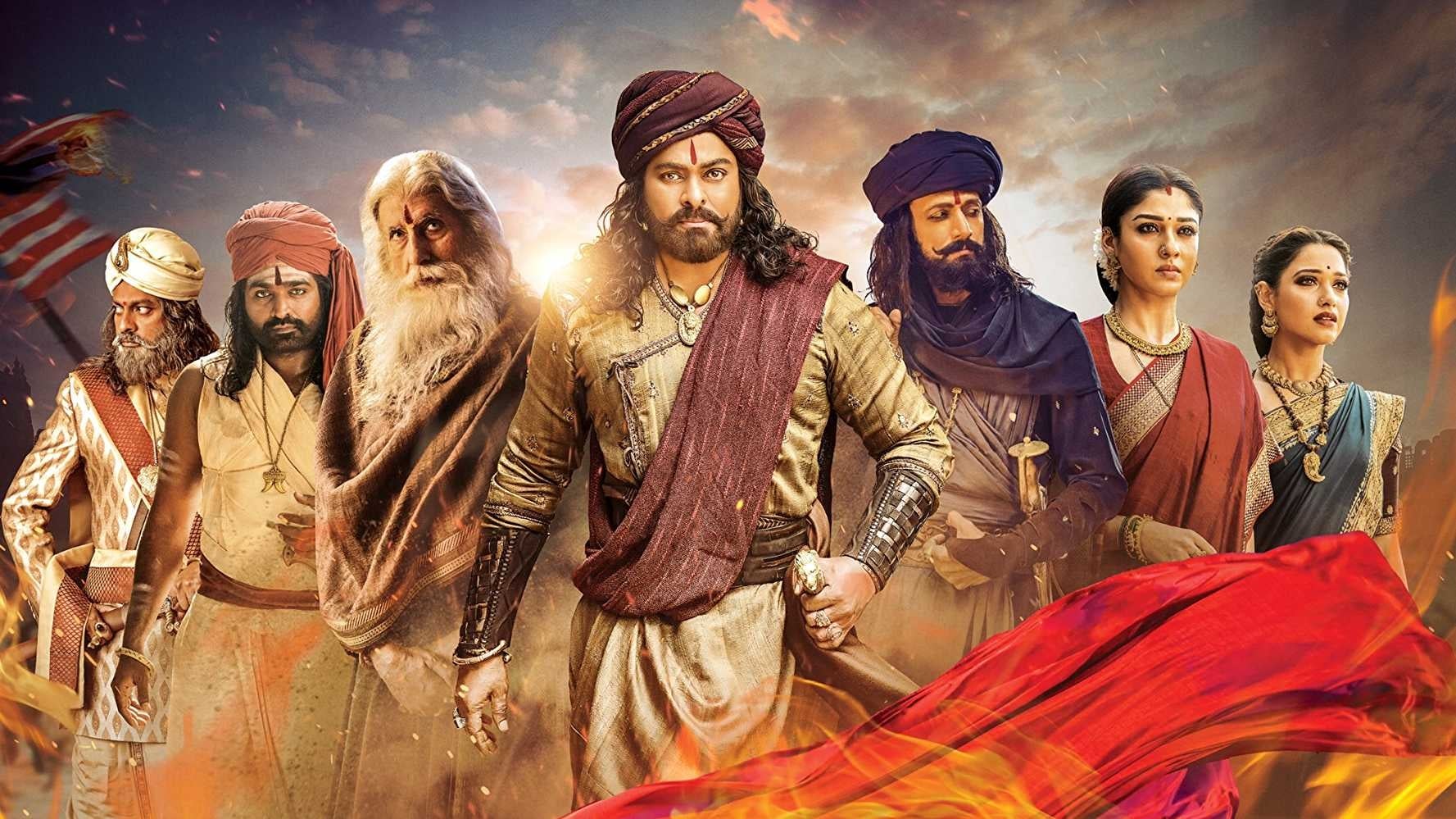
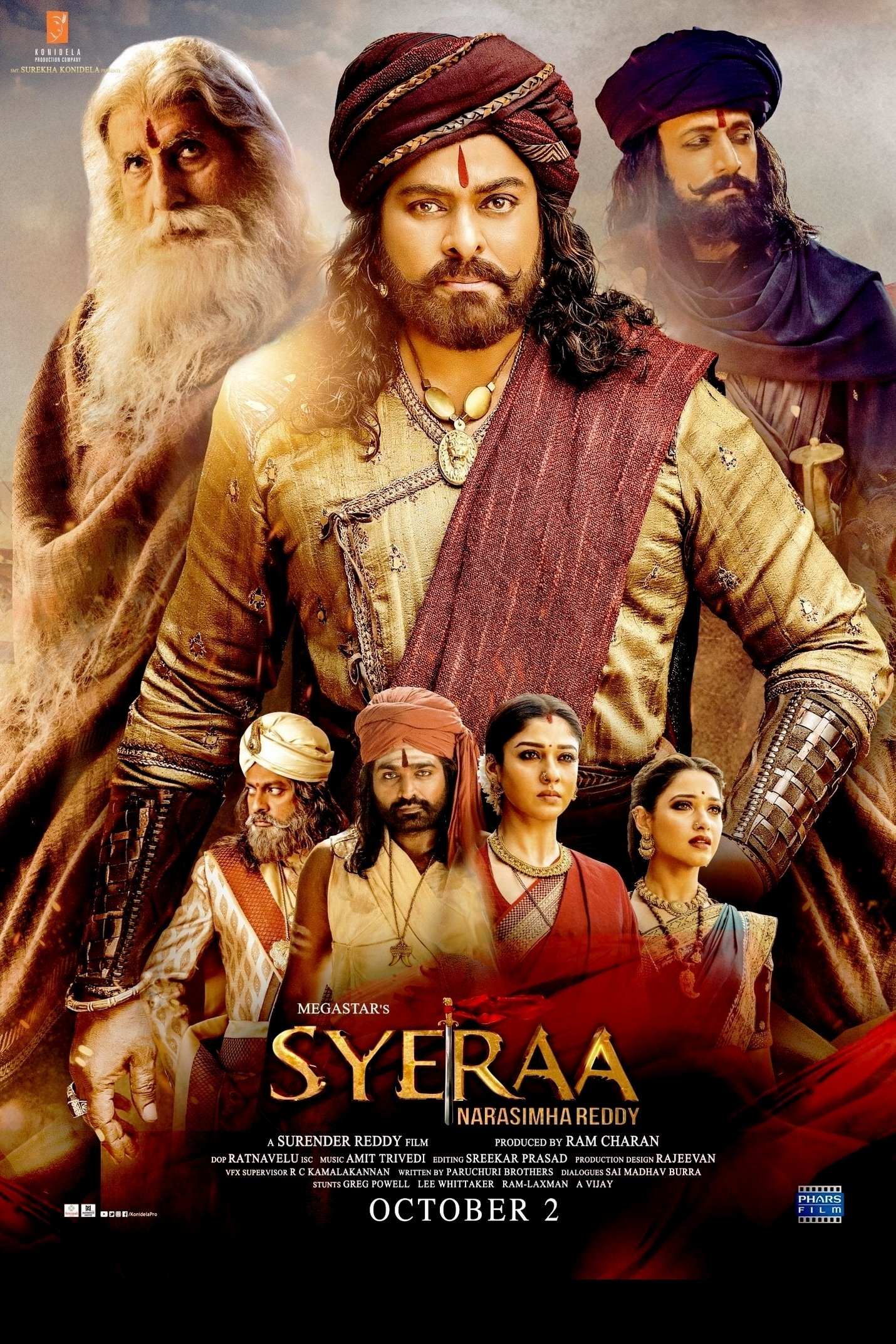
Gwalior Fort, during the Indian Rebellion of 1857. In a moment of despair, Lakshmibai, Rani of Jhansi, encourages her men by telling them the heroic story of Uyyalawada Narasimha Reddy, a brave Telugu chieftain who took up arms in 1846 to protest against the numerous arbitrariness and crimes perpetrated by the leaders and military forces of the East India Company.











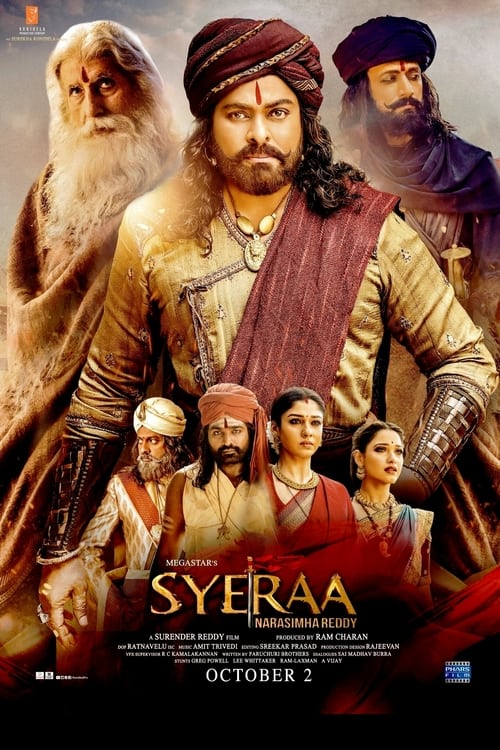

Chiranjeevi
Chiranjeevi
Narasimha Reddy
Chiranjeevi
Narasimha Reddy

Sudeepa
Sudeepa
Avukuraju
Sudeepa
Avukuraju

Vijay Sethupathi
Vijay Sethupathi
Rajapaandi
Vijay Sethupathi
Rajapaandi

Ravi Kishan
Ravi Kishan
Basireddy
Ravi Kishan
Basireddy

Jagapati Babu
Jagapati Babu
Veerareddy
Jagapati Babu
Veerareddy

Nayanthara
Nayanthara
Siddhamma
Nayanthara
Siddhamma

Tamannaah Bhatia
Tamannaah Bhatia
Lakshmi
Tamannaah Bhatia
Lakshmi
Henry Maynard
Henry Maynard
Cochrane
Henry Maynard
Cochrane

Oscar Skagerberg
Oscar Skagerberg
Jackson
Oscar Skagerberg
Jackson
Mark Kitto
Mark Kitto
British Man
Mark Kitto
British Man
Similar Movies

The film narrates a tormented love story between one of the most famous poets of Serbian literature, Laza Kostic, renowned for his sublime poetic puns and word coining and an enchanting young girl by the name of Lenka Dundjerski, an educated and refined daughter of a landowner Lazar Dundjerski. Standing in the way of their love is the insurmountable age gap between the two, as Kostic is 29 years older than his beloved one. The affair inspired one of the most sophisticated and tender love poems of the time, an utmost expression of yearning, in which the poet's unflinching devotion is linked to his admiration for a Venice basilisk by the name of Santa Maria della Salute.
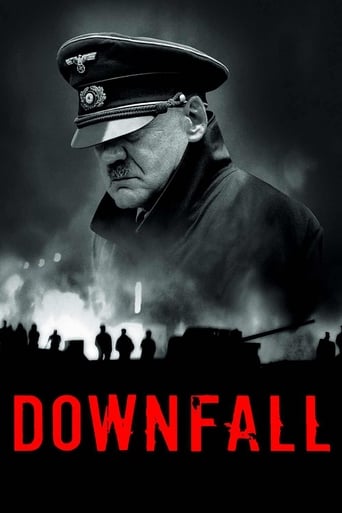
In April of 1945, Germany stands at the brink of defeat with the Russian Army closing in from the east and the Allied Expeditionary Force attacking from the west. In Berlin, capital of the Third Reich, Adolf Hitler proclaims that Germany will still achieve victory and orders his generals and advisers to fight to the last man. When the end finally does come, and Hitler lies dead by his own hand, what is left of his military must find a way to end the killing that is the Battle of Berlin, and lay down their arms in surrender.
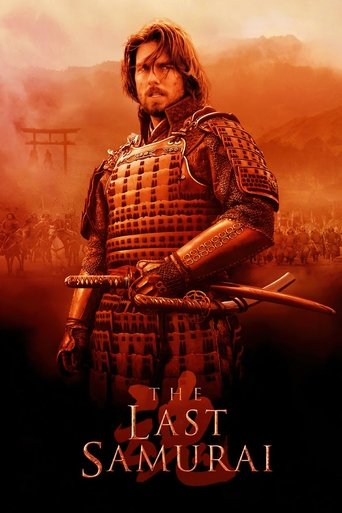
Nathan Algren is an American hired to instruct the Japanese army in the ways of modern warfare, which finds him learning to respect the samurai and the honorable principles that rule them. Pressed to destroy the samurai's way of life in the name of modernization and open trade, Algren decides to become an ultimate warrior himself and to fight for their right to exist.
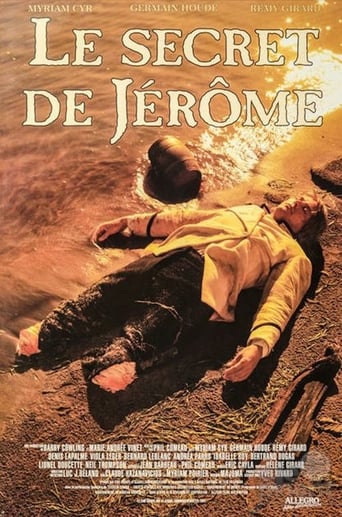
In 1863, when a legless, shipwrecked man washes up on the Acadian coast, he's taken to the home of Jean the Corsican, a burly and bitter former soldier, and his childless young wife, Julitte. The man, who is young, handsome, and well-dressed, remains mute as Julitte nurses him back to health. Jean, meanwhile, who is inexplicably estranged from Julitte and an outsider to townspeople, continues his hunt for pirate treasure, rumored to be hidden in a cave by the sea. The treasure is his ticket out of Acadia. As loneliness and Eros draw Julitte and the mysterious Jérôme together, something's got to give.
A dramatization of a novella by American writer Henry James. This subtle, psychologically profound story is narrated by young literary scholar Henry Jones, who, while searching for documents related to the romantic poet Jeffrey Aspern, finds himself in Venice at the end of the 19th century. Juliana Bordereau, whom Aspern sang about in his work and who owns much of his correspondence, still lives there. However, Juliana refuses to show it to Jones because these letters are the only link connecting her to life. Jones therefore decides to resort to trickery. He moves in with Juliana under a false name as a lodger and, by pretending to be in love, wins over her niece Tina, who is ultimately willing to help him. However, it soon becomes clear that such manipulation of people, even if motivated by a noble goal, does not pay off.