








Danny Wiedemann
Danny Wiedemann
(archive footage)
Danny Wiedemann
(archive footage)

Jenna Wells
Jenna Wells
(archive footage)
Jenna Wells
(archive footage)
Katja Eck
Katja Eck
(archive footage)
Katja Eck
(archive footage)

Tanja Fielmann
Tanja Fielmann
(archive footage)
Tanja Fielmann
(archive footage)
Patricia Pasquale
Patricia Pasquale
(archive footage)
Patricia Pasquale
(archive footage)
Anna Wildbach
Anna Wildbach
(archive footage)
Anna Wildbach
(archive footage)
Similar Movies
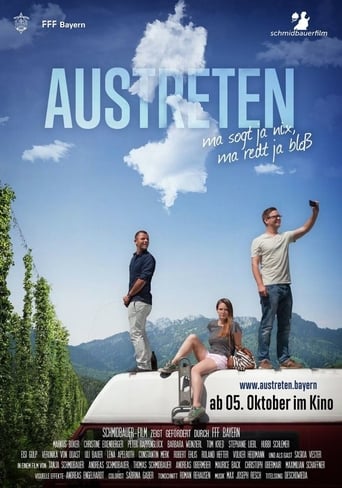
At a press conference, Bavarian Minister President Reitmayer makes an unclear and ill-considered statement about Bavaria's possible withdrawal from the Federal Republic of Germany, sparking a discussion of unimagined proportions in the press and media. The excitement surrounding his words quickly becomes too much for Reitmayer and so he withdraws from the public eye and flees to a remote area in the Bavarian countryside. In doing so, however, he offends his family, to whom he has not revealed his whereabouts: Without further ado, his children Kathi and Martl set off in search of him. In the process, they not only learn a lot about their family, but also about their native Bavaria and its various regions. Meanwhile, the Minister President who has gone into hiding has found happiness, but for better or worse he must return to the public eye in order to calm the still raging debate...
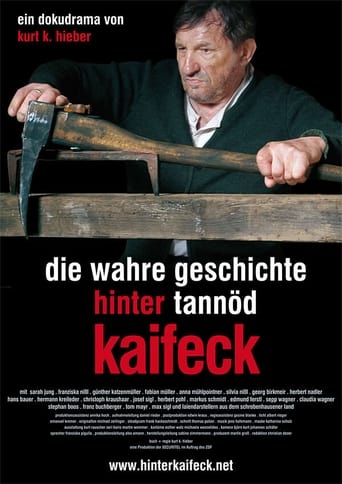
Still today, people say that during the stormy night from March 31st to April 1st, 1922, the devil had come to Hinterkaifeck. On the farmstead near Schrobenhausen, all 6 inhabitants – 4 Adults and two children – are struck down bestially. The police did not manage to seek out the murderer(s). As the case is still unsolved as of today, the story still lives on in the minds of the people. Motion pictures, theatre plays, and the bestselling novel “Tannöd”, behind all of them stands Hinterkaifeck. Aspiring police investigators and a self-declared “Internet – special commission ‘Hinterkaifeck’” have now once again taken up the trail of the case. This exciting search for traces is followed by the film, and its findings are recreated in elaborate play scenes. Thereby, a picture of an era thought to be bygone and an idea of what really happened back then comes into existence. More precise than any fiction, the docudrama manages to get closer to the truth.
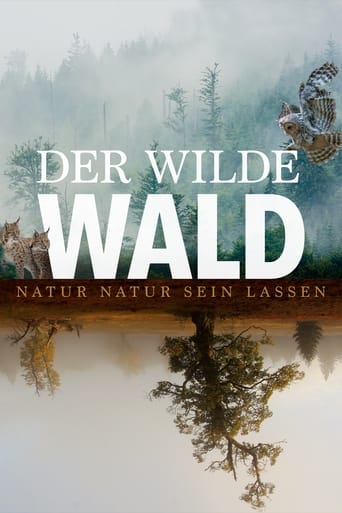
“Let nature be nature” is the philosophy of the Bavarian Forest National Park. Despite massive resistance, this vision has become a groundbreaking showcase project. Because humans do not interfere with nature, the former commercial forests grow into a primeval forest, a unique ecosystem and a refuge for biodiversity. People from all over the world come here. They are looking for answers to the question of why we need more wild nature and what we can learn from it to preserve forests for future generations in times of climate change.
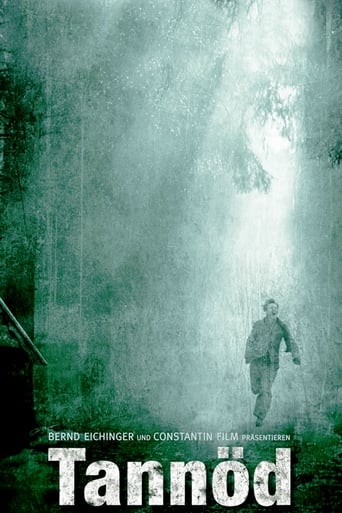
Bavaria, Germany, 1950s. The sudden return of the young Kathrin to the small village where she was born stirs up the feelings of guilt and personal ghosts of its inhabitants, haunted by dark memories related to a multiple murder that happened two years earlier at the Tannöd farm, a hideous crime that remains unsolved.
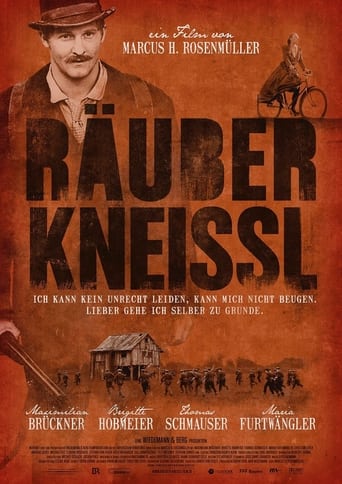
Even today, Mathias Kneißl (1875-1902) is considered a national hero in the collective memory of Bavaria. During his lifetime, he was the most wanted criminal in Bavaria and even Prince Regent Luitpold was reported daily on the hunt for the lawbreaker report. Again and again Kneißl's story has occupied the Bavarian artists: his life was retold in folk songs and murders, sung in ballads, filmed and treated in various plays. In his feature film version, the Bavarian filmmaker Marcus H. Rosenmüller relies on a rapid staging, opulent images and a moving love story.
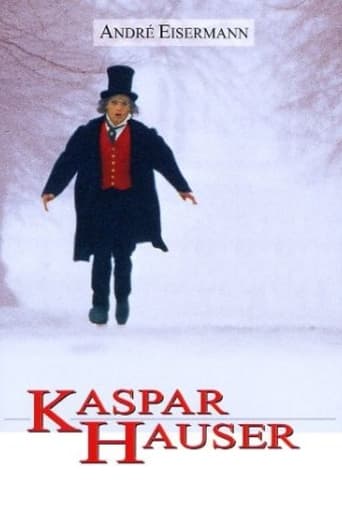
In May 1828, a feral boy aged around 16 was found in Nuremberg. Kaspar Hauser, as he is called, can only speak a few indistinct words and knows nothing about his origins or family. The film depicts the - presumed - circumstances under which Hauser was held captive in complete isolation in a hiding place from infancy onwards. From this emerges the picture of an intrigue involving high circles of aristocratic society. Five years after his liberation, in December 1833, Kaspar Hauser died as a result of a stab wound inflicted by an unknown perpetrator.