

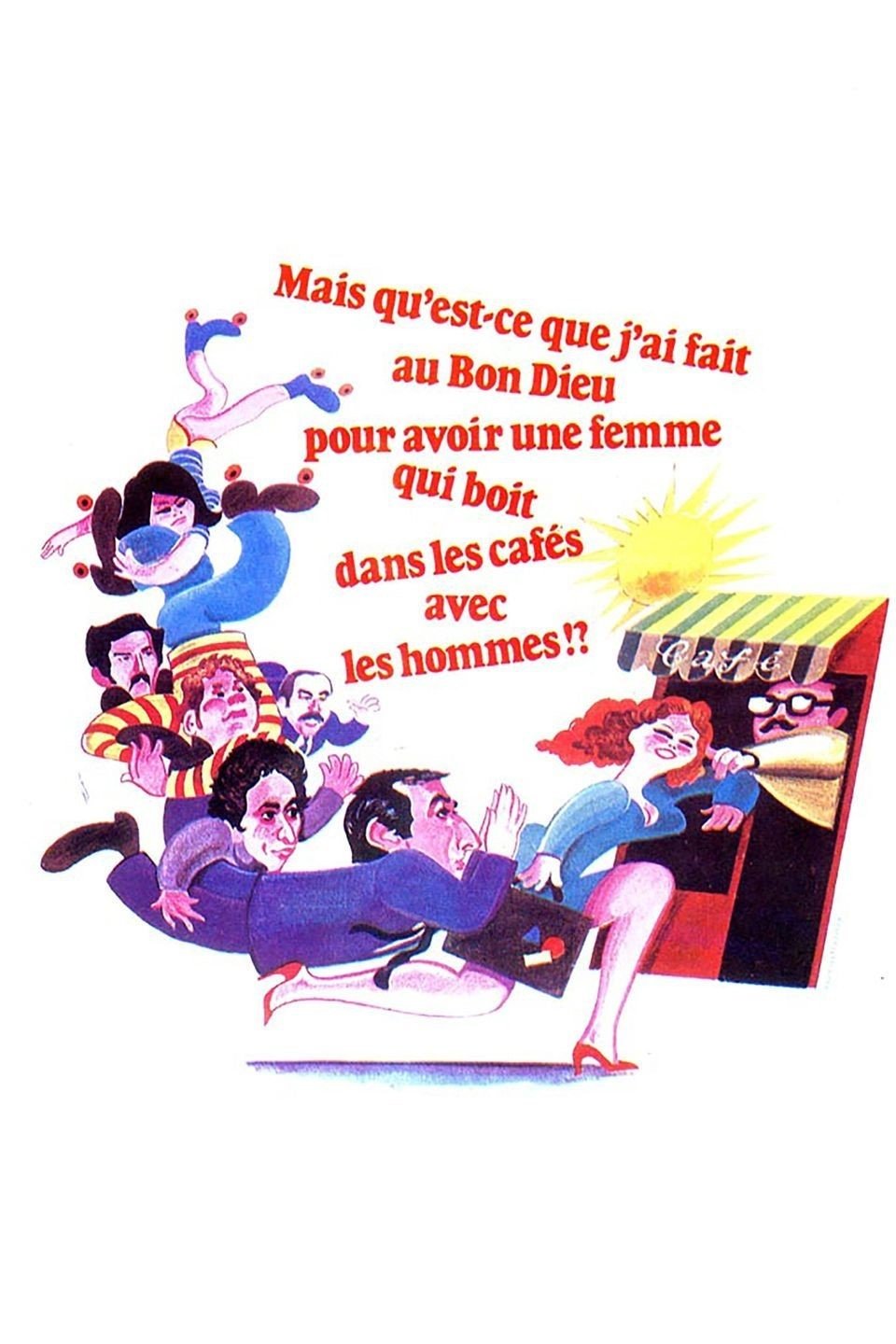
What Did I Ever Do to the Good Lord to Deserve a Wife Who Drinks in Cafes with Men?
Comedy
Overview
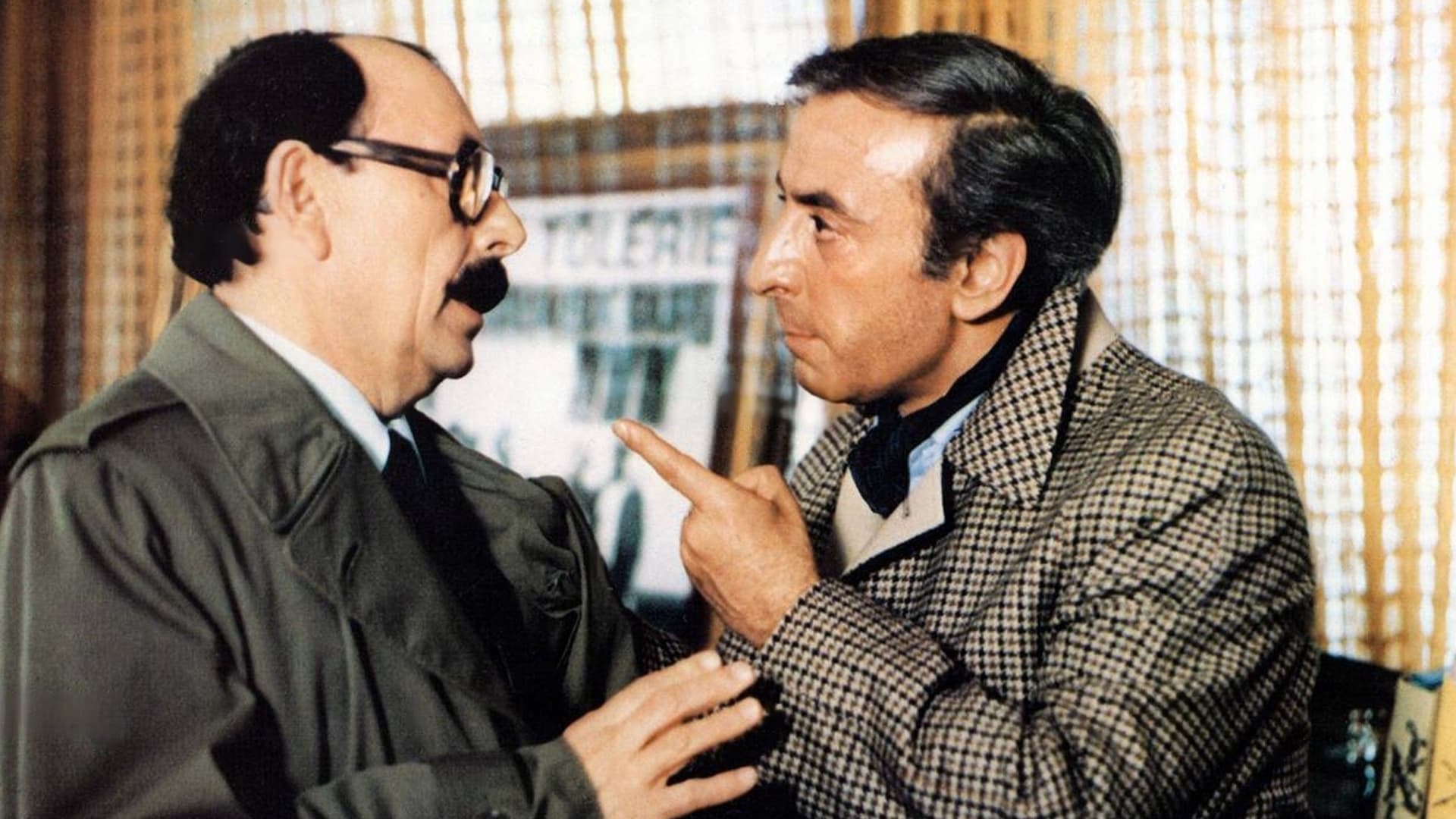
Gaby is happy. After eighteen years of work, he is a flourishing mechanist. But one day, the mechanic of his life is out of order. He discovers that his assistant is in love with his wife. This one runs away with her daughter in law. So, Gaby's friends imagine a gambit to find them, at the moment where father and son enjoy pleasures of single life.







Robert Castel
Robert Castel
Gabriel Crémieux
Robert Castel
Gabriel Crémieux
Antoinette Moya
Antoinette Moya
Odette Crémieux
Antoinette Moya
Odette Crémieux
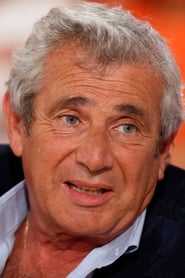
Michel Boujenah
Michel Boujenah
Robert Crémieux
Michel Boujenah
Robert Crémieux

Lorraine Bracco
Lorraine Bracco
Barbara
Lorraine Bracco
Barbara
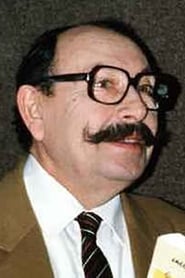
Jacques Legras
Jacques Legras
Maurice Vasselin, l'agent du fisc
Jacques Legras
Maurice Vasselin, l'agent du fisc

Claude Melki
Claude Melki
Vincent Adorno
Claude Melki
Vincent Adorno

Isabelle Mergault
Isabelle Mergault
La serveuse
Isabelle Mergault
La serveuse
Similar Movies
As usual, Slim goes to the Point Ephémère bar in Paris to have a last drink. As is often the case, he finds Lily there, an eccentric and intriguing character, then Seiko, whom he knew as a child soldier, once in Sierra Leone. While he listens to Lily tell him a few stories, Slim watches the Seiko ride, tracked and soon arrested by two plainclothes police officers.
The arrival in France of the first generation of Algerian immigrants. In the early sixties, Kader, soon joined by his wife Myriam, tries to build a new life on French soil. Like many other couples, they soon find themselves torn between the dream of returning to their homeland and that of prospering in a land that is not always welcoming.
"I often say sociology is a martial art, a means of self-defence. Basically, you use it to defend yourself, without having the right to use it for unfair attacks." (Pierre Bourdieu) The world has witnesses who speak out loud what others keep to themselves. They are neither gurus, nor masters, but those who consider that the city and the world can be thought out. The sociologist, Pierre Bourdieu is one such witness." Over a three- year period, Pierre Carles' camera followed him through different situations: a short conversation with Günter Grass, a lively conference with the inhabitants of a working-class suburb, his relations with his students and colleagues and his plea that sociology be part of the life of the city. His thinking has a sort of familiarity, which means it is always within our reach. It is the thinking of a French intellectual who has chosen to think his times.
"L'Argot Sous Un Garrot" is the first documentary dedicated to the work of rapper Booba. How is this major artist considered by society? Writers, journalists, linguists and students decipher the hidden face of the greatest French popular artist. Titled after a line dropped almost twenty years ago on the song Repose En Paix, the documentary aims to revisit, not Booba's life, but something rarer, his music as such.
Long live the strike! Lucie Baud, one of the pioneers of the women's movement, went with creativity, fighting spirit and the power of singing against the weapons of male-dominated capitalist society in nineteenth-century France. The film, based on true events, describes the ambitious fight of a silk moth. She stood up for the rights of the female working class to end maltreatment and oppression once and for all. For the revolution in women's rights, she even put her family back and fought to the end for their beliefs.
A construction worker on a construction site in the Paris suburbs, Mehdi takes the bus to return home after work. Wishing to get off while the vehicle is stationary in a traffic jam, the driver refuses: while restarting, the bus hits the car in front of it. The bus driver attacks Mehdi whom he holds responsible for the incident, claiming that it is forbidden to “talk to the stagehand”. Mehdi is implicated in court and his lawyer tries to draw attention to the living conditions of immigrant workers.
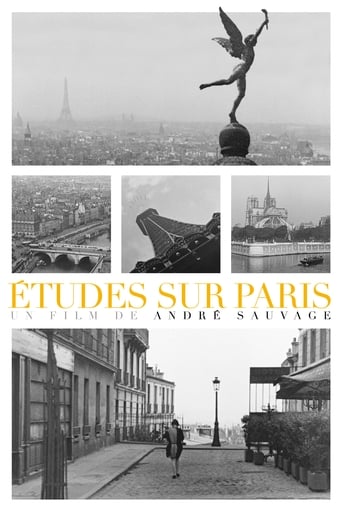
"Paris, Paris, you know, I would eat it..." wrote André Sauvage. An artist close to the avant-gardes, André Sauvage composed the first great filmed portrait of Paris. Its ambitious symphony of a big city marries, on the music composed by Jeff Mills, the changing rhythm of the Belle Époque. Contemporary of the dizzying explorations of Dziga Vertov and Walter Ruttmann, Sauvage is less fascinated by speed than by the repertoire of urban mobility, attentive to the neighborhoods he crosses, always curious about their furtive inhabitants. He draws a portrait of Paris in five studies: Paris-Port, North-South, the islands of Paris, the Little Belt and from the Saint-Jacques tower to the Sainte-Geneviève mountain.