

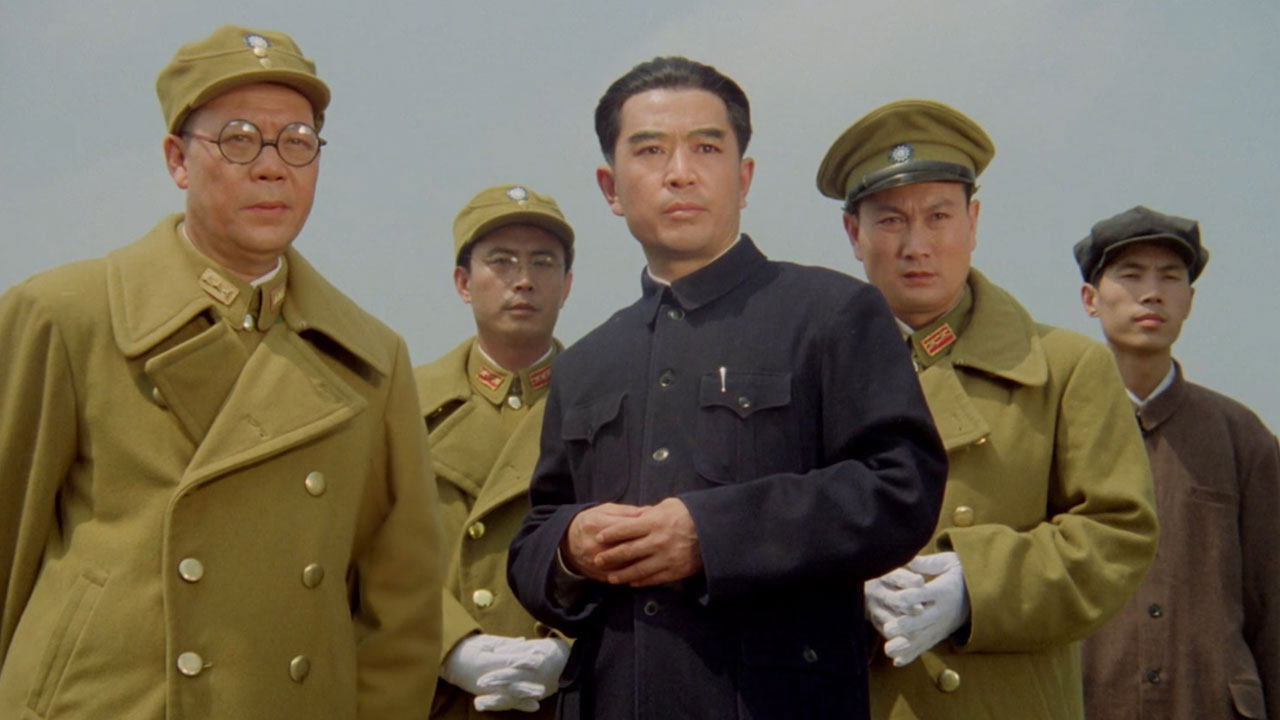

The Xi'an Incident
Drama · History
Overview
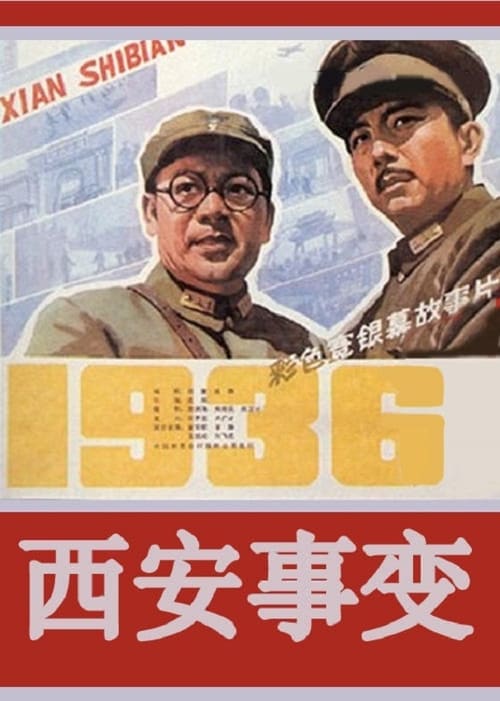
Marshal Zhang Xueliang, Commander of the North Eastern Army, grows progressively disillusioned by Kuomintang leader Chiang Kai-shek's policy to engage the Chinese Communist Party rather than fight the Japanese invaders which are occupying Manchuria. Despite numerous pleas, Chiang does not budge. After discussing with fellow general Yang Hucheng, the two take events into their own hands and place Chiang Kai-shek under arrest on December 12, 1936, forcing Chiang into a coalition with the CCP.

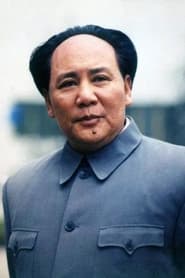
Gu Yue
Gu Yue
Mao Zedong
Gu Yue
Mao Zedong

Guo Weilin
Guo Weilin
Zhao Di
Guo Weilin
Zhao Di
Ange Jin
Ange Jin
Zhang Xueliang
Ange Jin
Zhang Xueliang

Fu Lu
Fu Lu
Peng Dehuai
Fu Lu
Peng Dehuai
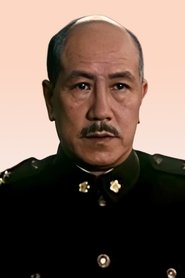
Sun Feihu
Sun Feihu
Jiang Jieshi
Sun Feihu
Jiang Jieshi
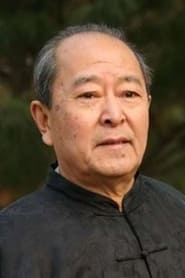
Wang Tiecheng
Wang Tiecheng
Zhou Enlai
Wang Tiecheng
Zhou Enlai

Xiu Zongdi
Xiu Zongdi
Xiu Zongdi
Zhang Fei
Zhang Fei
Li Kenong
Zhang Fei
Li Kenong

Zhi Yitong
Zhi Yitong
Du Zhongyuan
Zhi Yitong
Du Zhongyuan
Zhu Kexin
Zhu Kexin
宋美龄
Zhu Kexin
宋美龄
Similar Movies
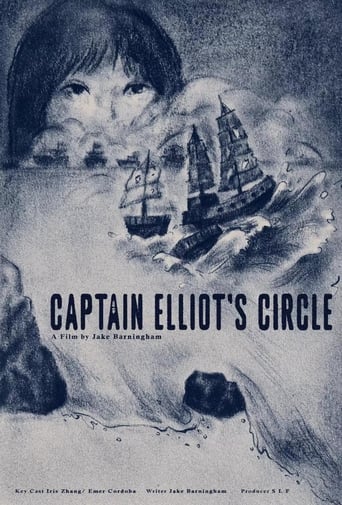
Equal parts documentary, essay, and narrative,"Captain Elliot's Circle" is mostly a poetic interaction with an obscure corner of Chinese and British history. Constructed using primary source documents about the taking of Zhoushan, Britain's first choice for a seaport, in the late 1830s,this movie uses Captain Charles Elliot's reluctance to brutalize the Chinese to reflect on the cyclical nature of history and the power structures that move it. The long takes used throughout function to illustrate the dramatically different ways in which people who lived in the mid-19th century perceived time. Additionally, it represents the psychological effect of living on an island regardless of what era you were born in.The last third of the movie focuses on a young woman whose strange day job has taken her far away from the island of Zhoushan generations after Captain Charles Elliot was last there. "Captain Elliot's Circle" was shot on location in Zhoushan and Hangzhou.
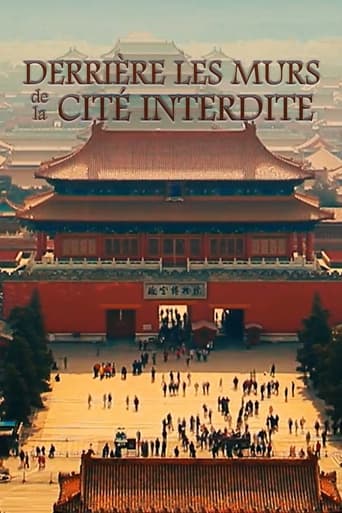
Secluded from view by nine-meter-high walls and composed of 980 buildings, the Forbidden City in Beijing is the largest imperial palace ever built in the world. Three majestic structures form its center and host the city's ceremonies, each of which is considered an architectural masterpiece. In 1406, construction of the Forbidden City was launched at the initiative of one of China's most powerful sovereigns and founder of the Ming dynasty: Yongle. Endowed with divine power, the construction has already resisted more than 200 earthquakes.

It's the most extraordinary feat of engineering in history, and one of the most iconic man-made structures on the planet - the Great Wall of China, stretching thousands of miles across barren deserts and treacherous mountains before finally plunging into the sea. But why did the Chinese go to such staggering lengths to build it, and what are the secrets that have enabled it to survive for over 2,000 years? Now, ground breaking science is re-writing its complex history and de-coding its mysteries to reveal that there is much more to the Great Wall than just bricks and mortar. Cutting edge chemistry reveals that the secret to the Great Wall's remarkable strength is a simple ingredient found in every kitchen, and a new survey also determines that its length is truly amazing, as we finally solve the enigma at the heart of the world's greatest mega-structure.
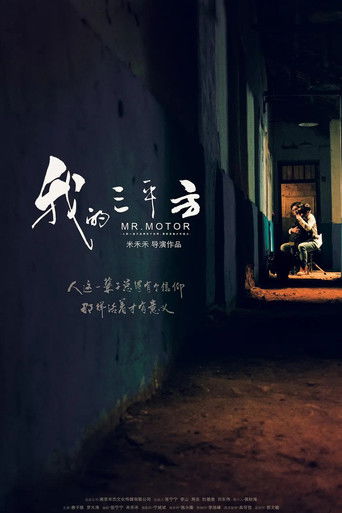
Ma Da, who dreams of standing on the podium, became a teacher of Shancun Primary School. While getting along with the villagers, he learned about the profound history of the mountain village, and was deeply moved by the heroic stories that happened in this land. Together with the children here, he wrote a pure nursery rhyme.
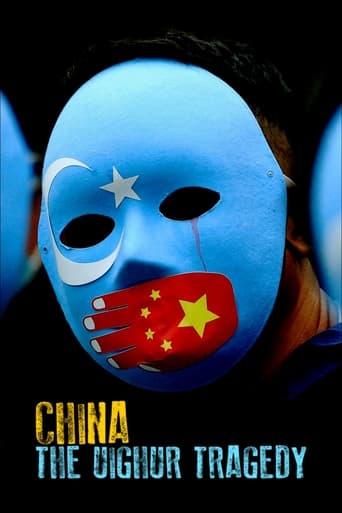
A relentless chronicle of the tragedy of the Uighurs, an ethnic minority of some eleven million people who live in the Xinjiang region of northwest China, speak a Turkic language and practice the Muslim religion. The Uighurs suffer brutal cultural and political oppression by Xin Jinping's tyrannical government: torture, disappearances, forced labor, re-education of children and adults, mass sterilizations, extensive surveillance and destruction of historical heritage.