


Carbide and Sorrel
Comedy
Overview
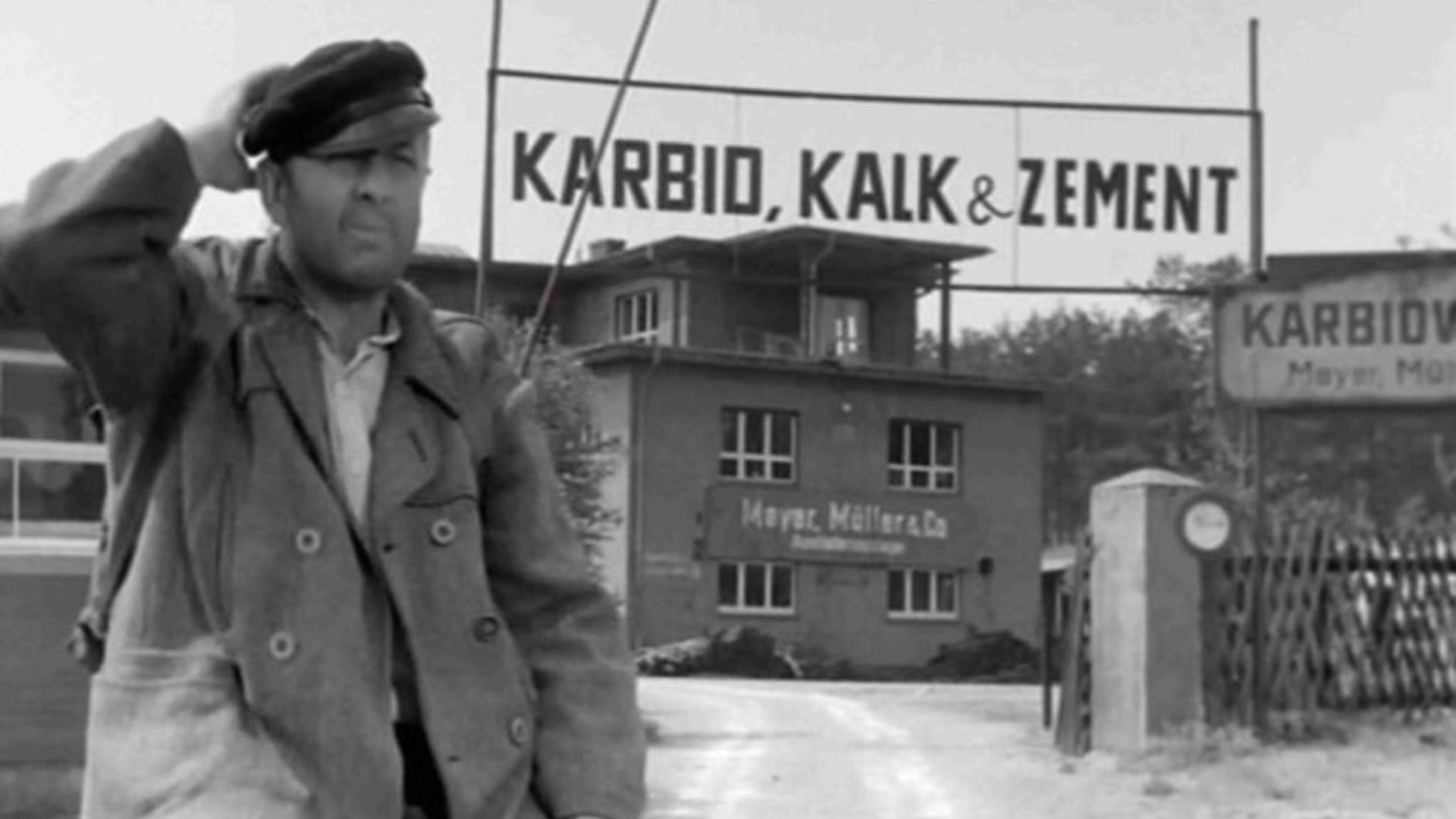
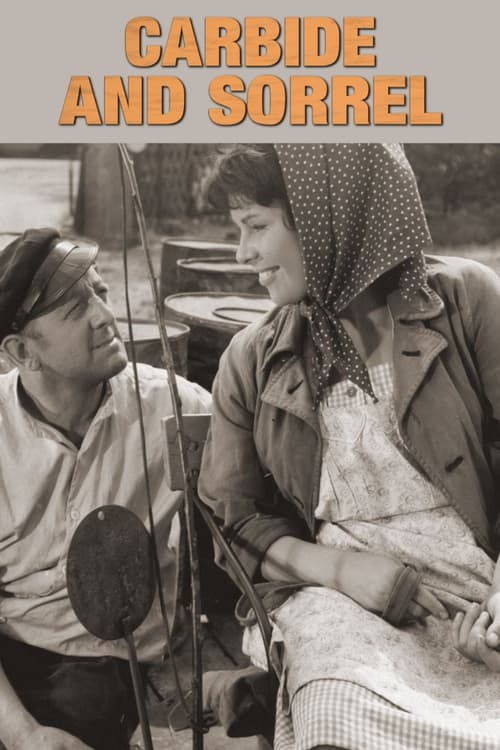
After the second World War, Dresden has a lot of reconstructing to do. To get the cigarette factory he once worked for running again, Kalle has to travel to Wittenberg - the only place where carbide can be found. Once there, Kalle find himself in the unfortunate situation of having to hitchhike his way back to Dresden, transporting seven heavy barrels of carbide. However, his inventiveness and optimistic attitude help transform the grueling task into an adventurous, entertaining, and funny journey.


Erwin Geschonneck
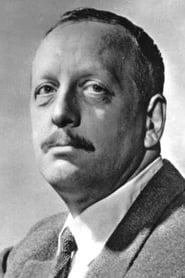
Erwin Geschonneck
Kalle
Erwin Geschonneck
Kalle

Marita Böhme
Marita Böhme
Karla
Marita Böhme
Karla

Manja Behrens
Manja Behrens
Clara
Manja Behrens
Clara

Margot Busse
Margot Busse
Karin
Margot Busse
Karin
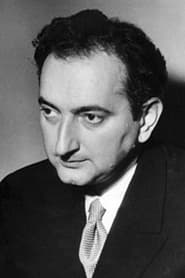
Rudolf Asmus
Rudolf Asmus
Sänger
Rudolf Asmus
Sänger

Hans-Dieter Schlegel
Hans-Dieter Schlegel
US-Offizier
Hans-Dieter Schlegel
US-Offizier
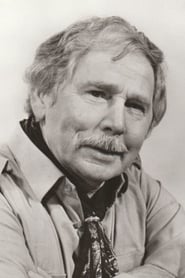
Fred Delmare
Fred Delmare
Kutscher
Fred Delmare
Kutscher

Bruno Carstens
Bruno Carstens
Polizeikommissar
Bruno Carstens
Polizeikommissar
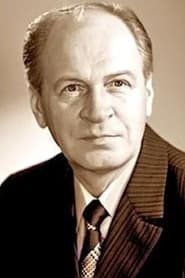
Aleksei Presnetsov
Aleksei Presnetsov
Sowjetischer Kommandant
Aleksei Presnetsov
Sowjetischer Kommandant

Kurt Rackelmann
Kurt Rackelmann
Riese
Kurt Rackelmann
Riese
Similar Movies
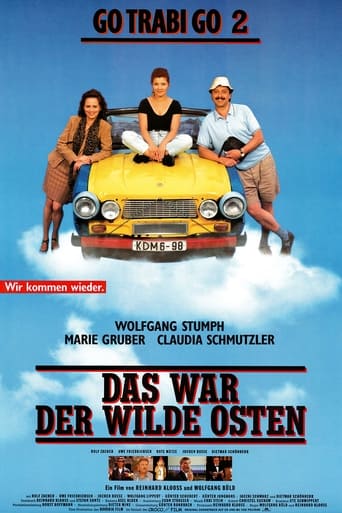
Elated by the Italian attitude to life, family Struutz returns to Bitterfeld and experiences a shock: In the turmoil of the reunification her house must give way to a golf course. Hope Udo teacher, his wife Rita and daughter Jacqueline through the surprising inheritance of a factory near Dresden. But of market economy, the staid Saxons unfortunately have no idea. Help comes in the guise of adventurer and condoms dealer Charlie, who works as a "business consultant" and gives Udo a Rock & Roll crash course in capitalism - with unsurpassed success.
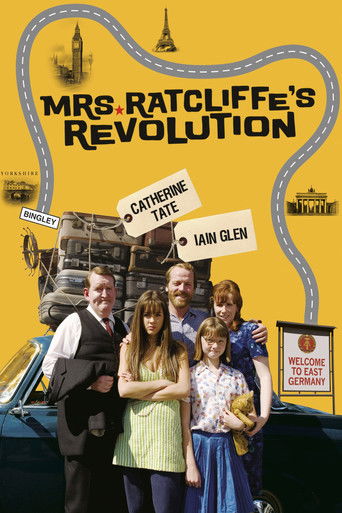
Based on a true story, Mrs. Ratcliffe's Revolution is the tale of a family from Bingley in Yorkshire, who defect to East Germany. Here they find a nightmare of rationing, censorship and the most spied upon people in history rather than the Marxist utopia they were expecting. But if they thought getting in was difficult wait until they try to get out.

Christian is a presenter at a small radio station. His wife Katrin directs traffic in a car park. Both are friends with Uwe, who runs a fast food kiosk, and Ellen, who works in a perfume shop. Their four lives are stuck in a rut. Until the day Chris and Ellen sleep together and upset the balance of the two couples...

Eva Jensen is a female carpenter form Hamburg who wants to make a new start on the Baltic Sea coast in eastern Germany. She tries to buy a workshop with a view of the sea offered for sale by Heide, who rents out beach chairs. Unfortunately, Heide’s ex-husband vetoes the sale. In trying to understand his reasons, Eva comes across a painful family secret from the days of the GDR. And in other respects too, the newcomer from the West faces prejudice in the village, although her skills are urgently needed. Fish-seller Christian is also interested in the workshop, which Eva just sees as fair competition. Then they discover a common passion, kite-surfing, and unexpectedly grow closer.

East Germany before reunification: Wolfgang Schulz watches Western television and discovers his long-lost twin brother Walter on the show "Aktuelles Sportstudio." They quickly get in touch, and the two decide to switch roles for a few days. Since both work in advertising, they think it will be a temporary bit of fun. But everyday life turns out to be different. Shortly afterwards, the Berlin Wall falls and the brothers found a company together. Now their different mentalities really come to the fore, and "Schulz & Schulz" have to realize that even in the general spirit of optimism, it is not so easy to run a company together. It doesn't take long before the two find themselves in the red.
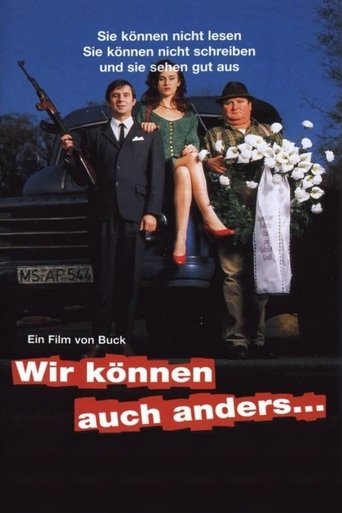
The brothers Kipp and Most set off to inherit their grandmother's estate. Along the way, they meet Viktor, a deserted Russian soldier who kidnaps them, and Nadine, who joins them voluntarily. On their way to their inheritance, the protagonists get into some seemingly hopeless situations.
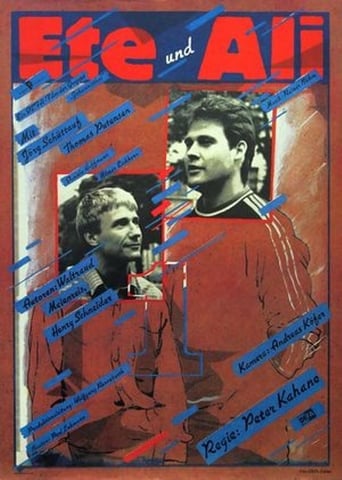
Ete and Ali are discharged from the army. Since Ete knows that his wife is having an affair, he doesn't want to go home. Ali tries to persuade his friend to stand up for himself and to kick the other man out. But since Ete obviously lacks courage, Ali himself goes into action and gets rid of the rival lover. At first, Mary and Ete seem to reconcile, but repairing their marriage won't work.

In the summer of 1985, an American movie also ignites young people in the GDR: "Beatstreet" ensures full cinemas and subsequently a new phenomenon in the streets - breakdancing! The 18-year-old Frank is electrified and founds the "Break Beaters" with like-minded friends in Dessau. The troupe dances on the streets and soon forms the spearhead of the breakdance movement in the GDR. But sooner than they would have liked, the street dancers came to the attention of the state. And they like to keep control over the leisure activities of their youth. Because what the GDR cannot ban, it tries to control - ergo the project must become socialist! So breakdancing becomes "acrobatic show dancing" and the "Break Beaters" are built up as a showcase troupe, sent around the country and soon celebrated like rock stars. But fame comes at a price and Frank slowly realizes that the price is pretty high.
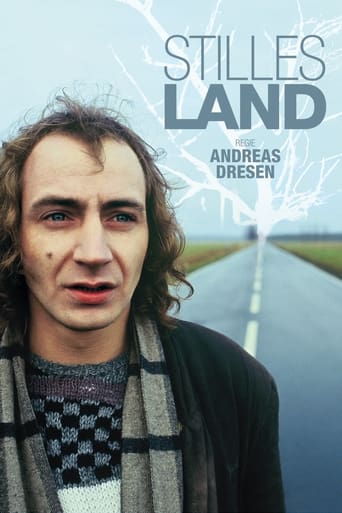
A young, naive and enthusiastic theater director named Kai comes to a grim provincial town to put on Beckett's Waiting for Godot. Although the lethargic theater company shows no interest in the play, his spirit remains undaunted.Meanwhile, it is fall 1989. The world is changing and somewhere, far away in the capital, a revolution is taking place and it seems that wishes might come true. Great hopes emerge in the little town and unexpected events overtake Kai's mutating production.