

Guides&Cie
Documentary
Overview
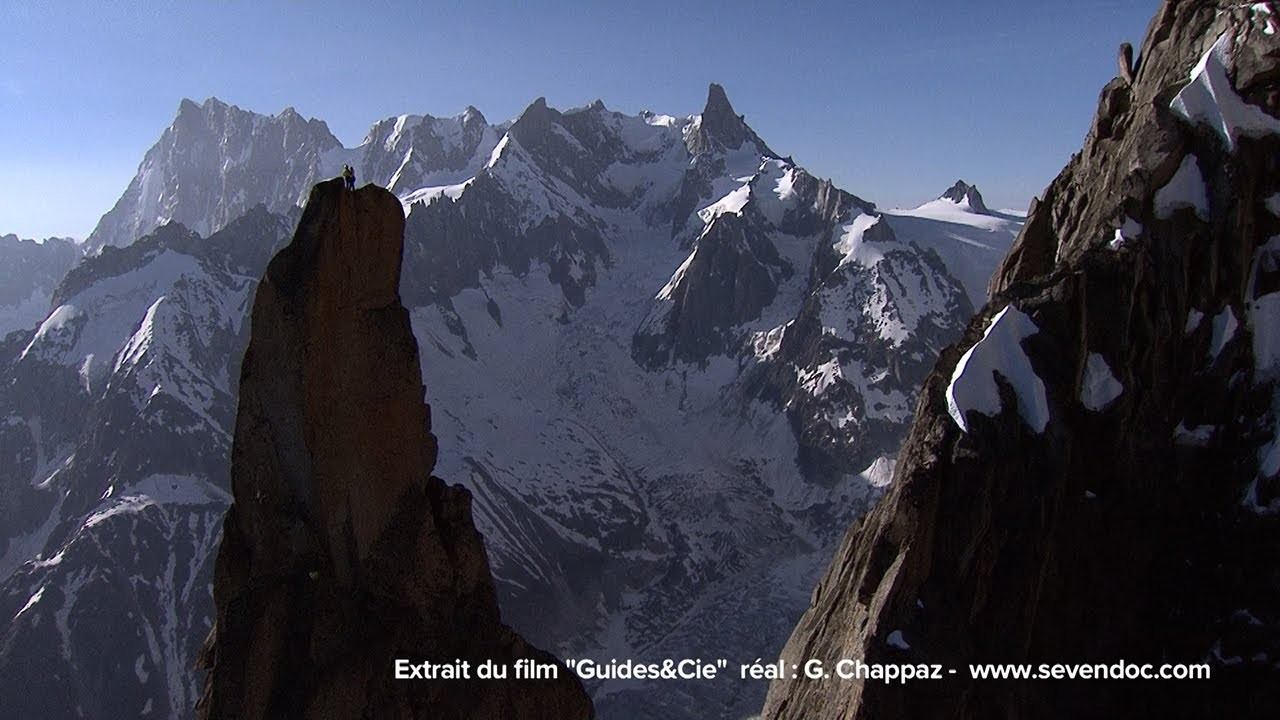
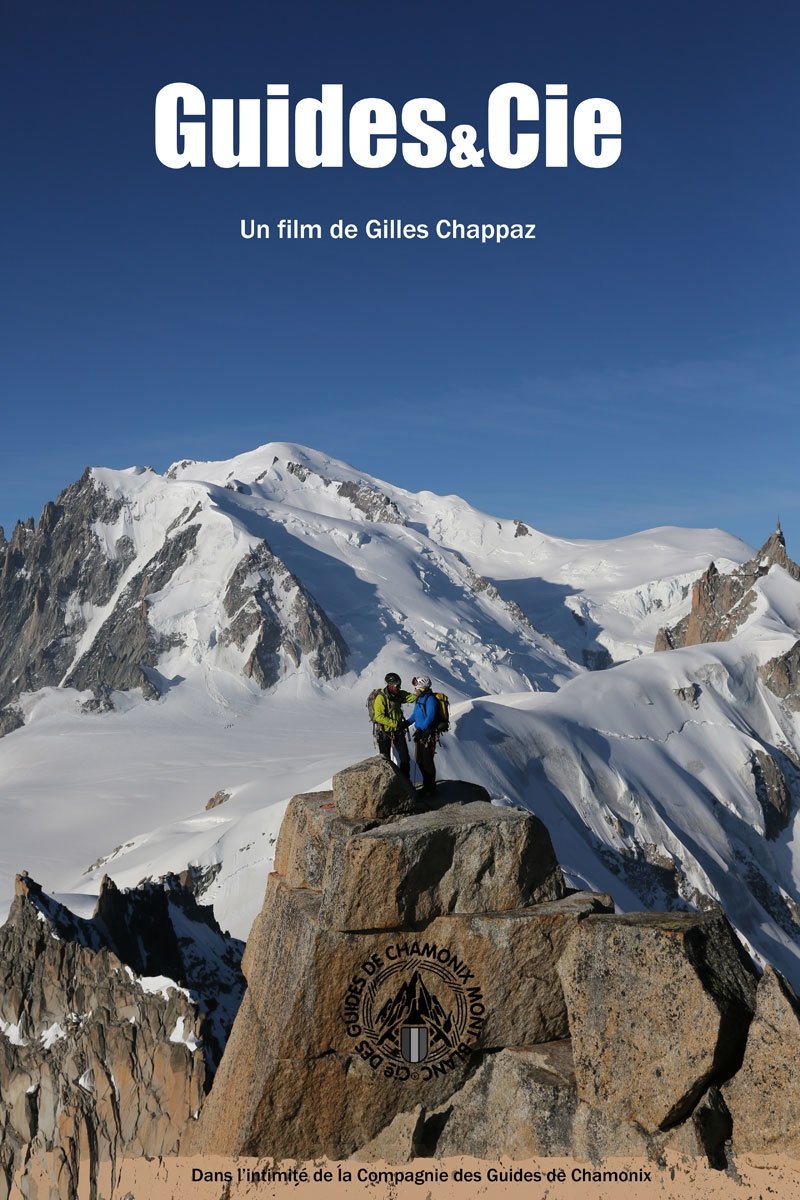
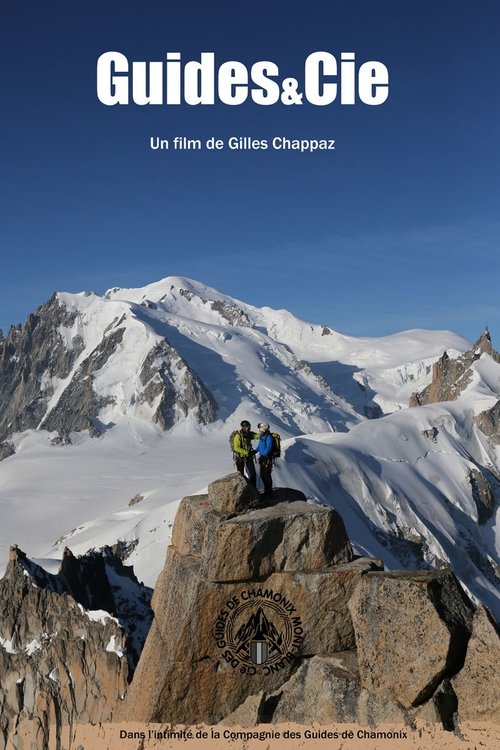
Established in 1821, the Compagnie des Guides de Chamonix is the first and largest guides' company in the world. Wiser for its historical organisation, this diverse community of self-employed professionals operates according to two rock-solid pillars: an in-turn work distribution and an emergency fund to support guides injured from work. Who are these women and men who have sworn allegiance to their passion for the mountains? How do they cope with the hazards that are inherent to their occupation? In other words, what does "being a guide" mean in 21st century, and what makes it so remarkable? Thanks to its numerous moving accounts, this films draws a warm portrait of the guides and takes the audience deep into a very unordinary group of professionals. Undoubtedly a sensitive documentary served with stunning images!




No cast information.
Similar Movies
On 15 May, 2006, double amputee Mark Inglis reached the summit of Mt Everest. It was a remarkable achievement and Inglis was feted by press and public alike. But only a few days later he was plunged into a storm of controversy when it was learned that he had passed an incapacitated climber, Englishman David Sharp, leaving him to a lonely end high in the Death Zone.
The dramatic story of the British expedition that made the first ascent of Everest. Combining interviews with the surviving members of the 1953 British and 1952 Swiss attempt on Everest with rare archival material, this film tells the story of the race to climb Everest in the early 1950s and its climax in 1953.
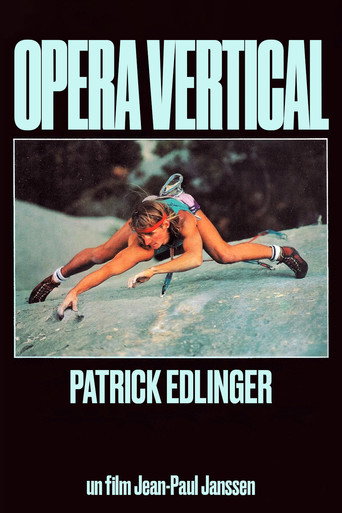
Vertical Opera is a documentary film directed by Jean-Paul Janssen, with climbers Patrick Edlinger and Jean-Paul Lemercier in the Gorges du Verdon. The film opens with a training sequence of Patrick Edlinger then he links the routes with Jean-Paul Lemercier "L'Ange en décongelation" (7a), in which he falls voluntarily to demonstrate the usefulness of the rope, then "Le Septième Saut" (7b+). Finally, the final scene, an anthology, consists of a close-up of Edlinger who climbs free solo and barefoot the route "Débiloff", still in the Verdon, above hundreds of meters of void, all to lyrical music. It is "Wie Furchtsam Wankten Meine Schritte", the aria for alto voice from Johann Sebastian Bach's cantata BWV 33, music not unrelated to the subject of the documentary: "How faltering and fearful my steps were".
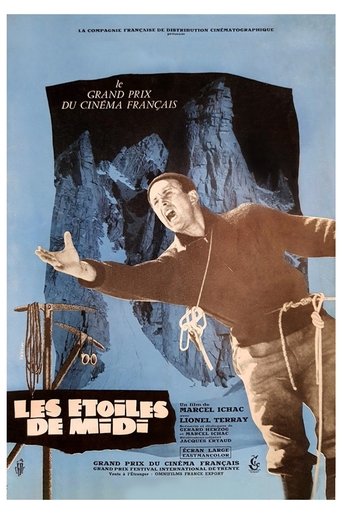
Les Etoiles de Midi is an engaging docudrama about some of the more spectacular exploits of French mountain climbers over the last several decades. In one re-enacted story, there is a wartime escape through the mountains, and in another, a daring rescue of a pair of climbers who had been missing. The actors themselves are adept at the sport of climbing, and they give the scenes an immediacy and real daring that brings the stories alive. A combination of their acrobatics and skill and the outstanding episodes in the history of French climbing creates a winning 78 minutes.
The mountain reveals honesty to oneself like nothing else. Dopamine, inner peace, or simply being unreachable are all understandable reasons why someone seeks the summit. With personal stories and individual connections to the mountains, "Sariri" brings together five protagonists from Switzerland, Austria, Bolivia, and Peru. Descending steep walls on skis in the Andes at over 6,000 meters pushes the group to their limits. With a first descent of the 6074-meter high "Chachacomani" in Bolivia, the mountaineers consciously take certain risks. The invisible power of altitude presents a significant obstacle to overcome. The film explores the question of why mountains play such an important role in some lives and why these cloud-catchers made of stone, snow, and ice are the closest place to heaven. The willingness to undertake long journeys and the mountain itself are what shapes "Sariri."
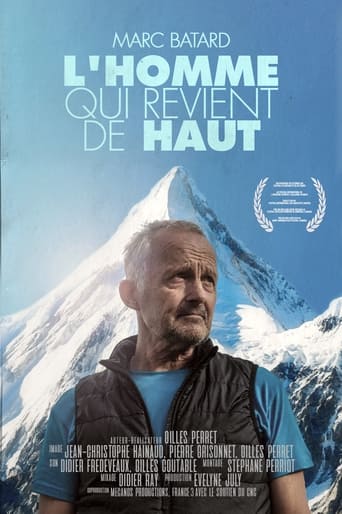
What compels a man to push the limits of what is attainable ever higher? After thirty years of relentless struggle with the highest peaks on earth, Marc Batard has finally found the answers to these questions. He had to reach the summit of Everest twice, once shattering the record for fastest time in 24 hours without oxygen, and climb the most difficult faces of the Alps to glimpse the path to inner healing. It was through physical suffering that he was able to confront the pain of his soul. He was finally able to talk about the violence of his childhood, the shock he carried like a ball and chain for decades. Having completed his summit therapy, Marc Batard tells his story in this documentary by Gilles Perret.