

Karjalaisen kulttuurin säilyminen
Documentary
Overview
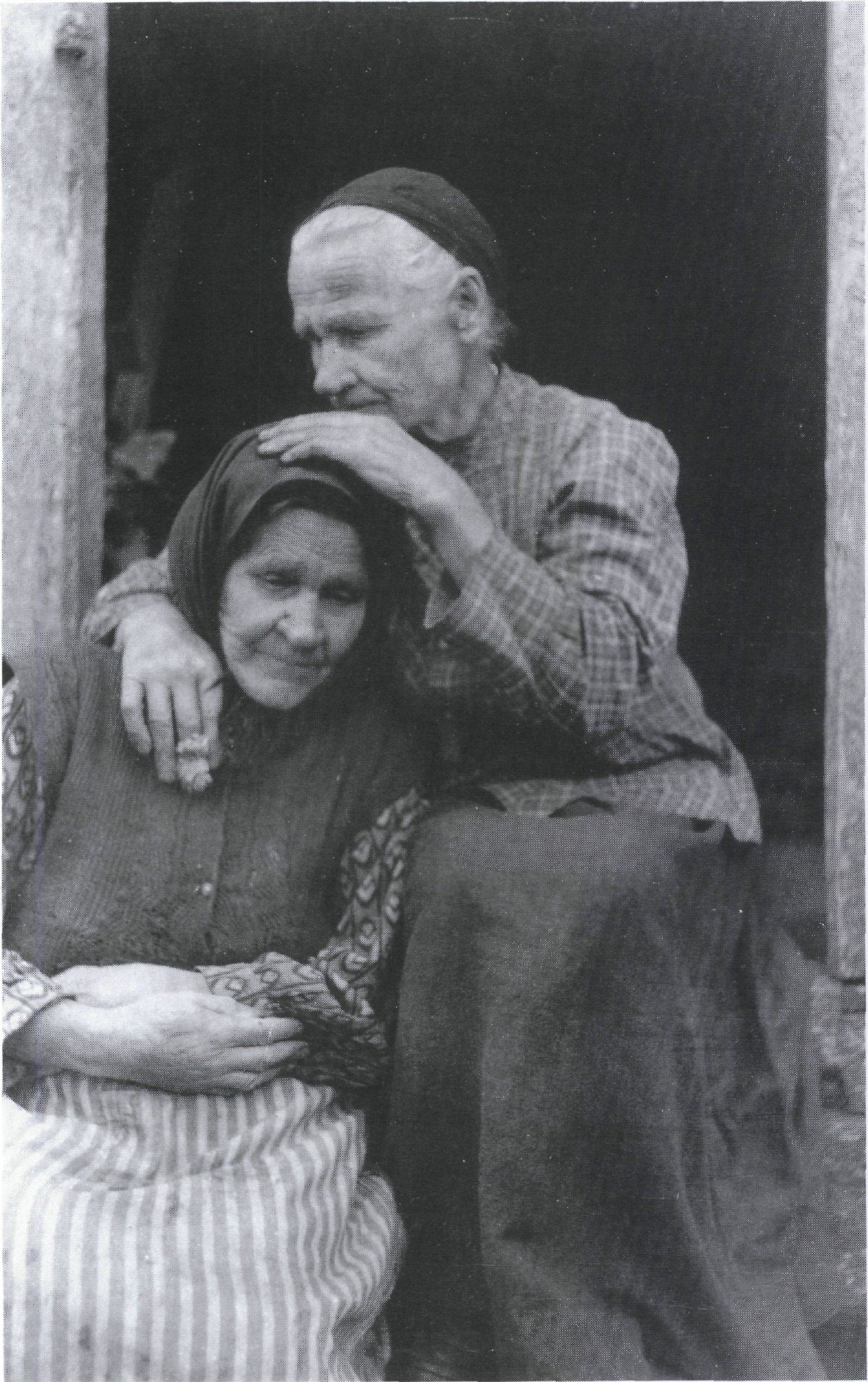
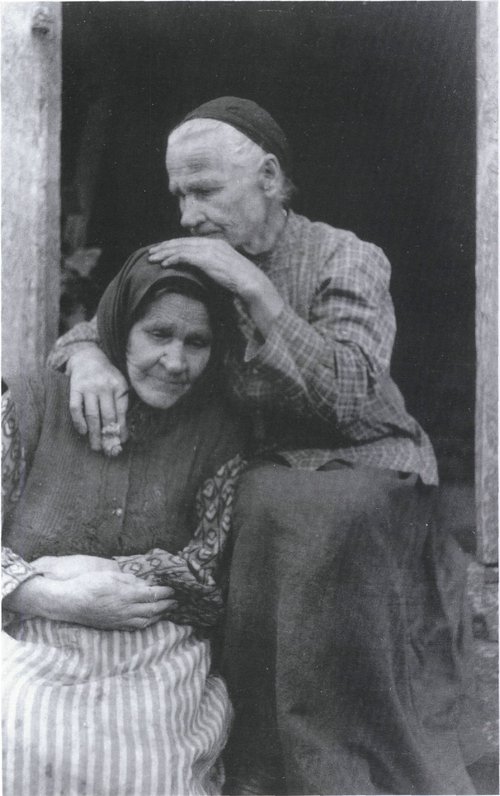
The preservation of the Karelian culture. About how the evacuated Finnish Karels have acclimatized themselves to the indigenous people and how the Karelian culture has been preserved during the ages of change. Reportage and interviews with ordinary people and experts made during the summer of 1968. Faces of the Finnish Karelian people. Images of faces that reproduce the culture and the history of the territory.











No cast information.
Similar Movies

Anni, a daughter of a wealthy family and used to secure life, falls in love with Veikko, a war invalid of the Continuation War. Anni leaves her past behind her and starts leading the life of a pioneer, in the wild forests of northern Karelia, in a settlement farm. After a rosy start, the fate crushes Anni’s dreams and her love for Veikko is put to a test.

Returning to the house where his family was brutally murdered during the war, "the man who refuses to die" dismantles it, loads it on a truck, and is determined to rebuild it somewhere safe in their honor. When the commander who killed his family comes back hellbent on finishing the job, a relentless, eye-popping cross-country chase ensues.
Late 40’s after the war. Strange languaged and religioned immigrants fleeing from Karelia region are hated by Finns in the countryside. 19-year old Anni is living her life wanting to forget the war and hostility surrounding her. Falling in love with a man who hasn’t left fighting, threatens Anni’s whole family’s future and hope for mutual forgiveness..

Miila has found out that her grandmother Marja was born in Karelia. The subject has a close community on social media in Finland, which Miila wants to be a part of, so she decides to shoot a social media videos about Karelianness and her grandmother. The plan fails, and Miila doesn't get the visibility she craves. Instead, she learns what Karelianness is really about in their family.

The true history of Japanese Unit 731, from its beginnings in the 1930s to its demise in 1945, and the subsequent trials in Khabarovsk, USSR, of many of the Japanese doctors from Unit 731. The facts are told, and previously unknown evidence is revealed by an eyewitness to these events, former doctor and military translator, Anatoly Protasov.