

Rudolf Steiner Waldorf Education: An Introduction
Documentary
Overview
This short film introduces some of the fundamentals of Waldorf education. Originally produced for the Steiner Schools Fellowship.


No cast information.
Similar Movies
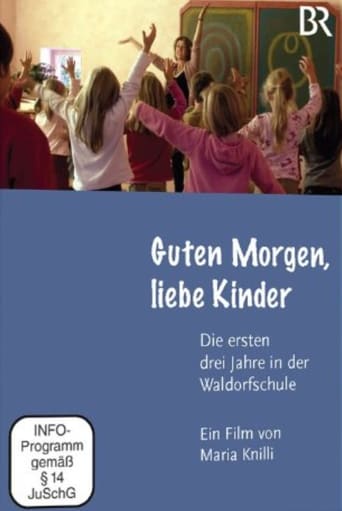
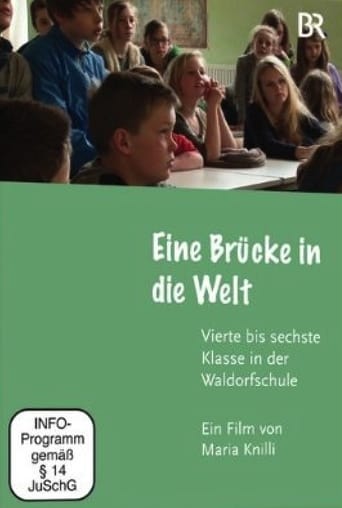
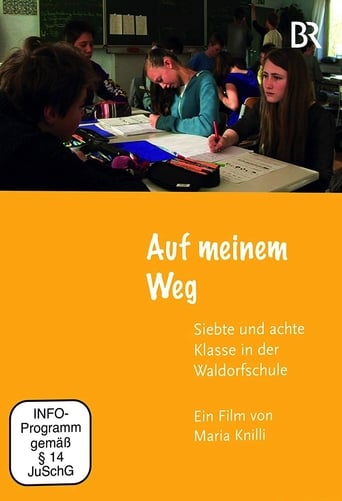
Writing, reading, arithmetic. Building a house, ploughing a field. English, French. Filmmaker Maria Knilli shoots inconspicuously among the children. The small and large learning steps become visible, the relationships between each other and the atmosphere in which learning takes place: the tender seriousness, the intimate curiosity, the communal enthusiasm.
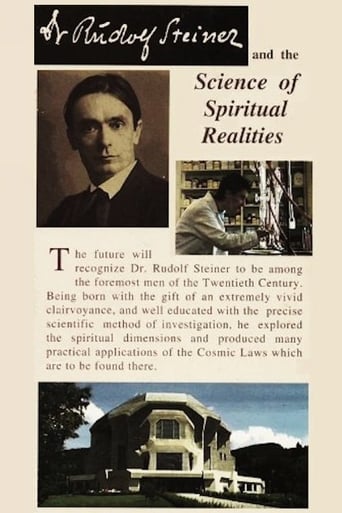
This television documentary takes us on a fascinating journey into the realms just beyond our five senses, where thoughts are things and creation begins. Rudolf Steiner not only found how to experience these areas directly, in a very safe and methodical manner, but he also developed specific techniques which, if utilized in the right way and with the proper intention, enable the individual to have insight into the spiritual realities. In addition to learning of this extraordinary individuality, we meet some of the men and women who are utilizing the impulses brought by Dr. Steiner to expand and enhance their specific vocations in very practical ways, e.g. education, agriculture, medicine, astronomy, mathematics, architecture, the arts, and working with retarded children and adults.

In 1923, Rudolf Steiner, an Austrian scientist, philosopher & social innovator, predicted that in 80 to 100 years honeybees would collapse. Now, beekeepers around the United States and around the world are reporting an incredible loss of honeybees, a phenomenon deemed "Colony Collapse Disorder." This "pandemic" is indicated by bees disappearing in mass numbers from their hives with no clear single explanation. The queen is there, honey is there, but the bees are gone. For the first time, in an alarming inquiry into the insights behind Steiner's prediction QUEEN OF THE SUN: What Are the Bees Telling Us? investigates the long-term causes behind the dire global bee crisis through the eyes of biodynamic beekeepers, commercial beekeepers, scientists and philosophers.
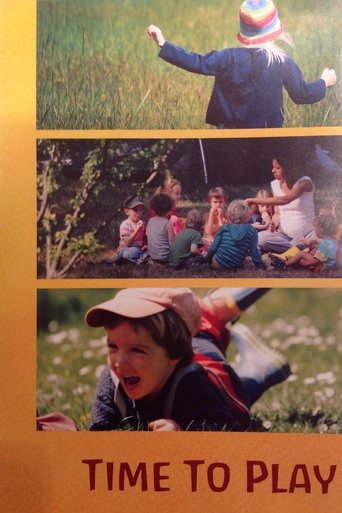
The concern that we are not allowing the proper time and space for early childhood is what has stimulated the move to make this film with the idea of generating conversation among adults about what we can do to support our little ones in this ever busier, more auto- mated, less loving, and often harsh world that they have come into. l hope this glimpse into our class can fulfill its purpose and stimulate the conversations we need to have in order to create a new paradigm in the way we under- stand early childhood: the significance of family and home, of rhythm and routine, invoking wonderful rela- tionships with each other and the earth, the impor- tance of time and space for deep, meaningful play... My concern in a nut shell, is for the future of humanity.