

Psaní do nebe
Overview
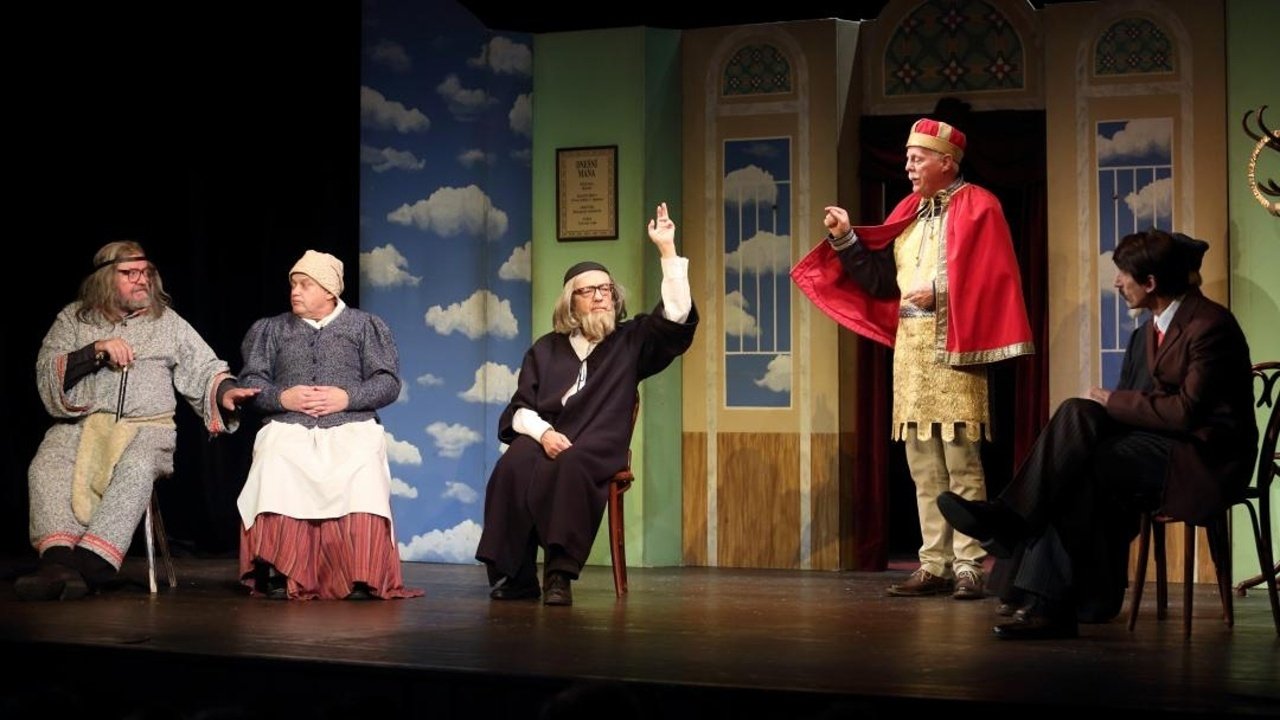
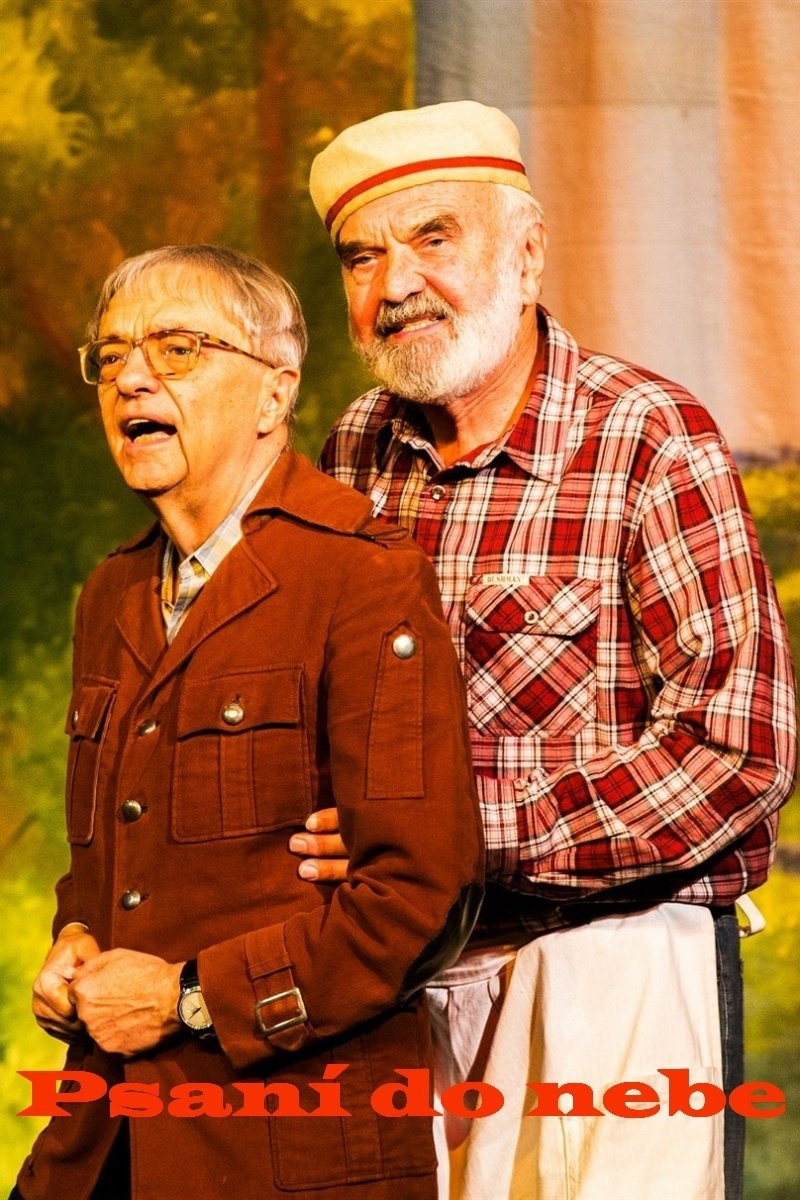
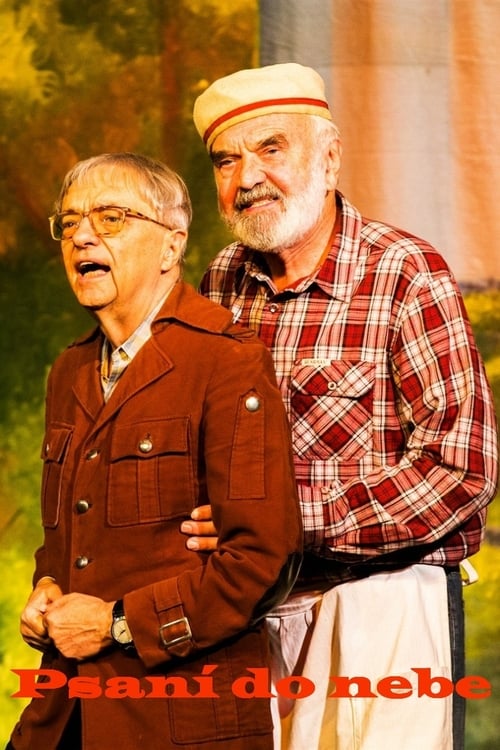
The Jára Cimrman Theater staged its first premiere exactly 50 years ago, on October 4, 1967. Its members celebrated the half-century anniversary with a special program that included scenes from plays by the trio of authors Cimrman, Smoljak, and Svěrák, which have since become cult classics. Psaní do nebe (Writing to Heaven) is a letter written by Zdeněk Svěrák to his long-time friend and colleague Ladislav Smoljak in connection with the 50th anniversary of the Jára Cimrman Theater. It became the backbone of the entire gala evening at the Žižkov Theater. The performance also included excerpts from productions and a number of other items.



Zdeněk Svěrák
Zdeněk Svěrák
Zdeněk Svěrák

Miloň Čepelka
Miloň Čepelka
Miloň Čepelka
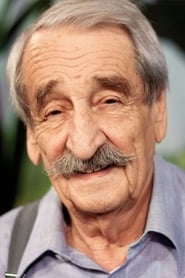
Jaroslav Weigel
Jaroslav Weigel
Jaroslav Weigel
Bořivoj Penc
Bořivoj Penc
Bořivoj Penc
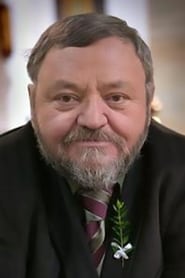
Jan Hraběta
Jan Hraběta
Jan Hraběta
Similar Movies
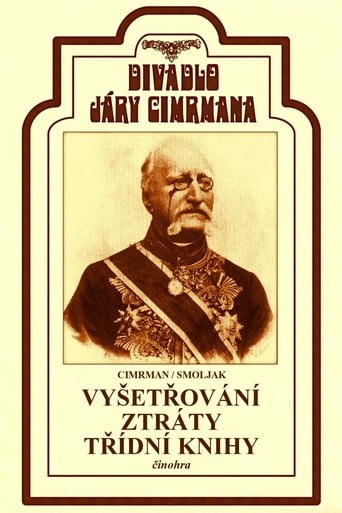
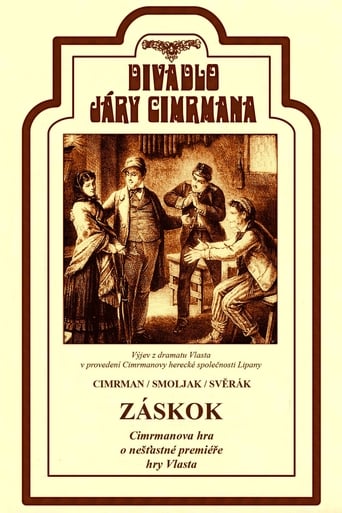
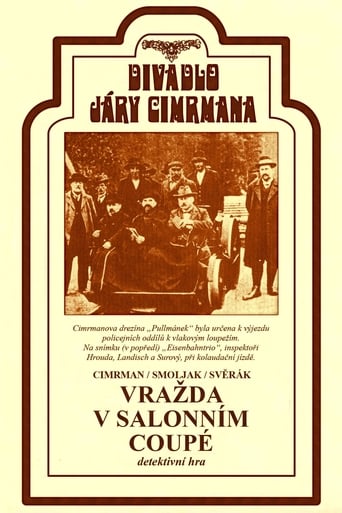
The impetus for writing the play was a real event - the investigation of the loss of the class register at a boys' school in Vienna's 4th district. The perpetrator was most likely a student named F. Kirchner. Cimrman was a police inspector in Vienna's 4th district at the time, and the school principal turned to him when all educational measures had failed. Six police officers followed the suspect for three days, but to no avail. Cimrman therefore decided to influence Kirchner in a different way: he wrote a play about the theft, which was staged by the police department's drama club as a compulsory school performance. The author expected that seeing the suffering of the teacher, principal, and inspector during their futile investigation would lead the culprit to regret his actions and confess. However, the stubborn boy, the son of a nun, was not moved.
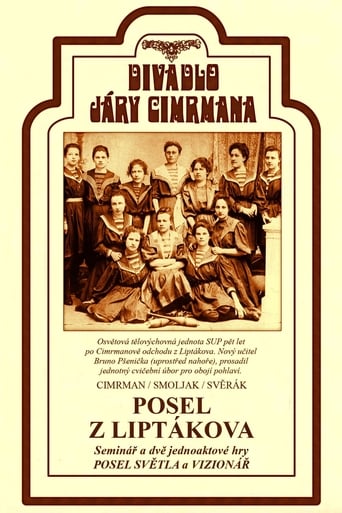
Two passenger cars went to the team in Prague Cimrmanologists Liptáková in Jizera mountains to explore the rugged region Cimrman age. Already the journey itself was an adventure, but the result was worth it. The restaurant at the Orphans restored mural researchers Cimrman handwritten inscriptions in the old hoe handle up his anti-Habsburg discovered pamphlet "Its not hide the truth."
The result of a clash between two intellectual forces: the artist's irrepressible creative instinct and the equally irrepressible instinct of the small Czech self-sufficient farmer. While on the one hand we see an admirable effort to understand and portray the world and get to the essence of human behavior, on the other hand we encounter only a mundane effort to dry a few mushrooms for the winter. In the case of this play, Josef Padevět's small, bitter world unfortunately prevails.
On the occasion of the opening of the famous Vienna "Riesenrad," a competition was held for the best operetta. A Czech, Jára Cimrman, also submitted his entry, a sweeping seven-hour work entitled "Proso." Due to what was perhaps his only negative trait, a slight stinginess, he did not send the score by registered mail, which allowed Franz Lehár, Johann Strauss, Oskar Nedbal, and other members of the jury to literally tear apart the brilliant operetta fresco. After many decades, a team of Czech Cimrmanologists has proven that the author of the world-famous melodies from Die Fledermaus, Polská krev, and many other operettas is the forgotten Pojizeřan Cimrman.
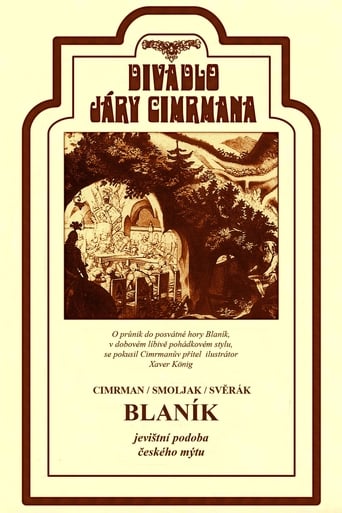
Cimrman sees the reason for the popularity of the Blanik legend in Bohemia mainly in the geographical location of our homeland. In agreement with Palacký, he was aware that "we are here in Europe like a grain between two millstones. From the west, German imperialism presses upon us, and from the east, the expansionism of the Great Russian colossus crushes us. It is no wonder that a small nation under such pressure seeks supernatural and even miraculous protection, for only a miracle can enable it to survive here."
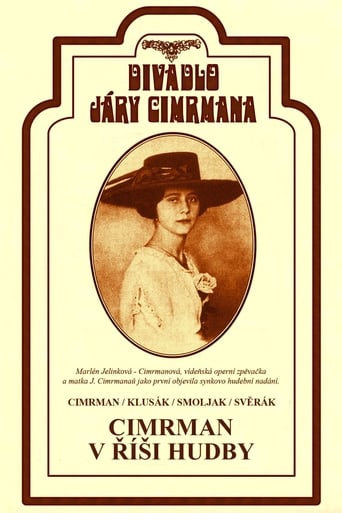
The original score was in a sorry state: the notes were carelessly marked, the lines were broken, and the paper was covered in smudges. I took the utmost care in reconstructing it: I erased the smudges, traced the lines with a ruler, blackened the bellies of the quarter notes, and added tails to the eighth and sixteenth notes. I believe that today's version of the work will stand up to even the most rigorous standards.
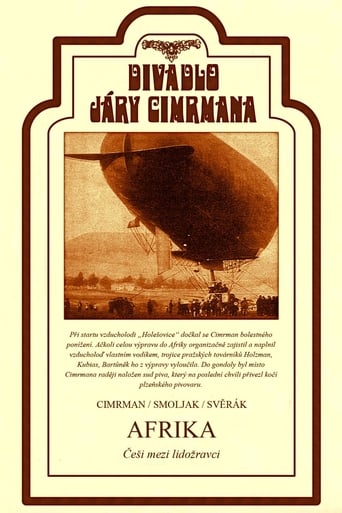
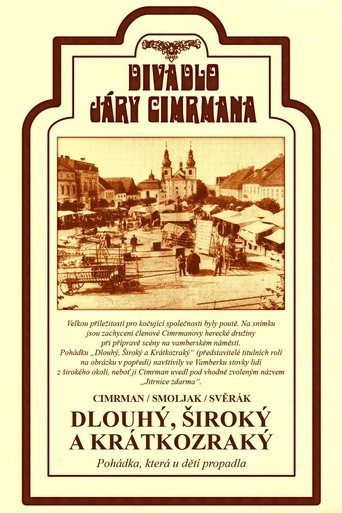
The fourteenth Cimrman play takes us to the heart of a continent almost untouched by civilization. Czech travelers encounter a strange tribe of cannibals and almost end up on their menu. The members of this tribe are unusual in two ways: their appearance and their extraordinary docility. These characteristics enabled Cimrman to solve linguistic and staging problems with an elegance that other world playwrights can only envy. If, say, G. B. Shaw had tackled such a theme, the audience would have spent 5 to 7 hours in the auditorium. Cimrman managed to do it in just one hour (not counting the introductory scientific seminar). For the first time in the history of the Jára Cimrman Theater, a live animal appears on stage.
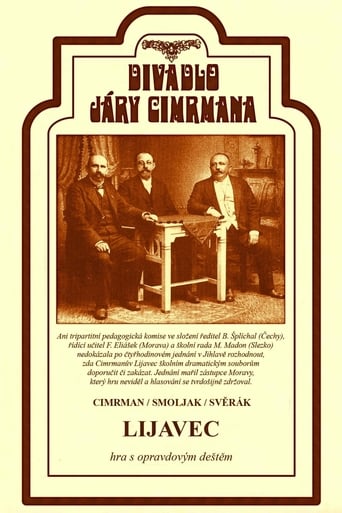
Poverty was one of the many unfortunate aspects of Cimrman's life. His traveling theater company, Lipany, suffered from high actor turnover. If an actor's departure was agreed upon well in advance, the situation could be managed. However, if it happened with shouting and slamming doors, often just a few hours before the performance, the troupe and its director experienced some tense moments. Such experiences form the backdrop to the play. Lovers of the work of this unrecognized Czech artist are now able to access testimony from this area of the master's life, in which his destiny was most fulfilled—the theater.