

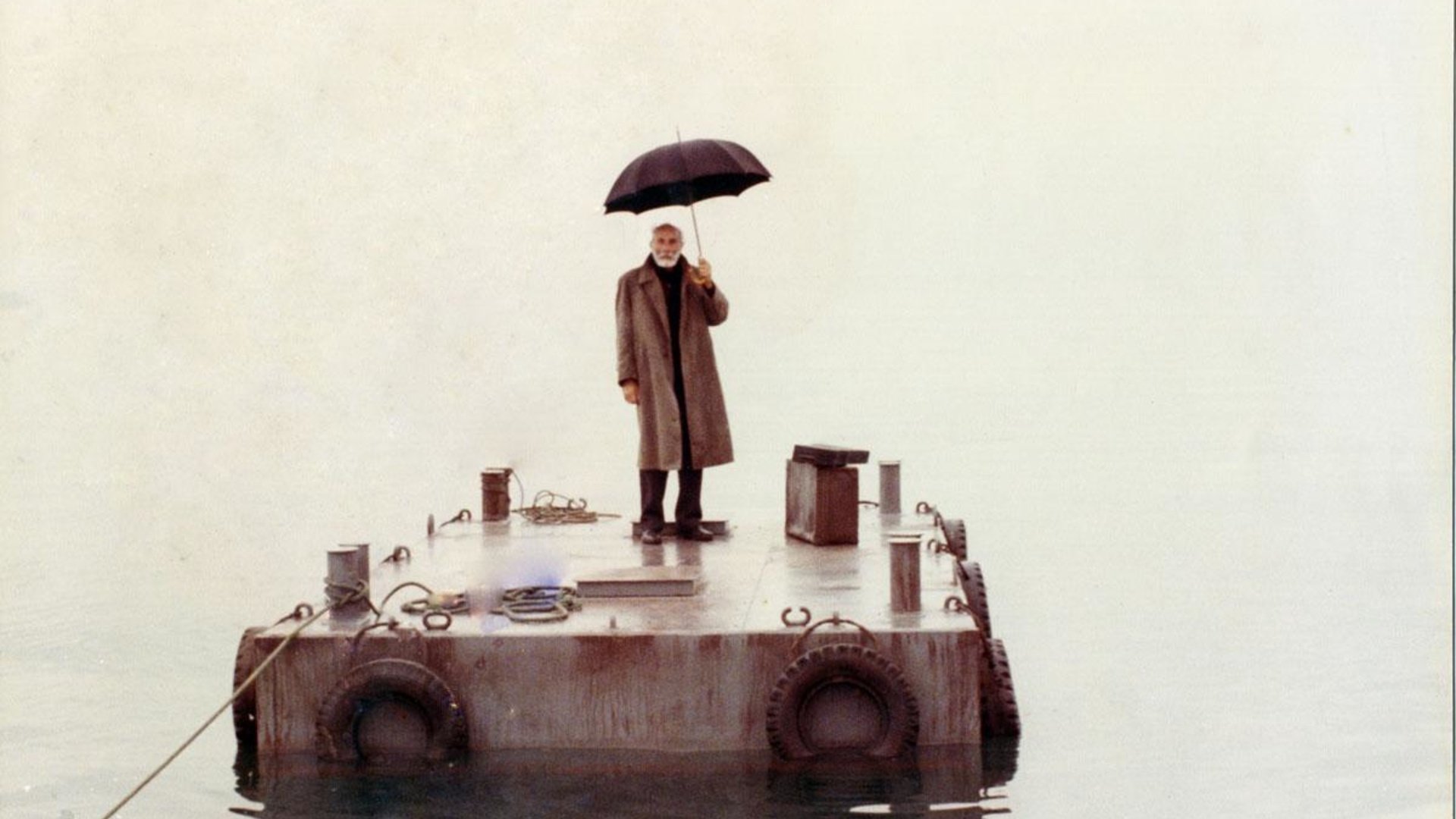

Voyage to Cythera
Drama
Overview
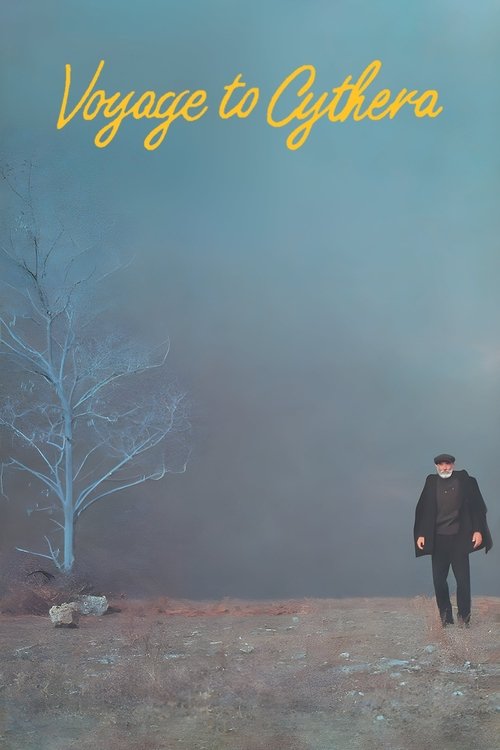
An old communist returning to Greece after 32 years in the Soviet Union is disillusioned with the state of things.
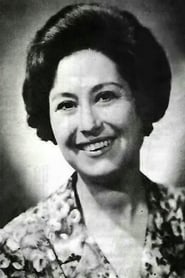











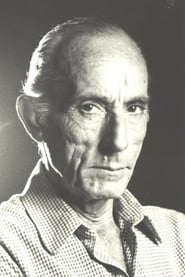
Manos Katrakis
Manos Katrakis
Spyros
Manos Katrakis
Spyros

Mairi Hronopoulou
Mairi Hronopoulou
Voula
Mairi Hronopoulou
Voula

Dionysis Papagiannopoulos
Dionysis Papagiannopoulos
Antonis
Dionysis Papagiannopoulos
Antonis
Dora Volanaki
Dora Volanaki
Katerina
Dora Volanaki
Katerina

Giulio Brogi
Giulio Brogi
Alexandros
Giulio Brogi
Alexandros

Giorgos Nezos
Giorgos Nezos
Panagiotis
Giorgos Nezos
Panagiotis

Athinodoros Prousalis
Athinodoros Prousalis
chief of police
Athinodoros Prousalis
chief of police

Mihalis Giannatos
Mihalis Giannatos
police officer
Mihalis Giannatos
police officer
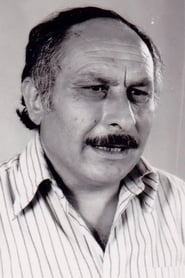
Vasilis Tsaglos
Vasilis Tsaglos
Vasilis Tsaglos

Despoina Geroulanou
Despoina Geroulanou
Despoina Geroulanou
Similar Movies
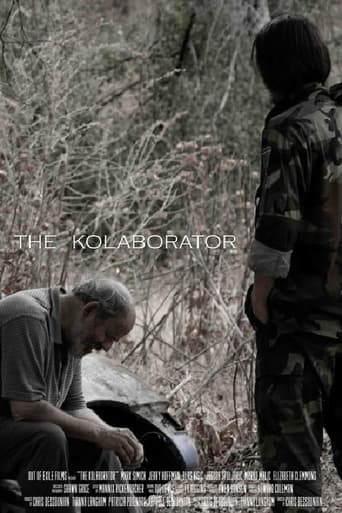
During the conflict in the former Yugoslavia many soldiers were convinced to kill fellow citizens including friends and relatives in the name of patriotism. The Kolaborator follows the story of Goran, 24, a promising young soccer player who is forced to become a soldier. Goran goes from being a talented athlete to an executioner virtually overnight. Following orders, Goran lines up civilians, shoots them and drags them into mass graves. Justifying his role as a protector of his people, Goran becomes increasingly detached from the task until his soccer coach and life-long friend, Asim, is led in front of him. As a familiar face stands defeated before him, Goran must reconsider his actions and choose between his own life and that of his dear friend.
In 1375, China was in chaos between Yuan Dynasty and Ming Dynasty. Coryo (an ancient kingdom of Korea then) sent a delegation of many diplomats, soldiers and a silent slave to make peace with the new Chinese government. However, this delegation got charged as spies and sent in exile to a remote desert.
No hay olvido, composed of three parts, each directed by a young Chilean filmmaker forced to flee his country, is about the difficult condition of exiles in a specific political and social context, in this case, Quebec. The first part, entitled J'explique certaines choses, is in Spanish with French subtitles, and shows us more precisely the lifestyle of a group of Chileans. In Slowly, which forms the second part, we are asked, through Lucia, a young Chilean exile, the problem of integration into a new social environment. Finally, Jours de fer (Steel Blues), the third and only part available in English, is a cruel reminder of the harsh condition of the uprooted man who must find work at all costs to ensure his survival.
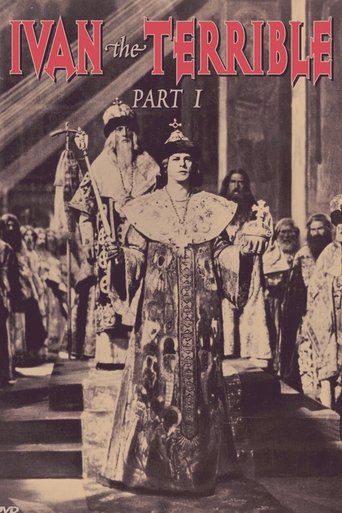
Set during the early part of his reign, Ivan faces betrayal from the aristocracy and even his closest friends as he seeks to unite the Russian people. Sergei Eisenstein's final film, this is the first part of a three-part biopic of Tsar Ivan IV of Russia, which was never completed due to the producer's dissatisfaction with Eisenstein's attempts to use forbidden experimental filming techniques and excessive cost overruns. The second part was completed but not released for a decade after Eisenstein's death and a change of heart in the USSR government toward his work; the third part was only in its earliest stage of filming when shooting was stopped altogether.