

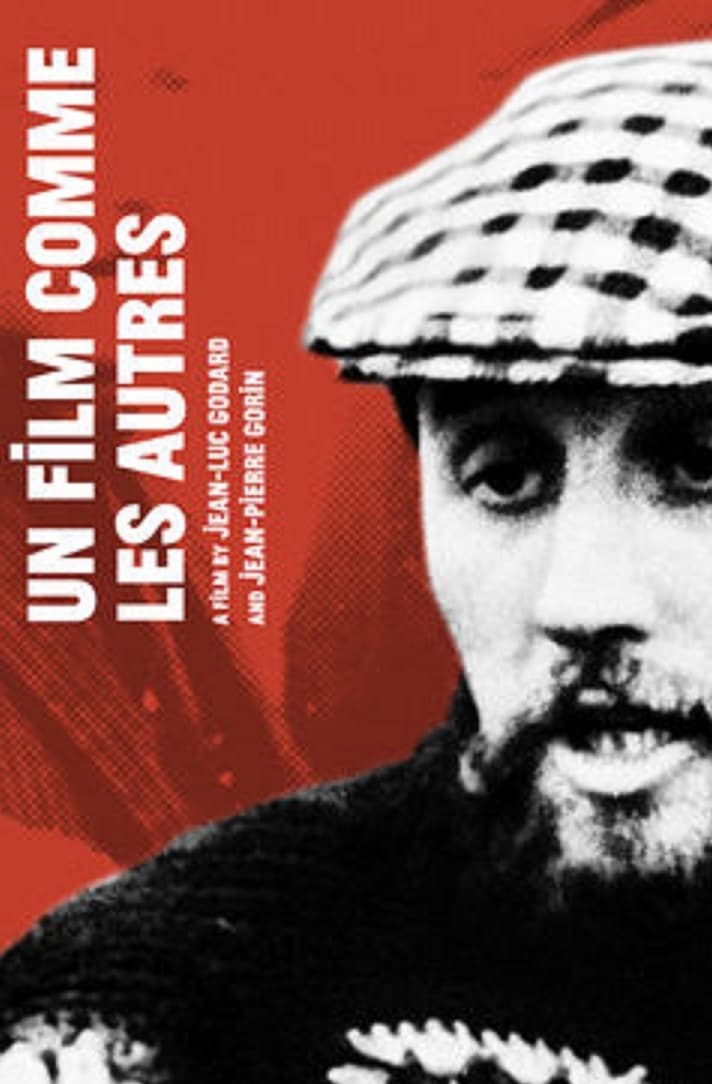
A Film Like Any Other
Documentary
Overview
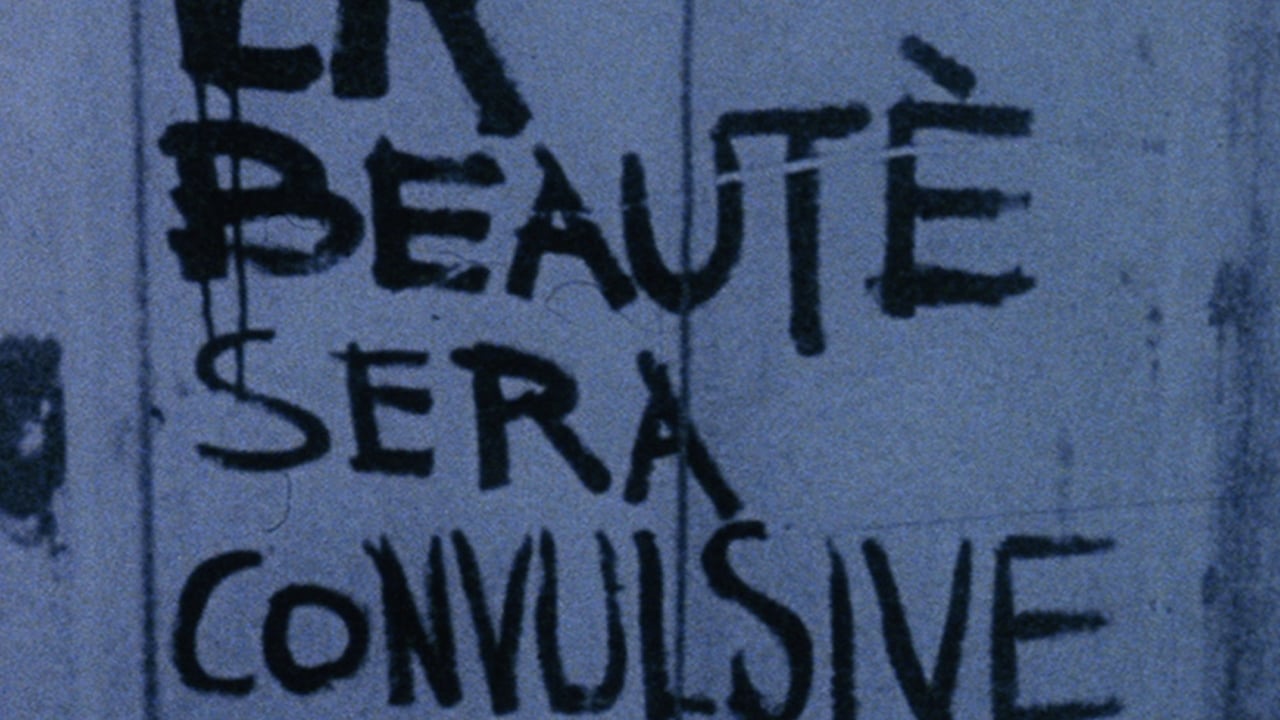
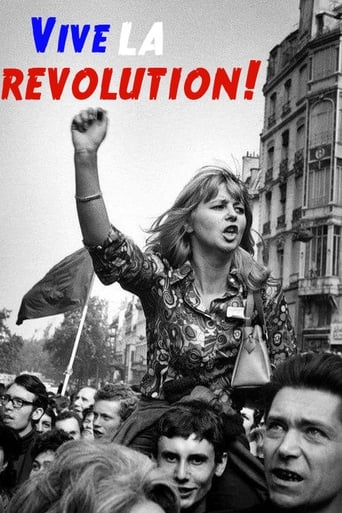
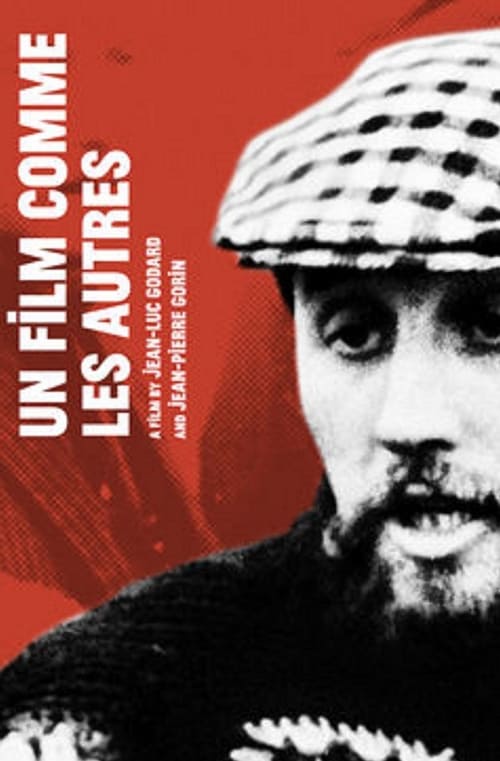
An analysis of the social upheaval of May 1968, made in the immediate wake of the workers’ and students’ protests. The picture consists of two parts, each with with identical image tracks, and differing narration.



No cast information.
Similar Movies

Jean-Luc Godard brings his firebrand political cinema to the UK, exploring the revolutionary signals in late '60s British society. Constructed as a montage of various disconnected political acts (in line with Godard's then appropriation of Soviet director Dziga Vertov's agitprop techniques), it combines a diverse range of footage, from students discussing The Beatles to the production line at the MG factory in Oxfordshire, burnished with onscreen political sloganeering.
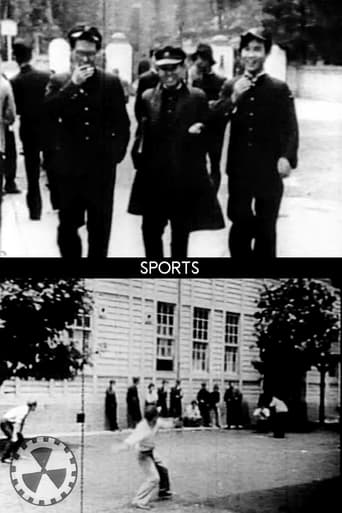
The film is about a protest provoked when the university decided to restrict access to sports facilities to athletes, cutting out all other students. This is, strictly speaking, not a Prokino film. It was produced by the Waseda University Film Circle, which was organized by Kawazoe Shiro. Feature film directors Yamamoto Satsuo and Taniguchi Senkichi were apparently students at Waseda at the time and participated in the production.
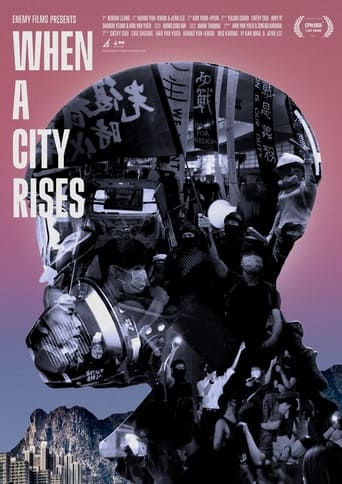
Behind the gas masks of Hong Kong’s democracy movement, the often very young activists are just as diverse as the youths of the rest of the world. But they share a demand for democracy and freedom. They have the will and the courage to fight – and they can see that things are going in the wrong direction in the small island city, which officially has autonomy under China but is now tightening its grip and demanding that ‘troublemakers’ be put away or silenced. Amid the violent protests, we meet a 21-year-old student, a teenage couple and a new father.
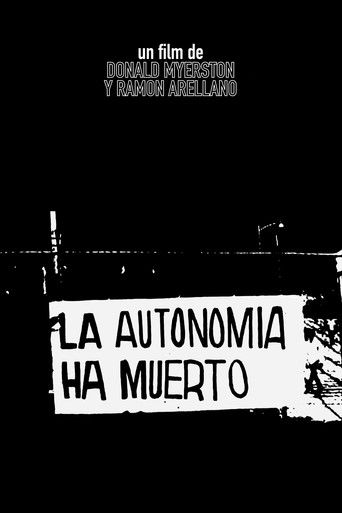
In 1969, the Renovación Universitaria movement and the subsequent raid on the Central University of Venezuela by the government of Rafael Caldera, triggered a strong wave of protest in the Institutes of Higher Education in Venezuela. This documentary collects part of the events that took place in the city of Mérida, Mérida State, where the University of the Andes is located.
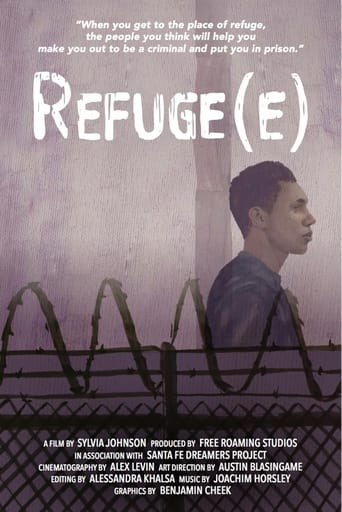
Refuge(e) traces the incredible journey of two refugees, Alpha and Zeferino. Each fled violent threats to their lives in their home countries and presented themselves at the US border asking for political asylum, only to be incarcerated in a for-profit prison for months on end without having committed any crime. Thousands more like them can't tell their stories.
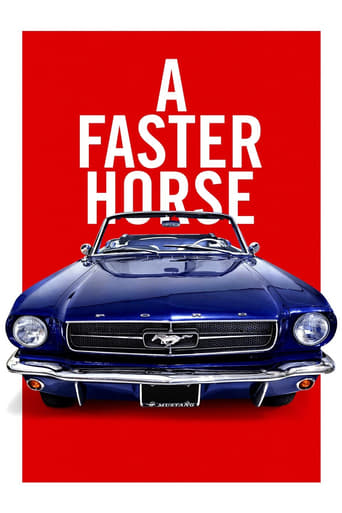
David Gelb (Jiro Dreams of Sushi) tackles another venerable, beloved, and long-standing institution: the Mustang, crown jewel of the Ford fleet. Only this institution is in turmoil. As the fiftieth anniversary of the Mustang approaches and the car industry struggles through the deepest trough of the financial crisis, Ford launches a redesign. Now the jobs of workers at Ford’s Flat Rock Assembly Plant, the expectations of the thousands of Mustang devotees, and the livelihood of the city of Detroit are all placed squarely on the shoulders of Dave Pericak. As chief program engineer, he will guide the 2015 Mustang from assembly floor to showroom—if only he can get that vibration out of the steering wheel.
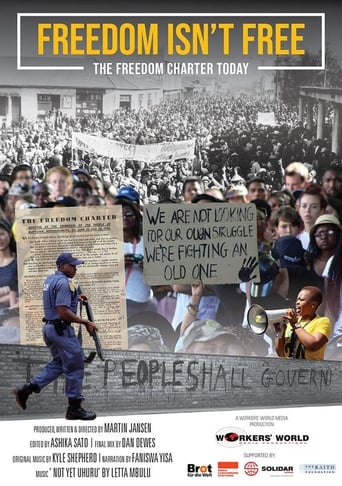
Since its adoption in June 1955 by the Congress movement, the Freedom Charter has been the key political document that acted as a beacon and source of inspiration in the liberation struggle against Apartheid. It was reputedly the main source that informed democratic South Africa’s liberal constitution and a constant reference point for the ruling African National Congress (ANC) and rival political parties that it spawned since 1994, all claiming the Freedom Charter’s legacy. Freedom Isn’t Free assesses the history and role of the charter, especially in relation to key political and socio-economic aspects of developments in South Africa up to the present period. It includes rare archival footage with interviews of a cross-section of outspoken influential South Africans.
Intended as a publicity film for Chrysler, Rhythm uses rapid editing to speed up the assembly of a car, synchronizing it to African drum music. The sponsor was horrified by the music and suspicious of the way a worker was shown winking at the camera; although Rhythm won first prize at a New York advertising festival, it was disqualified because Chrysler had never given it a television screening. P. Adams Sitney wrote, “Although his reputation has been sustained by the invention of direct painting on film, Lye deserves equal credit as one of the great masters of montage.” And in Film Culture, Jonas Mekas said to Peter Kubelka, “Have you seen Len Lye’s 50-second automobile commercial? Nothing happens there…except that it’s filled with some kind of secret action of cinema.” - Harvard Film Archive