

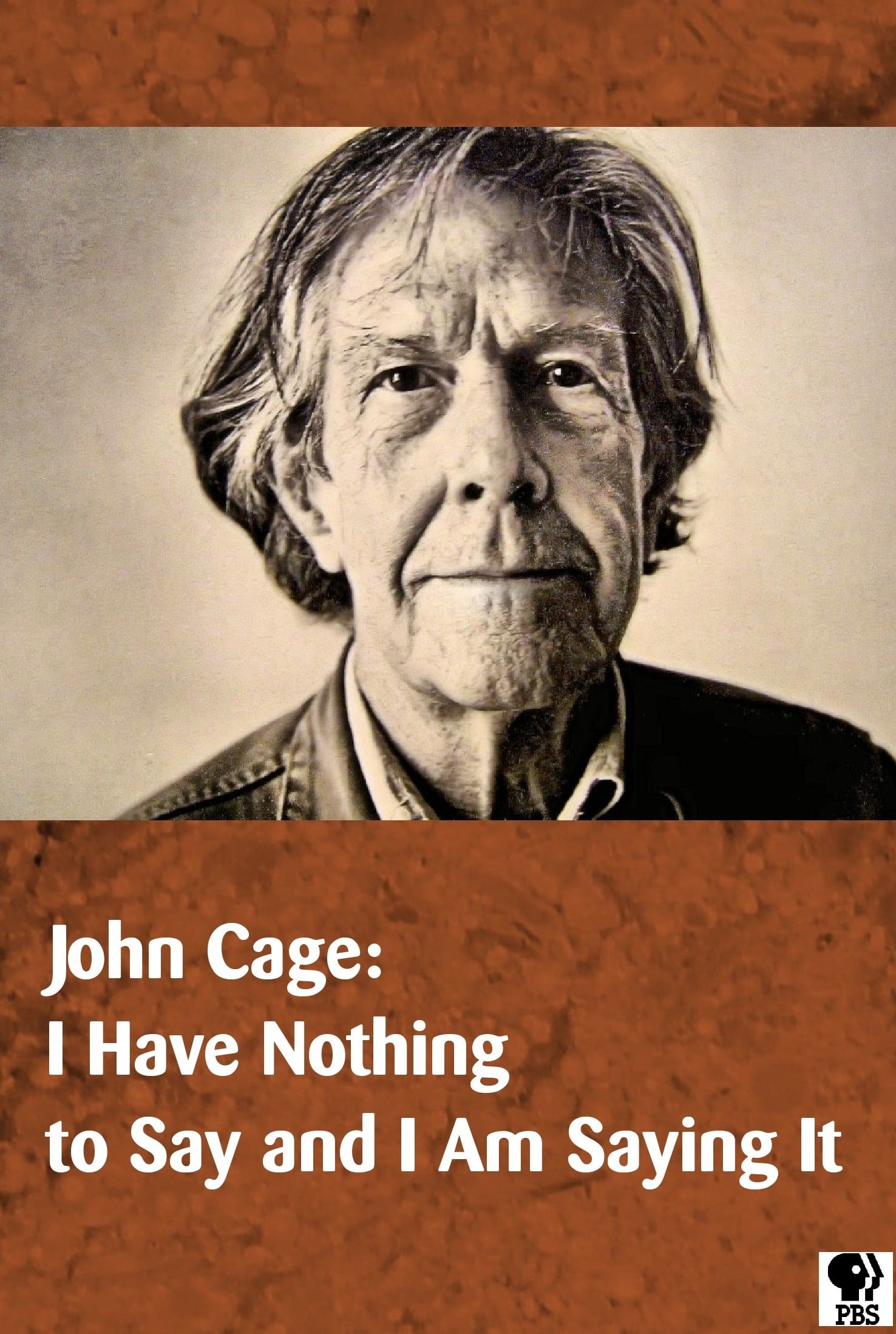
John Cage: I Have Nothing to Say and I Am Saying It
Documentary · Music · TV Movie
Overview
This 56-minute documentary on America's most controversial and unique composer manages to cover a great many aspects of Cage's work and thought. His love for mushrooms, his Zen beliefs and use of the I Ching, and basic bio details are all explained intelligently and dynamically. Black Mountain, Buckminster Fuller, Rauschenberg, Duchamp are mentioned. Yoko Ono, John Rockwell, Laurie Anderson, Richard Kostelanetz make appearances. Fascinating performance sequences include Margaret Leng-Tan performing on prepared piano, Merce Cunningham and company, and performances of Credo In Us, Water Music, and Third Construction. Demystifies the man who made music from silence, from all sounds, from life.
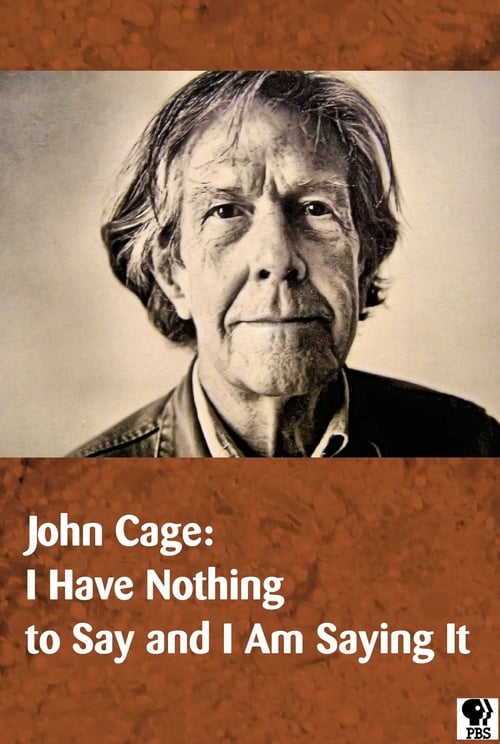
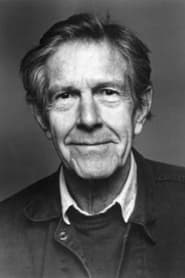
John Cage
John Cage
Self
John Cage
Self
Merce Cunningham
Merce Cunningham
Self
Merce Cunningham
Self
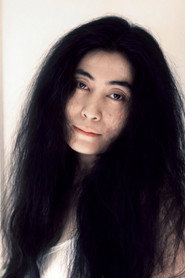
Yoko Ono
Yoko Ono
Self
Yoko Ono
Self
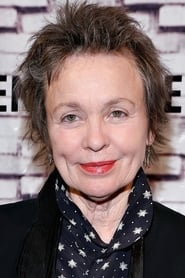
Laurie Anderson
Laurie Anderson
Self
Laurie Anderson
Self
Margaret Leng Tan
Margaret Leng Tan
Herself
Margaret Leng Tan
Herself
Robert Rauschenberg
Robert Rauschenberg
Himself
Robert Rauschenberg
Himself
Patricia Denk Powers
Patricia Denk Powers
Narrator (voice)
Patricia Denk Powers
Narrator (voice)
Similar Movies
In 1965, passionate musician Glenn Holland takes a day job as a high school music teacher, convinced it's just a small obstacle on the road to his true calling: writing a historic opus. As the decades roll by with the composition unwritten but generations of students inspired through his teaching, Holland must redefine his life's purpose.
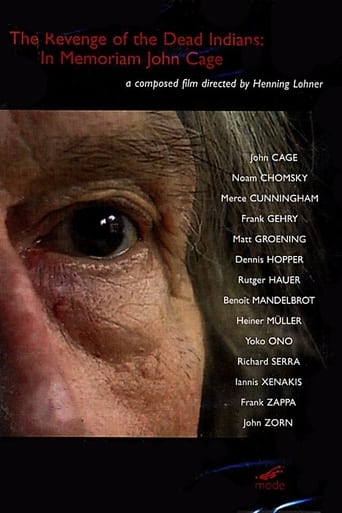
This is a full-length documentary honoring the life and work of American composer and artist John Cage. Cage is considered one of the most influential composers of the 20th century. This documentary features interviews with various personalities from different fields as they introduce us to the life and work of this great American artist.
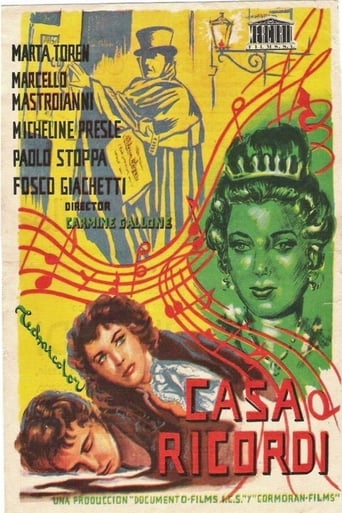
The film covers a hundred years in the lives of the Ricordi family, the Milan publishing house of the title, and the various composers and other historic personalities, whose careers intersected with the growth of the Ricordi house. It beautifully draws the parallel between the great music of the composers, the historic and social upheavals of their times, as well as the "smaller stories" of the successive generations of Ricordi.

Philippe, an opera composer in search of inspiration, is forced to take in Simone, his rebellious, eccentric niece whose best friend is a skunk. Despite their diametrically opposed personalities, Philippe and Simone quickly discover that they may need each other more than they first thought.
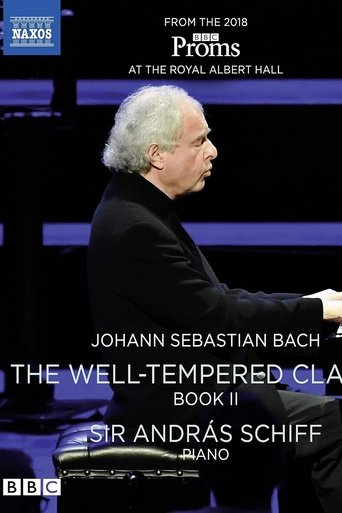
Distinguished Bach specialist Sir András Schiff returned to the BBC Proms in 2018 to present Book II of The Well-Tempered Clavier. Bach's effortless brilliance and new-found sonorities push harmony and counterpoint further than ever with a combination of ancient and modern styles, church austerity and galant lightness. Schiff has said that no-one combines the sacred and the secular as Bach does, and this is comprehensively demonstrated in Bach's fascinating and challenging sequence. This performance in the Royal Albert Hall was described as a musical meditation for our troubled times by the Independent.
"What would the world be like without Beethoven?" That’s the provocative question posed by this music documentary from Deutsche Welle. To answer it, the film explores how Ludwig van Beethoven's innovations continue to have an impact far beyond the boundaries of classical music, 250 years after his birth.
In 1919 an art school opened in Germany that would change the world forever. It was called the Bauhaus. A century later, its radical thinking still shapes our lives today. Bauhaus 100 is the story of Walter Gropius, architect and founder of the Bauhaus, and the teachers and students he gathered to form this influential school. Traumatised by his experiences during the Great War, and determined that technology should never again be used for destruction, Gropius decided to reinvent the way art and design were taught. At the Bauhaus, all the disciplines would come together to create the buildings of the future, and define a new way of living in the modern world.
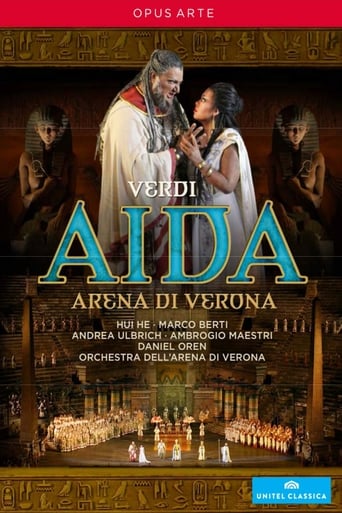
The grand scale and magnificent acoustics of the Roman arena in Verona are ideally suited to the pageantry of Verdi's Egyptian opera, presented here in a staging that is true to the original 1913 production, framed by obelisks and sphinxes and filled with chorus and dancers. Chinese soprano Hui He has won international acclaim for her portrayal of the eponymous slave girl whose forbidden love for the war hero Radamés (Marco Berti, the experienced Verdi tenor) brings death to them both.