

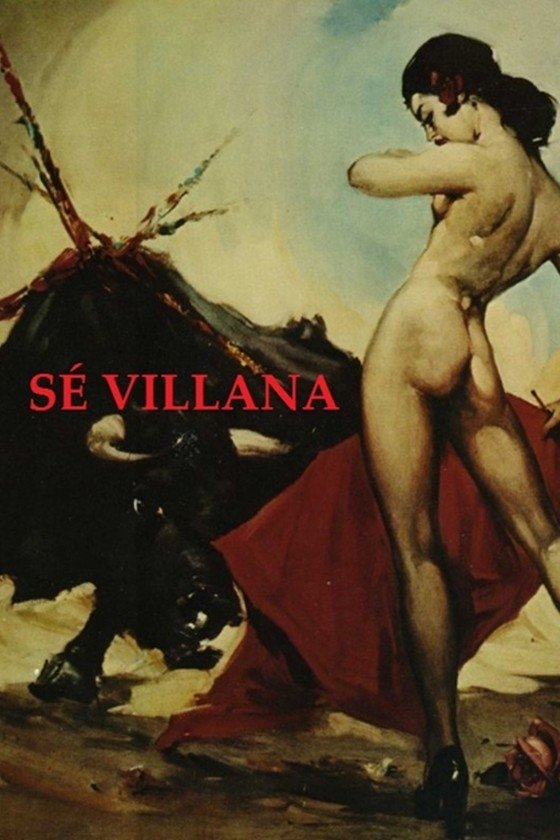
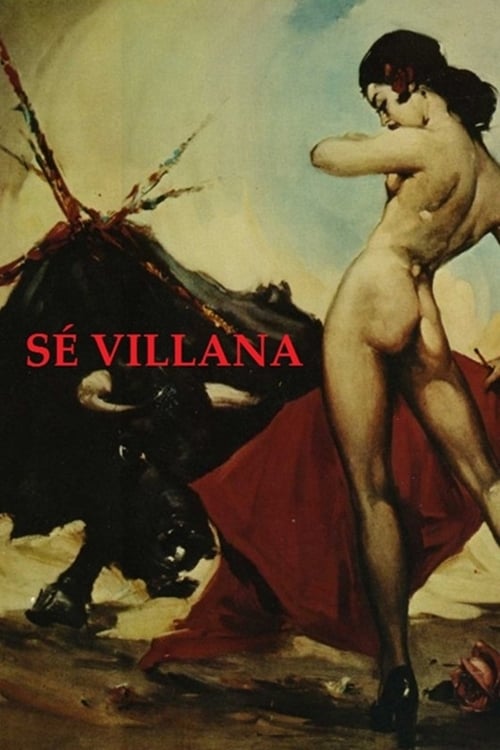
Sé villana. La Sevilla del diablo
Documentary
Overview
A compiling documentary about Seville "Spain". It reflects with sarcasm some of the deepest problems and stereotypes associated to Andalusians, and depicts them as the consequences of capitalism.


No cast information.
Similar Movies

Filmed in Cordoba, Granada, Seville, and Toledo, this documentary retraces the 800-year period in medieval Spain when Muslims, Christians, and Jews forged a common cultural identity that frequently transcended their religious differences, revealing what made this rare and fruitful collaboration possible, and what ultimately tore it apart.
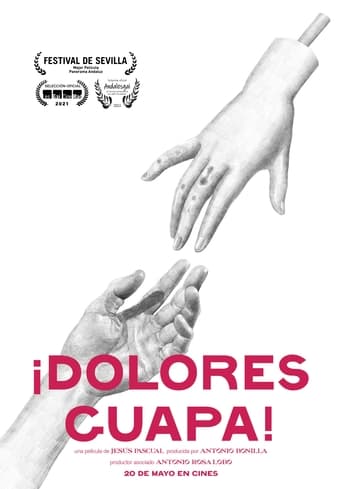
Religious-based images and traditions permeate the lives of all the people who inhabit Seville. Historically, the city's mariquitas ("sissies") have also assimilated them in their childhood and, through them, have been creating their own encounter spaces and their own codes. Nowadays, new dissident identities continue to respond to them: they participate or distance themselves, they continue what exists or transform it. This film looks at these traditions from a perspective always relegated to the margins.
A documentary about the inner, unknown world of the brotherhoods, a universe of its own with its own laws, rules, and philosophy far removed from religion, which were (and in many ways still are) foreign to most people, especially the non-Andalusian majority in Spain. It is the only audiovisual document that captures the pivotal moment for the "people at the bottom" when professional bearers (dockworkers, day laborers, and various other wage earners) are being "pushed out" of the brotherhoods and replaced by fellow bearers. From an anthropological perspective, "Costaleros" projects peculiarities of Andalusian culture that are often misinterpreted and misunderstood from the outside.

Fernanda Ocaña, a 60-year-old drag artist from Seville, left her hometown at 14 to build a life in Barcelona. Taken in by the iconic Spanish artist José Pérez Ocaña, she immersed herself in the world of show business. Today, she continues to shine as the host of the Bar Ocaña in Plaza Real, welcoming guests with her unmistakable charm.
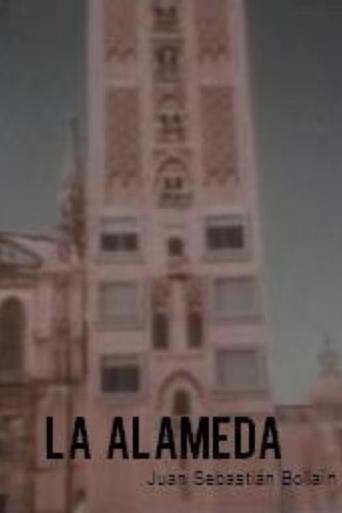
Following a commission from the College of Architects of Seville, for the production of a documentary about the La Alameda de Hércules area of the Sevillian capital in a debate about its possible destiny and urban planning challenges, the filmmaker Juan Sebastián Bollaín, offers this visionary realistic and critical, at the same time experimental and iconoclastic, portrait of the problem of the transformation of historic centers in our cities.