

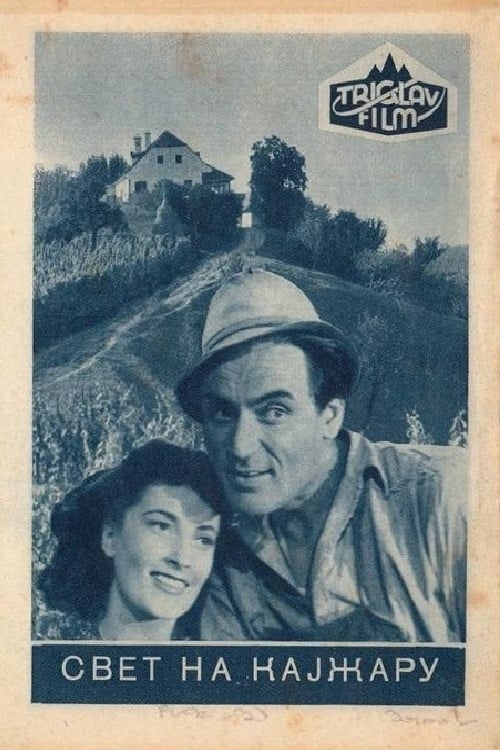
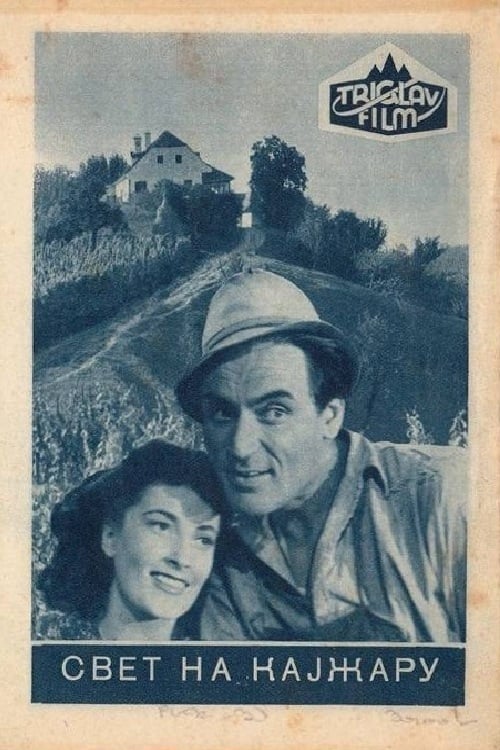
Life in Kajzar
Drama
Overview
A post-WW2 story about the village largely involved in wine-making business. The peasants who claimed possessions of lands, woods, and churches after communist party seized the power hold a party where a member of so-called reactionary forces (kulaks, clergy and Axis collaborators) tries to break in and stop it.














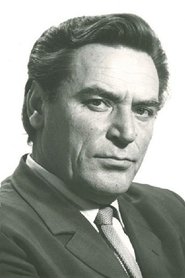
Bert Sotlar
Bert Sotlar
Tjoš
Bert Sotlar
Tjoš
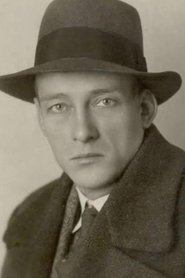
Maks Furijan
Maks Furijan
Ornik
Maks Furijan
Ornik
Vika Podgorska
Vika Podgorska
Jula
Vika Podgorska
Jula
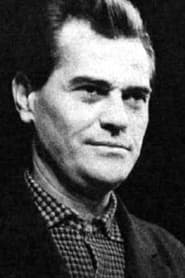
Lojze Rozman
Lojze Rozman
Miličnik
Lojze Rozman
Miličnik
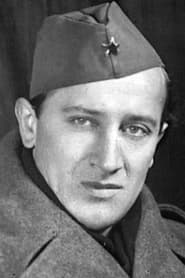
France Presetnik
France Presetnik
Kulak Sinko
France Presetnik
Kulak Sinko
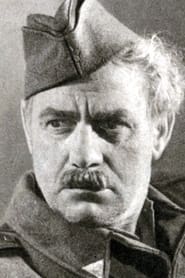
Lojze Potokar
Lojze Potokar
župnik Farkaš
Lojze Potokar
župnik Farkaš
Pavle Kovič
Pavle Kovič
Kletar
Pavle Kovič
Kletar

Aleksander Valič
Aleksander Valič
Sirk
Aleksander Valič
Sirk
Elvira Kralj
Elvira Kralj
Tičkovca
Elvira Kralj
Tičkovca
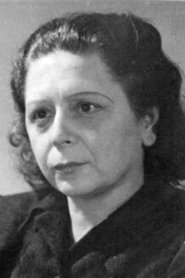
Vida Juvan
Vida Juvan
Lajhovka
Vida Juvan
Lajhovka
Similar Movies
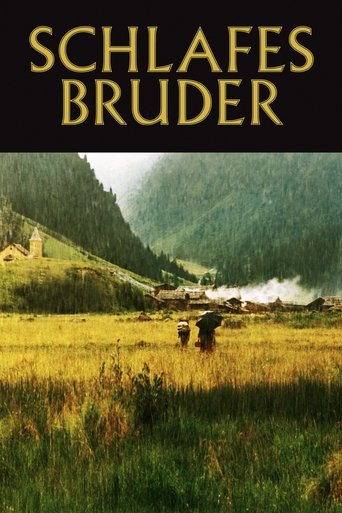
In the beginning of the 19th century, Johannes Elias Alder is born in a small village in the Austrian mountains. While growing up he is considered strange by the other villagers and discovers his love of music, especially rebuilding and playing the organ at the village church. After experiencing an "acoustic wonder", his eye color changes and he can hear even the most subtle sounds.
When a young boy comes in to see a doctor abourt a red mark on his face, the doctor's wife welcomes him into the consulting room instead. As they talk, she offers him something to eat and then notes that his manner of eating is just like that of her previous husband, who died in prison many years earlier. It turns out that the young man had been his cell mate for a year, and he tells her the story of how her husband died. She then remembers (in flashbacks) how she had helped her first husband rid himself of his sexual repression, and how she had promised him she would marry her current husband if she were widowed. It seems her doctor-husband was a man who could remain untouched through any political climate, and was much admired by her first husband. Now that her memories have been awakened by the young man's account, she ignores the repeated phone calls of her current husband and decides to rid this young man of his own sexual repressions.
An American journalist arrives in Berlin just after the end of World War Two. He becomes involved in a murder mystery surrounding a dead GI who washes up at a lakeside mansion during the Potsdam negotiations between the Allied powers. Soon his investigation connects with his search for his married pre-war German lover.
Orphaned after a Nazi air raid, Paulette, a young Parisian girl, runs into Michel, an older peasant boy, and the two quickly become close. Together, they try to make sense of the chaotic and crumbling world around them, attempting to cope with death as they create a burial ground for Paulette's deceased pet dog. Eventually, however, Paulette's stay with Michel's family is threatened by the harsh realities of wartime.
A young academy soldier, Maciek Chelmicki, is ordered to shoot the secretary of the KW PPR. A coincidence causes him to kill someone else. Meeting face to face with his victim, he gets a shock. He faces the necessity of repeating the assassination. He meets Krystyna, a girl working as a barmaid in the restaurant of the "Monopol" hotel. His affection for her makes him even more aware of the senselessness of killing at the end of the war. Loyalty to the oath he took, and thus the obligation to obey the order, tips the scales.
Young Cabiria is kidnapped by pirates and sold as a slave in Carthage. Just as she's to be sacrificed to Moloch, Cabiria is rescued by Fulvius Axilla, a good-hearted Roman spy, and his powerful slave, Maciste. The trio are broken up as Cabiria is entrusted to a woman of noble birth. With Cabiria's fate unknown, Maciste punished for his heroism, and Fulvius sent away to fight for Rome, is there any hope of our heroes reuniting?
The Nazis, exasperated at the number of escapes from their prison camps by a relatively small number of Allied prisoners, relocate them to a high-security 'escape-proof' camp to sit out the remainder of the war. Undaunted, the prisoners plan one of the most ambitious escape attempts of World War II. Based on a true story.
What would your family reminiscences about dad sound like if he had been an early supporter of Hitler’s, a leader of the notorious SA and the Third Reich’s minister in charge of Slovakia, including its Final Solution? Executed as a war criminal in 1947, Hanns Ludin left behind a grieving widow and six young children, the youngest of whom became a filmmaker. It's a fascinating, maddening, sometimes even humorous look at what the director calls "a typical German story." (Film Forum)