

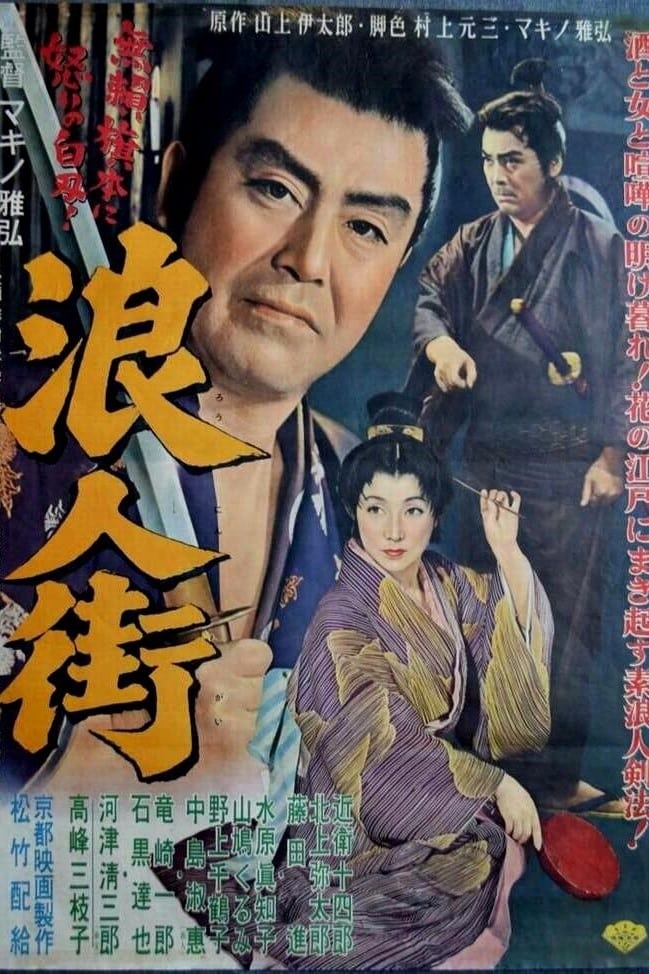
Street of Ronin
Action · Adventure
Overview
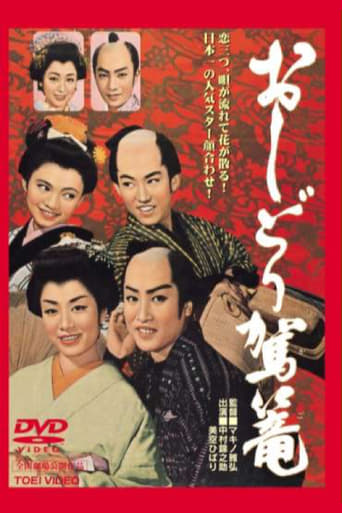
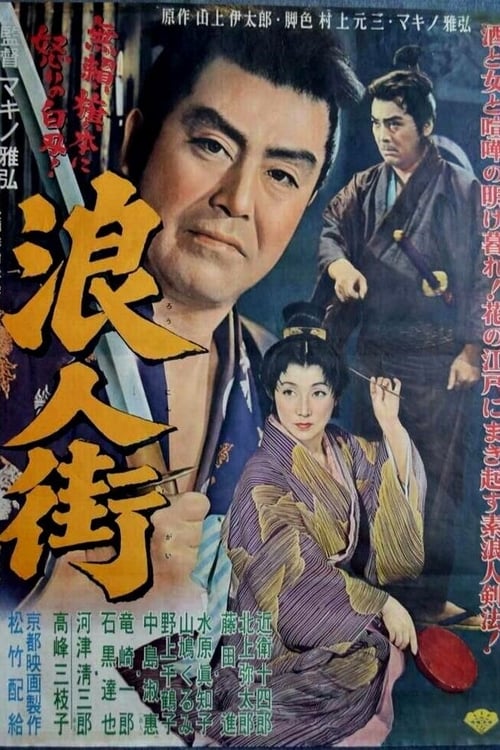
Based on the famous novel by Yamagami Itaro, this is the story of a group of ronin living in abject poverty in the latter days of the Edo period. Starring the great Konoe Jushiro, Ronin Gai is populated by an ensemble of colorful characters, social outcasts who patronize a restaurant and bar on the outskirts of Edo. Among them are masterless samurai reduced to drunkenness and debauchery. One disgraced and disillusioned former warrior gets a chance at redemption when he is hired to retrieve a famous knife from a corrupt lord. This is the third version directed by Makino Masahiro and is considered a true classic.



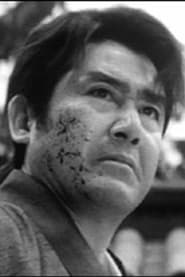
Jūshirō Konoe
Jūshirō Konoe
Jūshirō Konoe

Seizaburō Kawazu
Seizaburō Kawazu
Seizaburō Kawazu
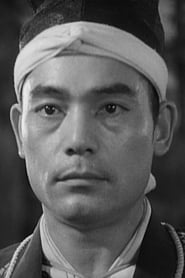
Susumu Fujita
Susumu Fujita
Susumu Fujita
Yatarō Kitagami
Yatarō Kitagami
Yatarō Kitagami
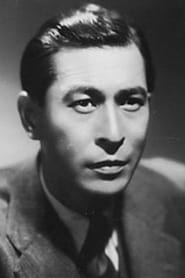
Ichirō Ryūzaki
Ichirō Ryūzaki
Ichirō Ryūzaki

Mieko Takamine
Mieko Takamine
Mieko Takamine
Machiko Mizuhara
Machiko Mizuhara
Machiko Mizuhara
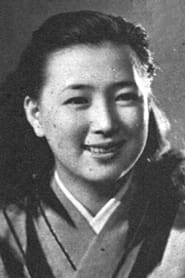
Kurumi Yamabato
Kurumi Yamabato
Kurumi Yamabato
Chizuko Nogami
Chizuko Nogami
Chizuko Nogami
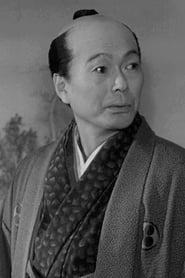
Tatsuya Ishiguro
Tatsuya Ishiguro
Tatsuya Ishiguro
Similar Movies
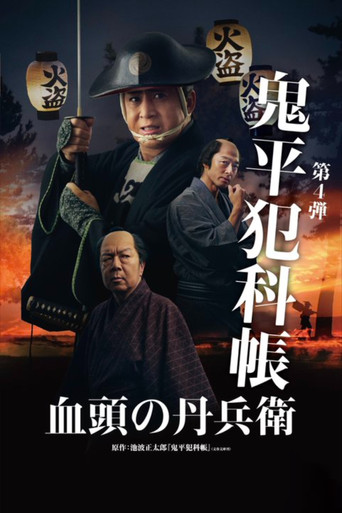
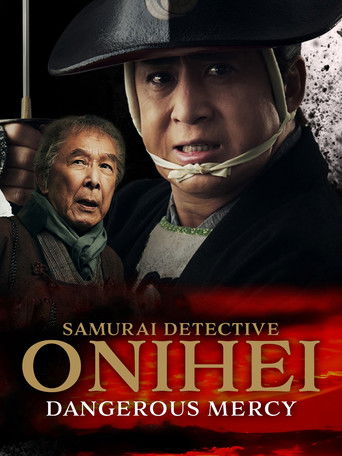
The story follows detective Heizo, played by Koshiro Matsumoto, who investigates Tanbei Chigashira, a notorious thief. Kumehachi, a former member of Tanbei's gang, claims that their former leader is an impostor. The real Tanbei Chigashira followed three strict rules: do not kill, do not rape women, and do not steal from the poor.
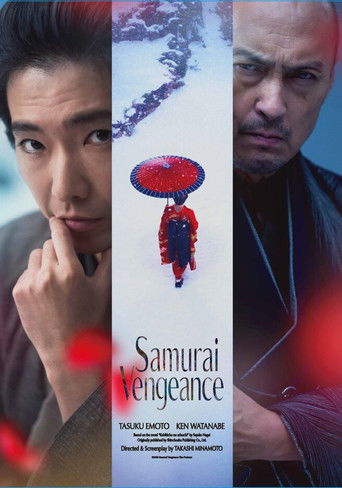
Juzo Ono, a subordinate of Matsumoto Heizo. (yakunin government official) Ono Juzo finds himself torn between 'emotion' and 'duty' after encountering a certain woman. While Heizo worries about Juzo, he also delves into the heart of the matter. What choices will Juzo make, and what feelings will Heizo harbor for his future? Taking on the role of Juzo Ono, who holds the key to the story, is Tokio Emoto, following his performances in 'Lawless Love' and 'Blood for Blood.' This portrayal adds another layer to the character previously played by Tokio Emoto's father, Akira.
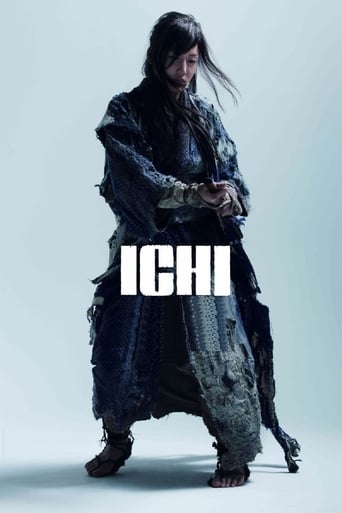
Ichi is a blind entertainer that travels the countryside with her traditional Japanese guitar and walking stick. She’s in search for the kind man that brought her up as a child, but because of her beauty she encounters problems every step of the way. Fortunately for Ichi, she is also a gifted swordswoman and carries a lethal blade within her walking stick.
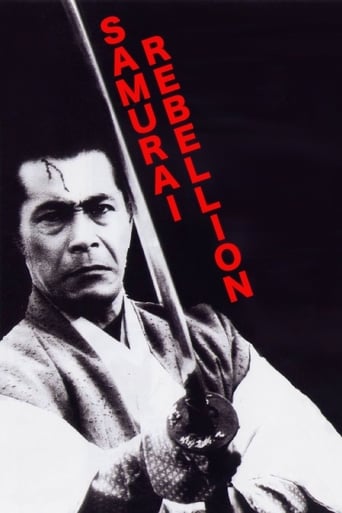
Down-on-his-luck veteran Tsugumo Hanshirō enters the courtyard of the prosperous House of Iyi. Unemployed, and with no family, he hopes to find a place to commit seppuku—and a worthy second to deliver the coup de grâce in his suicide ritual. The senior counselor for the Iyi clan questions the ronin’s resolve and integrity, suspecting Hanshirō of seeking charity rather than an honorable end. What follows is a pair of interlocking stories which lay bare the difference between honor and respect, and promises to examine the legendary foundations of the Samurai code.
Yagyu Jubei, the finest swordsman in the land, is called upon to bare his blade to help Iemitsu keep his post. Meanwhile a fishmonger named Isshin Tasuke who bears an amazing resemblance to Shogun Iemitsu may be called upon to put his life on the line by acting as the Shogun's double. At the same time, the tragic story of Banzuiin Chobei and Mizuno Jurozaemon is unfolding.
The Color Print of Edo is a 1939 black and white Japanese silent film with benshi accompaniment directed by Kazuo Mori. It is a cheerful period drama, sprinkled with comical scenes and tells the story of a loyal and handsome Edo period servant who fights to help his older brother marry the woman he loves. The star of this film, Utaemon Ichikawa, gained enormous popularity for his portrayal of a cheerful and chivalrous man.
In January 1810 in Edo, Kikunosuke, the 17-year-old-son of a murdered samurai, takes revenge on his father's murderer, Sakubai, who was his father's former retainer. Kikunosuke gloriously defeats the swaggering Sakubai in single combat in front of a theater, witnessed by a huge audience that had just finished watching a production of 47 Ronin. With Sakubai's severed head, Kikunosuke has achieved his revenge and ensured that his family won't be exiled. 18 months later, a ronin named Soichiro Kase from Kikunosuke's domain arrives at the theater. While he seems silly and smooth-talking, he's very keen on finding out more about the incident and Kikunosuke's time working at the theater. The theater's staff – the barker Ippachi, the swordsmanship teacher Sagara, the costumer Hotaru, the craftsman Kyuzo, and the playwright Kinji – are apprehensive and suspicious at his digging. However, not everything is as it seems.