

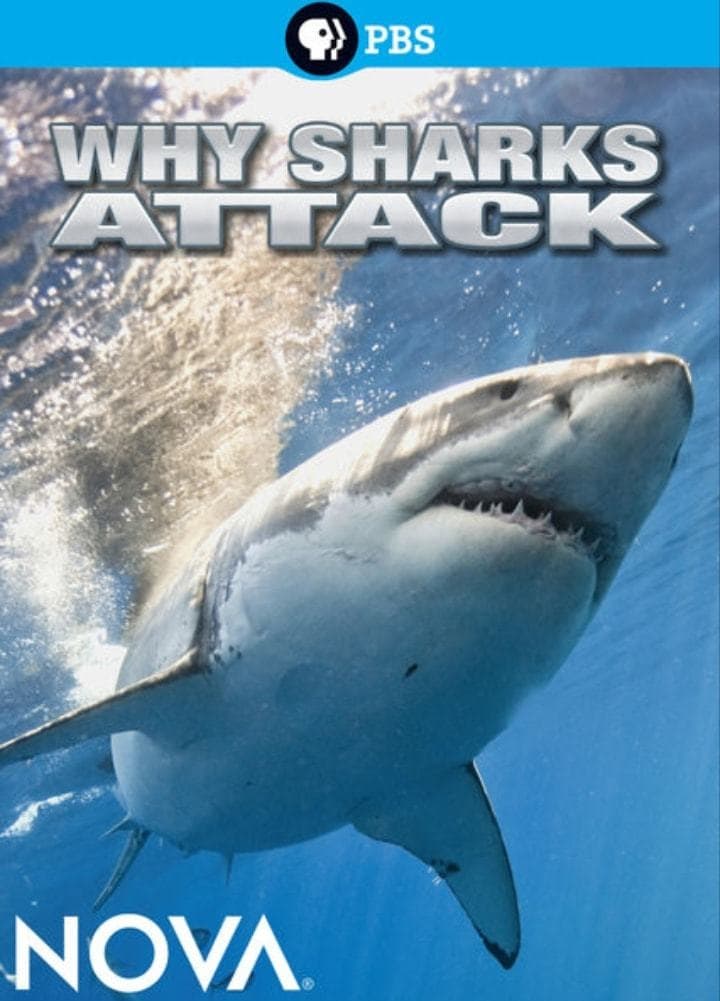
Why Sharks Attack
Documentary
Overview
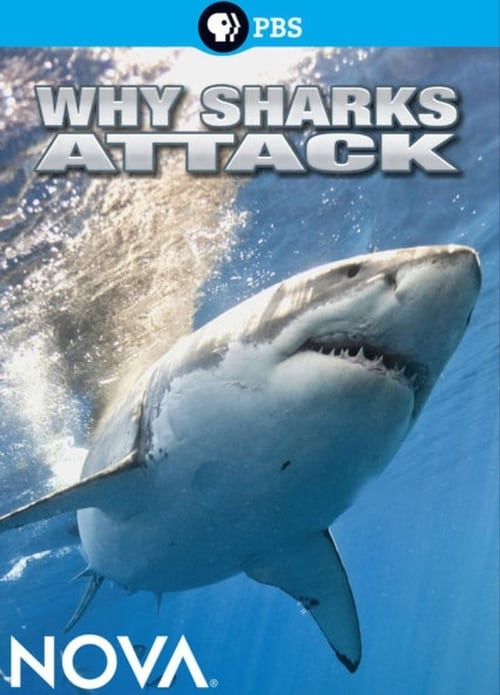
In recent years, an unusual spate of deadly shark attacks has gripped Australia, resulting in five deaths in 10 months. At the same time, great white sharks have begun appearing in growing numbers off the beaches of Cape Cod, Massachusetts, not far from the waters where Steven Spielberg filmed Jaws. What's behind the mysterious arrival of this apex predator in an area where it's rarely been seen for hundreds of years? Are deadly encounters with tourists inevitable? To separate fact from fear, NOVA teams with leading shark experts in Australia and the United States to uncover the science behind the great white's hunting instincts. With shark populations plummeting, scientists race to unlock the secrets of these powerful creatures of the deep in their quest to save people -- and sharks.


Craig Sechler
Craig Sechler
Narrator
Craig Sechler
Narrator
Greg Skomal
Greg Skomal
Himself
Greg Skomal
Himself
Similar Movies
For 20-year-old Madison Stewart, nothing feels safer or more natural than diving straight into shark-infested waters. Since childhood, growing up by the Great Barrier Reef, she's treated these predators as family. But they're vanishing from existence, and because of their bad reputation, few people seem to care. Follow Madison on her mission to protect our sharks, a battle that began when she put her studies on hold, grabbed a camera, and set out to save these incredible, misunderstood creatures.
A journey into the land of sharks. The old myth of swimming killing machines is put against the true nature of those rather peaceful hunters, whose evolution ended in biological perfection millions of years ago. We accompany expeditions of Dr. Eugenie Clark and Rodney Fox, who have studied sharks since the 1950's.
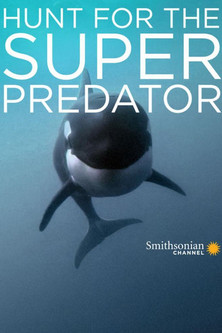
There's a mysterious predator lurking in the depths of Australia's wild Southern Ocean, a beast that savagely devoured a great white shark in front of cinematographer David Riggs 11 years ago. Riggs's obsession to find the killer leads him to an aquatic battle zone that's remained hidden until now. Here, killer whales, colossal squid and great white sharks face off in an underwater coliseum where only the fiercest creatures of the marine world survive.
Atlantis is filmmaker Luc Besson's celebration of the beauty and wonder of the world beneath the sea, expanding upon themes touched on in his film The Big Blue. Combining stunning underwater cinematography and a hypnotic score by Eric Serra, Besson's singular vision defies dialogue or narrative structure to explore ocean life as you've never seen it before. Following the colossal success of The Big Blue, Luc Besson crisscrossed the world's seas and oceans to film the beauty and diversity of marine life: from the giant octopuses of Vancouver to the manta rays of the Pacific (New Caledonia), and the grey sharks of Tahiti. A film with no actors or sets other than the underwater world. A breathtaking view of marine species: sharks, dolphins, manatees, octopuses. An exploration of the seabed in the Bahamas, the Galapagos, Vancouver, and Tahiti.
This films reveals the extraordinary variety of life found in the vast blue expanses of the open ocean. Here, all the action takes place in a 10 metre deep band of water, just under the surface. Many species use this section of water to migrate and hunt while others use ingenious ways to stay hidden where there appears to be no shelter.
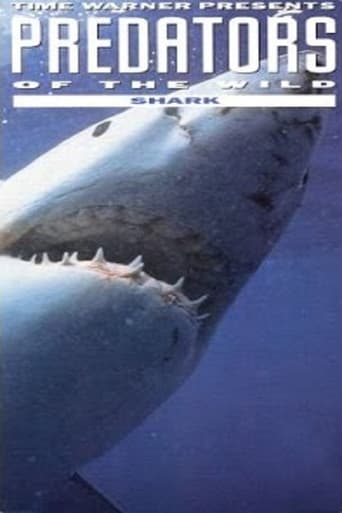
From the Discovery Channel comes the animal series Predators of the Wild. Shot on location, footage provides viewers an up-close look at some of the planet's most notorious beasts. The episode Sharks transports viewers to the undersea domain of these fearsome carnivorous creatures. See great whites, makos, and hammerheads and learn why they do what they do. Informative as well as entertaining, this video also addresses serious conservation and animal preservation issues.
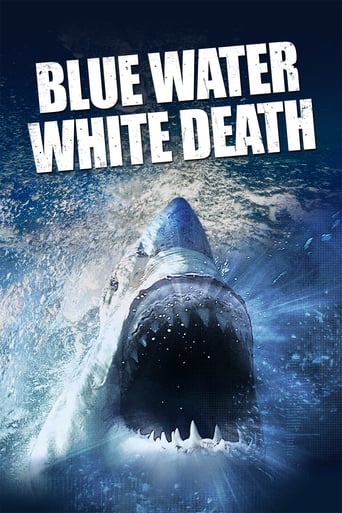
Peter Gimbel and a team of photographers set out on an expedition to find and film, for the very first time, Carcharodon carcharias—the Great White Shark. The expedition lasted over nine months and took the team from Durban, South Africa, across the Indian Ocean, and finally to southern Australia.