

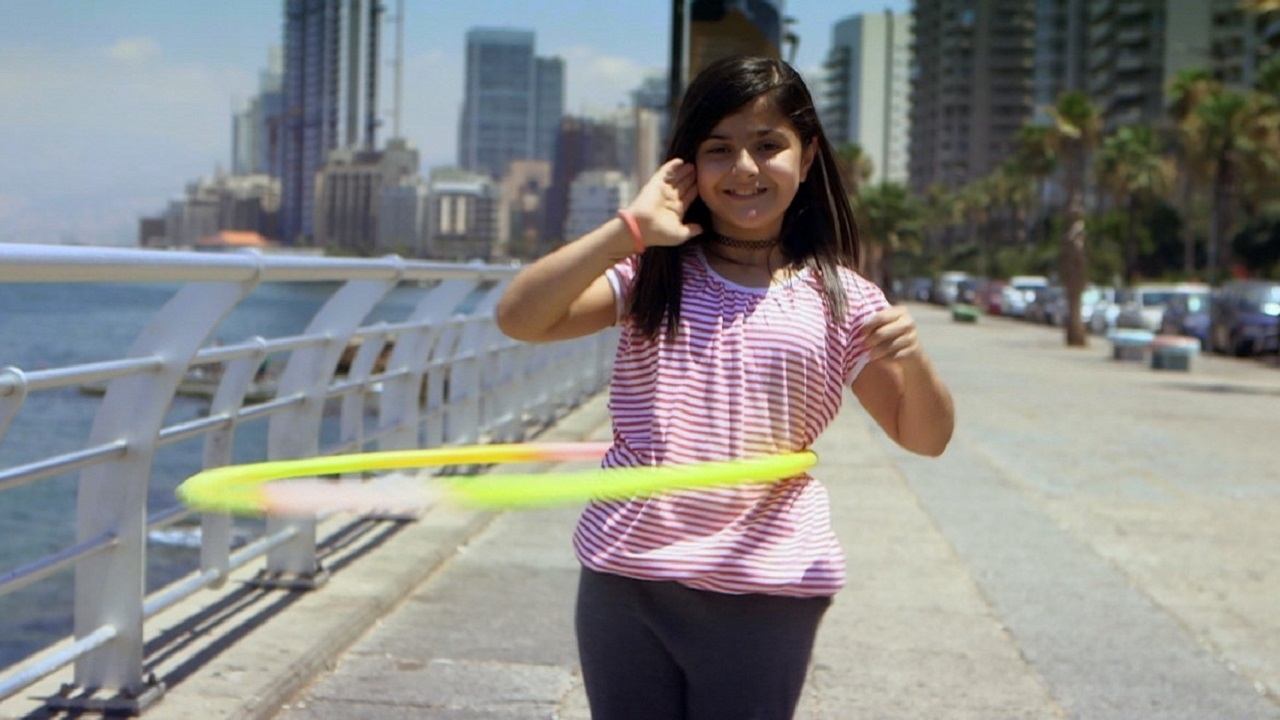
Spotlight on Merna
Documentary
Overview
Taking part in The Voice Kids is already quite something, but for 11-year-old Merna it’s really something special. Her parents had to flee Iraq because they are part of the Christian minority, and IS was threatening to kidnap Merna. They now live in Lebanon, where one in three people is a refugee. The family has been waiting for two years for permission to move on. FaceTiming with her older sister, who stayed behind in Iraq, and cooking her favorite dishes with her mother make the situation more bearable. But what also really helps is singing – this calms Merna and makes her less afraid. She used to sing only in church, but since The Voice her beautiful, melancholy voice touches everyone. Because of her status as a refugee, Merna isn’t allowed to attend the foreign performances with the other finalists, but she’s now a national celebrity in Lebanon.





No cast information.
Similar Movies

Storror Supertramps - Thailand is the first film of its kind. Seven friends take you on a thrilling feature length adventure, documenting their wild journey around South East Asia. Join some of the worlds favourite athletes on an incredible exploration into their world of fun, freedom and adventure. The boys push the limits of their comfort zone as they endure twenty-eight days with no plans, accommodation or money. What could possibly go wrong ?
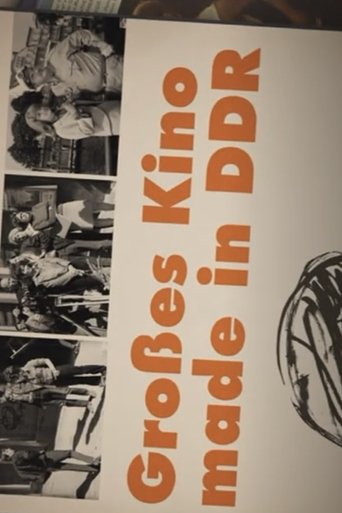
In 2016, DEFA celebrates its 70th anniversary: the film embarks on a journey into the exciting film history of the GDR. In a comprehensive kaleidoscope, the importance of DEFA productions is illuminated, the relevance of the films as propaganda productions for the GDR, which socio-political themes were in the foreground, but also which heroes DEFA brought to the screen and celebrated as people from the people.

In 1967, de Andrade was invited by the Italian company Olivetti to produce a documentary on the new Brazilian capital city of Brasília. Constructed during the latter half of the 1950s and founded in 1960, the city was part of an effort to populate Brazil’s vast interior region and was to be the embodiment of democratic urban planning, free from the class divisions and inequalities that characterize so many metropolises. Unsurprisingly, Brasília, Contradições de uma Cidade Nova (Brasília, Contradictions of a New City, 1968) revealed Brasília to be utopic only for the wealthy, replicating the same social problems present in every Brazilian city. (Senses of Cinema)
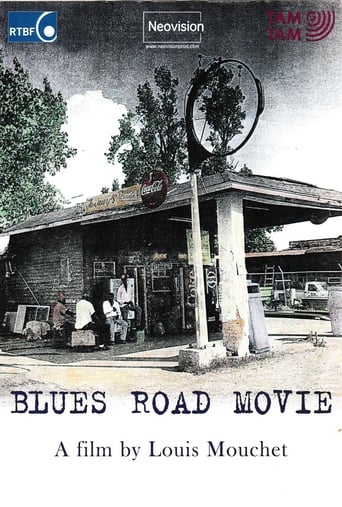
This film traces the road of the Blues and takes us on a journey to mythical places: From the banks of the Niger to New Orleans, going up the Mississippi through Memphis to the skyscrapers of Chicago. It tells the story of this culture which faced the worst barriers and shows that Humanity can overcome barbarity.
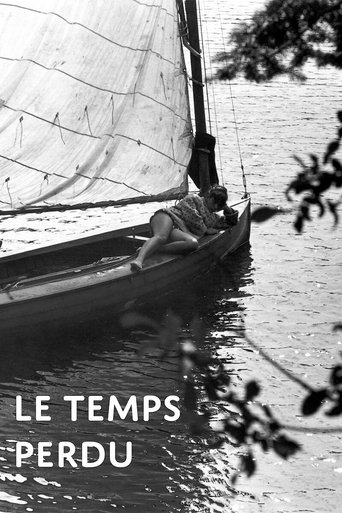
A 16 year old girl recalls the last moments of her summer vacation, spent with friends in the Laurentians north of Montreal. She reminisces about their talks on life, death, love, and God. Shot in direct cinema style, working from a script that left room for the teenagers to improvise and express their own thoughts, the film sought to capture the immediacy of the youths presence their bodies, their language, their environment.
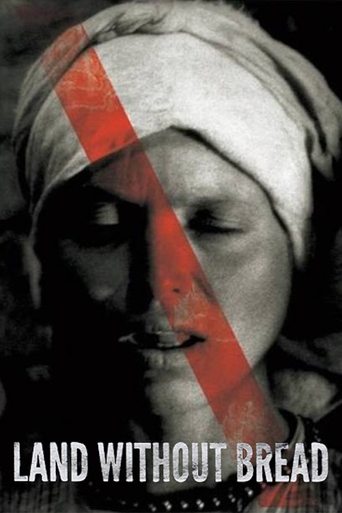
An exploration —manipulated and staged— of life in Las Hurdes, in the province of Cáceres, in Extremadura, Spain, as it was in 1932. Insalubrity, misery and lack of opportunities provoke the emigration of young people and the solitude of those who remain in the desolation of one of the poorest and least developed Spanish regions at that time.