


Olympia 1936. Der verratene Traum
Documentary
Overview
The film chronicles the story of how the Nazis and the IOC turned, to their mutual benefit, a small sports event into the modern Olympics. The grand themes and controversial issues from the 1936 Games have continued to this day: Monumentality, budget overruns, collusion with authoritarian regimes, corruption and sometimes even bribery.
Top Cast
Joseph Prammer
Theodor Deutsch

Antonia Moretti
Judith Deutsch

Mercedes Echerer
Narrator

Helen Barke
Swimmer
Sebastian Pass
Zsigo Wertheimer
Hillevi Hofmann
Rachel Deutsch
Alessandra Dietzel
Swimmer
Theresa Adelmann
Swimmer
Anastasia Bandini
Swimmer
Katharina Beranel
Swimmer
Sonja Horak
Swimmer
Maximilian Keresztesy
Fotograf







Joseph Prammer
Joseph Prammer
Theodor Deutsch
Joseph Prammer
Theodor Deutsch
Antonia Moretti
Antonia Moretti
Judith Deutsch
Antonia Moretti
Judith Deutsch
Mercedes Echerer
Mercedes Echerer
Narrator
Mercedes Echerer
Narrator
Helen Barke
Helen Barke
Swimmer
Helen Barke
Swimmer
Sebastian Pass
Sebastian Pass
Zsigo Wertheimer
Sebastian Pass
Zsigo Wertheimer
Hillevi Hofmann
Hillevi Hofmann
Rachel Deutsch
Hillevi Hofmann
Rachel Deutsch
Alessandra Dietzel
Alessandra Dietzel
Swimmer
Alessandra Dietzel
Swimmer
Theresa Adelmann
Theresa Adelmann
Swimmer
Theresa Adelmann
Swimmer
Anastasia Bandini
Anastasia Bandini
Swimmer
Anastasia Bandini
Swimmer
Katharina Beranel
Katharina Beranel
Swimmer
Katharina Beranel
Swimmer
Similar Movies

Universally recognized as the greatest female skier ever, Lindsey Vonn went on a remarkable journey that was defined by unexpected twists and turns and dramatic peaks and valleys in its final chapter. LINDSEY VONN: THE FINAL SEASON intimately recounts the iconic skier’s last competitive campaign while looking back on her transcendent career, from child prodigy to decorated Olympian to global superstar.
24 hours at the Berlin traffic accident standby service. The frequency of accidents on the streets of the capital of the German Democratic Republic (GDR) becomes apparent, including inappropriate and increased speed, pedestrian errors, failure to give way and driving under the influence of alcohol. Major Busse, the head of the Berlin Traffic Accident Investigation Unit, raises the question of whether the GDR has developed its own kind of driving. The camera provides interesting insights into the carelessness and aggressiveness of road users, which can lead to serious injuries and deaths
When Allied forces liberated the Nazi concentration camps in 1944-45, their terrible discoveries were recorded by army and newsreel cameramen, revealing for the first time the full horror of what had happened. Making use of British, Soviet and American footage, the Ministry of Information’s Sidney Bernstein (later founder of Granada Television) aimed to create a documentary that would provide lasting, undeniable evidence of the Nazis’ unspeakable crimes. He commissioned a wealth of British talent, including editor Stewart McAllister, writer and future cabinet minister Richard Crossman – and, as treatment advisor, his friend Alfred Hitchcock. Yet, despite initial support from the British and US Governments, the film was shelved, and only now, 70 years on, has it been restored and completed by Imperial War Museums under its original title "German Concentration Camps Factual Survey".
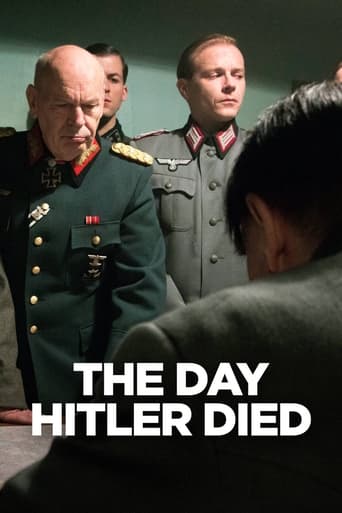
The story of Hitler’s final hours told by people who were there. This special features exclusive forgotten interviews, believed lost for 65 years, with members of Hitler’s inner circle who were trapped with him in his bunker as the Russians fought to take Berlin. These unique interviews from figures such as the leader of the Hitler Youth Artur Axmann and Hitler’s secretary Traudl Junge, have never before been seen outside Germany. Using rarely seen archive footage and dramatic reconstruction, this special tells the story of Adolf Hitler’s final days in his Berlin bunker.

This powerful and thought provoking film chronicles the compelling events in the Pacific Theater of WWII, from the bombing of Pearl Harbor in 1941 to the American occupation of Japan in 1945. It depicts the strength and courage of America's youth, while examining how these men and women dealt with being thrust into this brutal war. The film includes interviews with war veterans, both American and Japanese, from all branches of the military. It features testimony from medics, nurses, dog handlers, as well as Japanese-Americans who were imprisoned at internment camps in the United States. The film also includes a first hand account of the tragic impact of the atomic bomb on Japanese citizens. Among the veterans who appear is Zenji Abe, a Japanese veteran who flew the mission to bomb Pearl Harbor, and retired General Paul Tibbets who flew the mission to bomb Hiroshima.