

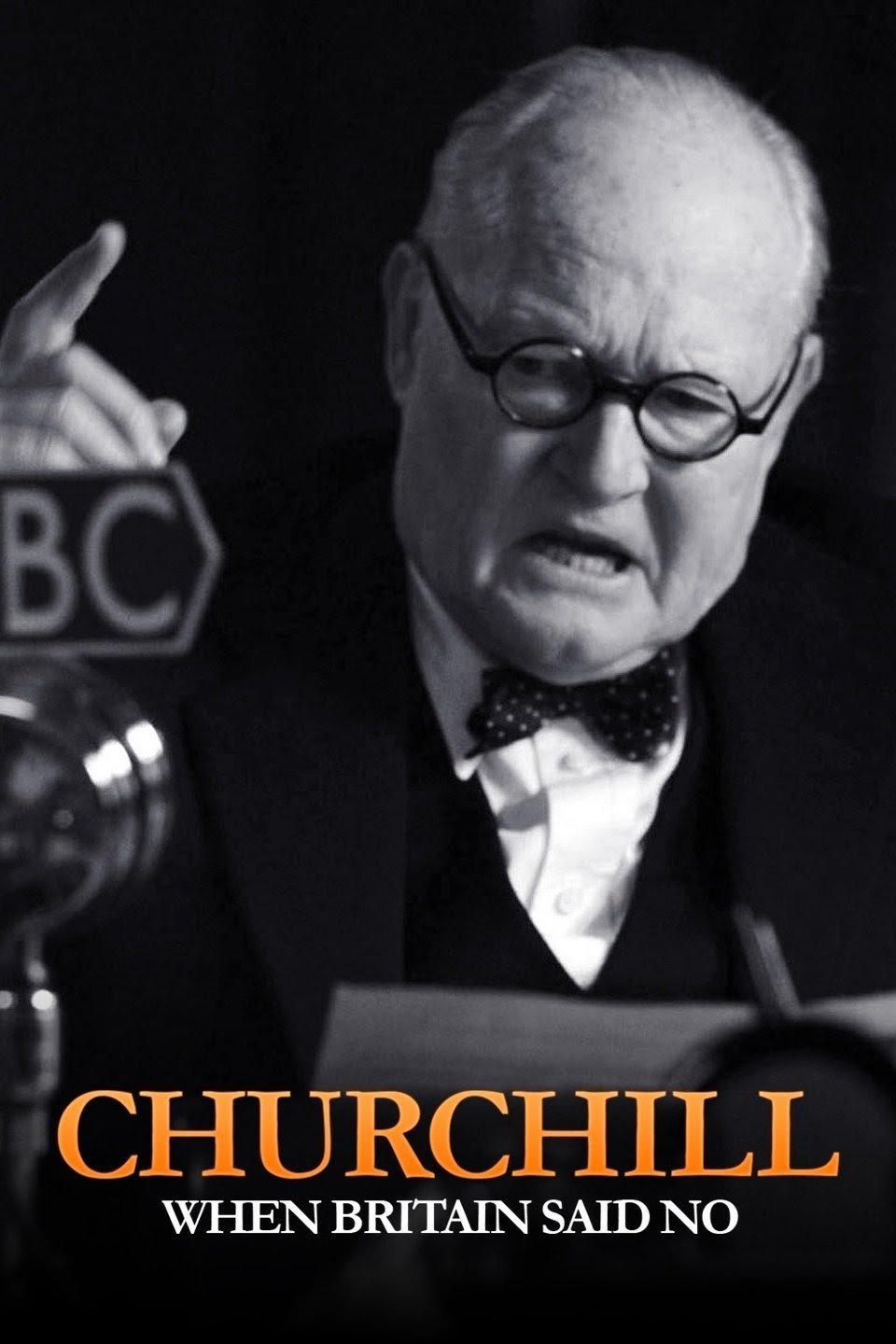
Churchill: When Britain Said No
Documentary
Overview
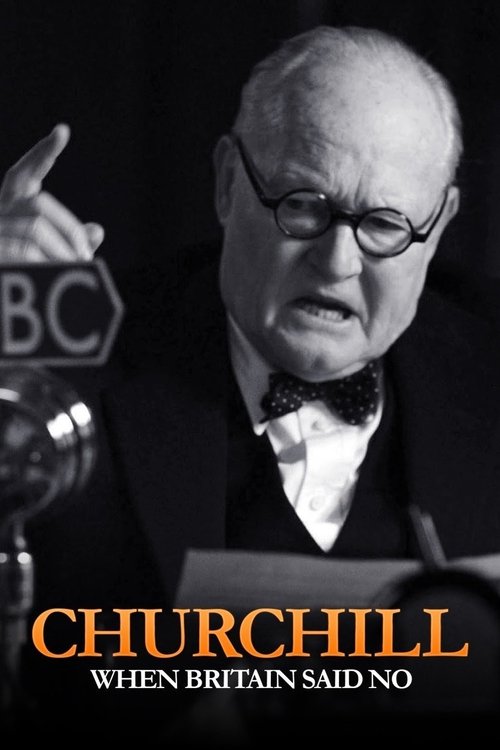
Documentary which examines the reasons why Winston Churchill and the Conservative Party lost the General Election of 1945, after Churchill had just led the country to victory in the World War II.




Paul McGann
Paul McGann
Narrator (voice)
Paul McGann
Narrator (voice)
Christian Rodska
Christian Rodska
Winston Churchill
Christian Rodska
Winston Churchill
Victoria Lennox
Victoria Lennox
Clemmie
Victoria Lennox
Clemmie
Imogen Rose
Imogen Rose
Mary
Imogen Rose
Mary
Stephen Churchett
Stephen Churchett
Lord Moran
Stephen Churchett
Lord Moran
Valentine Pelka
Valentine Pelka
Alanbrooke
Valentine Pelka
Alanbrooke
Roy Weskin
Roy Weskin
Clement Attlee
Roy Weskin
Clement Attlee

Max Hastings
Max Hastings
Himself
Max Hastings
Himself

Juliet Gardiner
Juliet Gardiner
Herself
Juliet Gardiner
Herself
David Douglass
David Douglass
Himself
David Douglass
Himself
Similar Movies
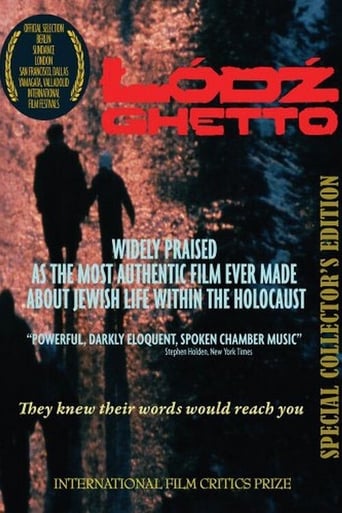
The Polish city of Łódź was under Nazi occupation for nearly the entirety of WWII. The segregation of the Jewish population into the ghetto, and the subsequent horrors are vividly chronicled via newsreels and photographs. The narration is taken almost entirely from journals and diaries of those who lived–and died–through the course of the occupation, with the number of different narrators diminishing as the film progresses, symbolic of the death of each narrator.
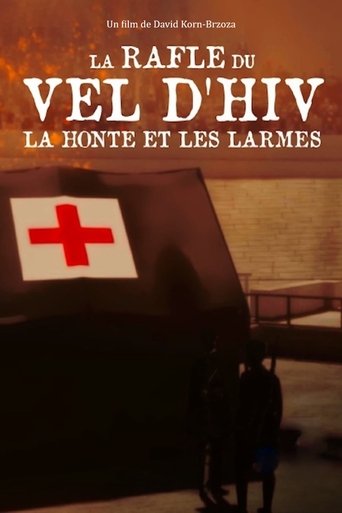
In 1942, more than 8,000 Jews were arrested on 16 and 17 July and sent to the Vélodrome d'Hiver sports center in the 15th district, a stone's throw from the Eiffel Tower, before being deported. The expression "Vel d'Hiv round-up" has become part of our collective memory, to the point of becoming the main memorial reference point for France during the dark years. Based on research carried out in unpublished or rarely explored archives, this film retraces the history of this roundup as experienced by hunted Jews and police trackers, from its planning in the Vichy offices to its hour-by-hour unfolding in the streets of Paris.
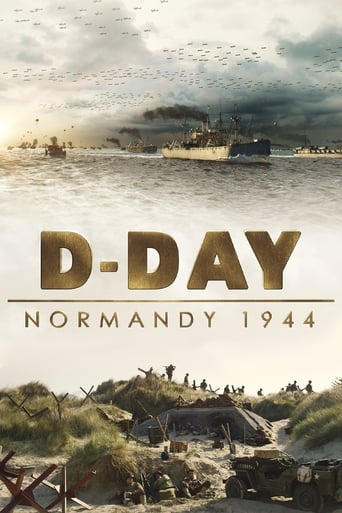
June 6, 1944: The largest Allied operation of World War II began in Normandy, France. Yet, few know in detail exactly why and how, from the end of 1943 through August 1944, this region became the most important location in the world. Blending multiple cinematographic techniques, including animation, CGI and stunning live-action images, “D-Day: Normandy 1944” brings this monumental event to the world’s largest screens for the first time ever. Audiences of all ages, including new generations, will discover from a new perspective how this landing changed the world. Exploring history, military strategy, science, technology and human values, the film will educate and appeal to all. Narrated by Tom Brokaw, “D-Day: Normandy 1944” pays tribute to those who gave their lives for our freedom… A duty of memory, a duty of gratitude.
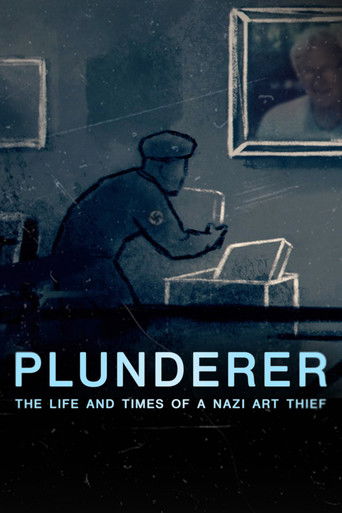
“It’s not every day that you meet an old Nazi.” So begins American historian Jonathan Petropoulos, recalling the day in 1998 when he met Bruno Lohse, who was Hermann Göring’s art agent in Paris during World War II. In this riveting account, Petropoulos details Lohse’s role in stealing countless masterpieces from prominent French and Dutch families, while evading meaningful punishment, and continuing to deal art profitably for most of the rest of his life. This explosively compelling tale calls the international art market to task for its continuing lack of regulation.
Produced by the Army Pictorial Service, Signal Corps, with the cooperation of the Army Air Forces and the United States Navy, and released by Warner Bros. for the War Activities Committee shortly after the surrender of Japan. Follow General Douglas MacArthur and his men from their exile from the Philippines in early 1942, through the signing of the instrument of surrender on the USS Missouri on September 1, 1945. Preserved by the Academy Film Archive in 2013.
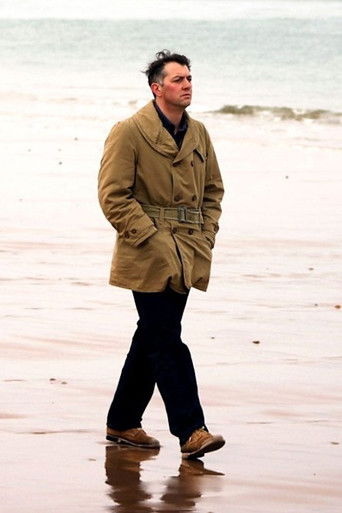
James Holland moves beyond the D-Day beaches to reassess the brutal 77-day Battle for Normandy that followed the invasion. Challenging some of the many myths that have grown up around this vital campaign, Holland argues that we have become too comfortable in our understanding of events, developing shorthand to tell this famous story that does great injustice to those that saw action in France across the summer of 1944.
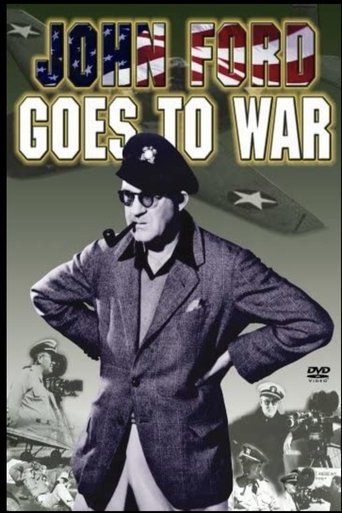
When World War II broke out, John Ford, in his forties, commissioned in the Naval Reserve, was put in charge of the Field Photographic Unit by Bill Donavan, director of the soon-to-be-OSS. During the war, Field Photo made at least 87 documentaries, many with Ford's signature attention to heroism and loss, and many from the point of view of the fighting soldier and sailor. Talking heads discuss Ford's life and personality, the ways that the war gave him fulfillment, and the ways that his war films embodied the same values and conflicts that his Hollywood films did. Among the films profiled are "Battle of Midway," "Torpedo Squadron," "Sexual Hygiene," and "December 7."