


Little Rose
History · Drama · Romance
Overview
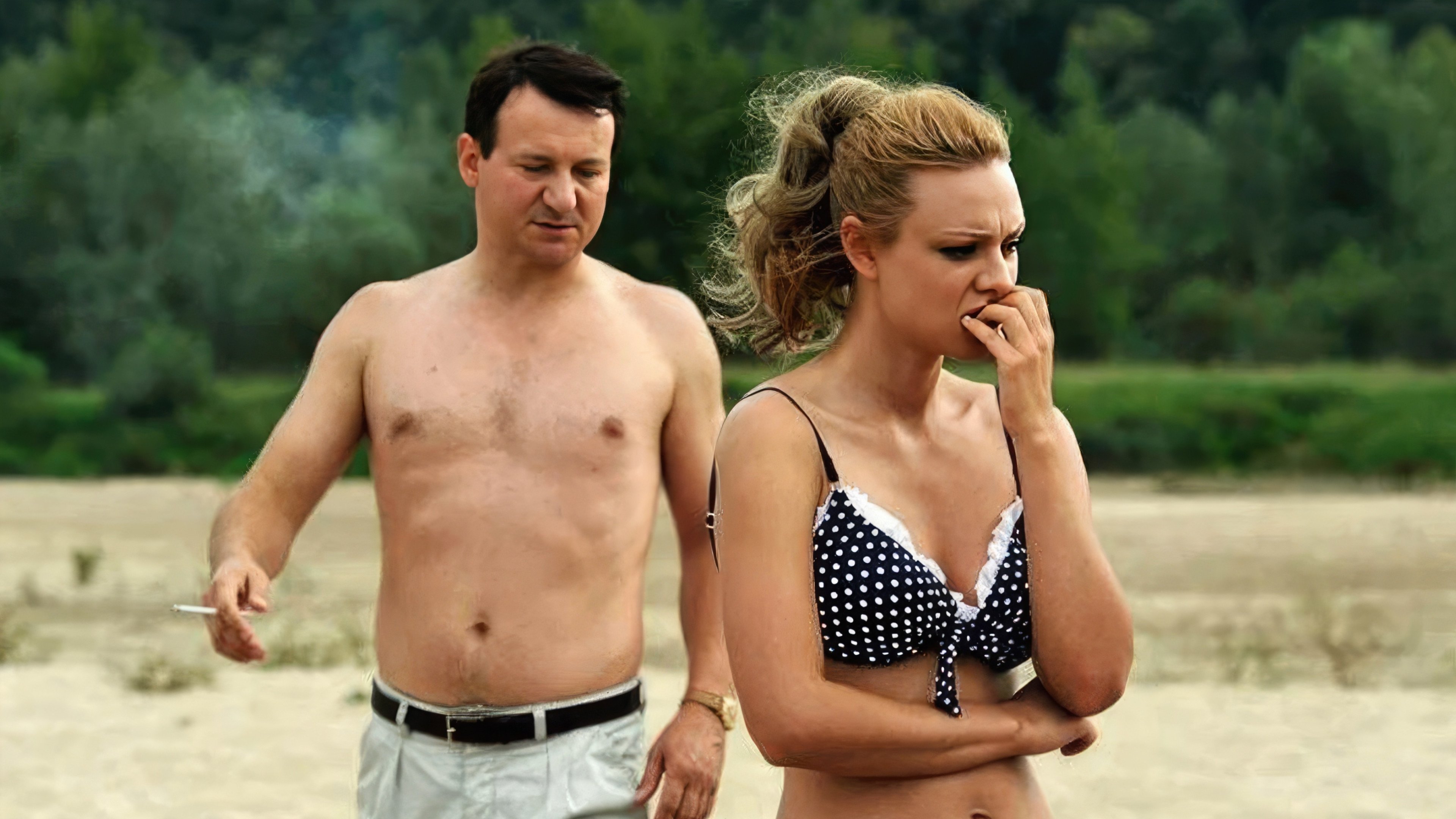
Pressured by his superiors to disgrace public intellectual Warczewski, a professor and respected writer whom they believe to be a "camouflaged Zionist," rough security-services colonel Rozek enlists his sexy but naive girlfriend, Kamila, to insinuate herself into the distinguished older man's life and report on his every move. Not particularly interested in serving communism but eager to please her domineering lover, Kamila accepts the mission, reporting under the code name "Little Rose." As quick scenes contrast Kamila's crude pleasures with Rozek and her more refined experiences with Warczewski, it becomes clear that the more time the unschooled young woman spends with the professor, the more she comes to have true feelings for him.
Top Cast
Andrzej Seweryn
Adam Warczewski

Magdalena Boczarska
Kamila Sakowicz
Robert Więckiewicz
Roman Rozek
Jacek Braciak
SB Officer

Grażyna Szapołowska
Roma Żarska

Jan Frycz
Pułkownik Wasiak

Izabela Olszewska
Wajnerowa
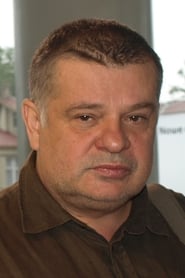
Krzysztof Globisz
Literat
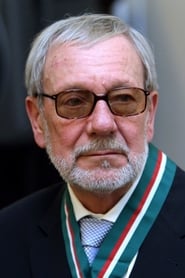
Jerzy Kamas
Prezes PEN-Clubu
Władysław Kowalski
Aktor w "Dziadach"
Julia Kornacka
Dorotka
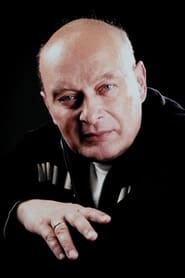
Aleksander Bednarz
Prorektor Uniwersytetu Warszawskiego






Andrzej Seweryn
Andrzej Seweryn
Adam Warczewski
Andrzej Seweryn
Adam Warczewski
Magdalena Boczarska
Magdalena Boczarska
Kamila Sakowicz
Magdalena Boczarska
Kamila Sakowicz
Robert Więckiewicz
Robert Więckiewicz
Roman Rozek
Robert Więckiewicz
Roman Rozek
Jacek Braciak
Jacek Braciak
SB Officer
Jacek Braciak
SB Officer
Grażyna Szapołowska
Grażyna Szapołowska
Roma Żarska
Grażyna Szapołowska
Roma Żarska
Jan Frycz
Jan Frycz
Pułkownik Wasiak
Jan Frycz
Pułkownik Wasiak
Izabela Olszewska
Izabela Olszewska
Wajnerowa
Izabela Olszewska
Wajnerowa
Krzysztof Globisz
Krzysztof Globisz
Literat
Krzysztof Globisz
Literat
Jerzy Kamas
Jerzy Kamas
Prezes PEN-Clubu
Jerzy Kamas
Prezes PEN-Clubu
Władysław Kowalski
Władysław Kowalski
Aktor w "Dziadach"
Władysław Kowalski
Aktor w "Dziadach"
Similar Movies
Based on the true story of a Russian serial killer who, over many years, claimed victim to over 50 people. His victims were mostly under the age of 17. In what was then a communists state, the police investigations were hampered by bureaucracy, incompetence and those in power. The story is told from the viewpoint of the detective in charge of the case.
Seibei Iguchi leads a difficult life as a low ranking samurai at the turn of the nineteenth century. A widower with a meager income, Seibei struggles to take care of his two daughters and senile mother. New prospects seem to open up when the beautiful Tomoe, a childhood friend, comes back into he and his daughters' life, but as the Japanese feudal system unravels, Seibei is still bound by the code of honor of the samurai and by his own sense of social precedence. How can he find a way to do what is best for those he loves?
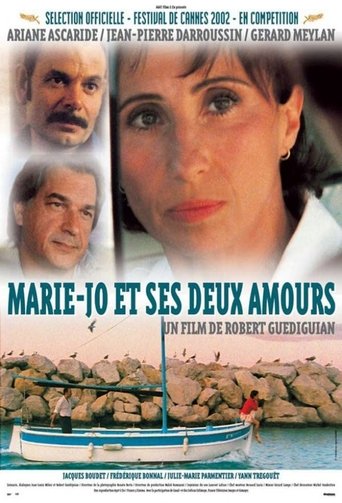
Marie-Jo is a middleaged woman living an ordinary life in Marseilles with her husband, Daniel and her daughter, Julie. Daniel runs a small construction business in which Marie-Jo helps. She also works at the local hospital. Outwardly their marriage is loving. But Marie-Jo has been in love with another man for more than twelve months.Marco works as a harbour pilot and is deeply in love with Marie-Jo. Learning that loving two men is impossible, Marie-Jo is forced to make a choice.

In 1979 Cuba, flamboyant gay artist Diego attempts to seduce straitlaced David, an idealistic young communist, and fails dismally. But David conspires to be "friends" with Diego so he can monitor the artist's subversive life for the state. As Diego and David discuss politics, individuality and personal expression in Castro's Cuba, a genuine friendship develops between the two.
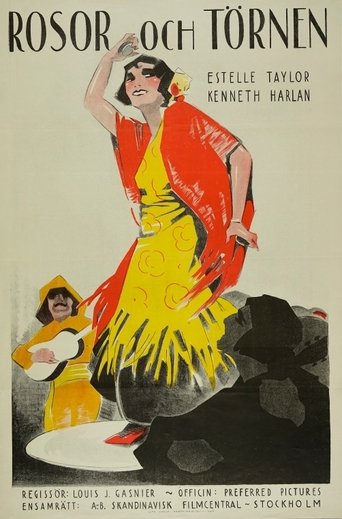
While in Spain Alan Randolph falls for famed singer Rosita Mendez, but when he goes back to Louisiana, he returns to his fiancée Violet Beaton. On an American tour Rosita discovers Alan has married Violet. Consumed with jealousy she threatens to kill him with a revolver and in the scuffle is wounded. Full of vengeance Rosita has him jailed for five years. Suddenly contrite she then outlines a plan of escape to Alan, but he refuses until destiny takes a hand.
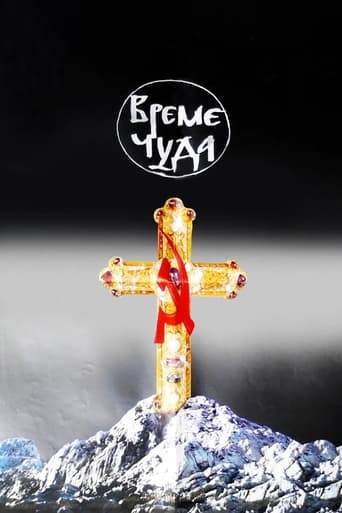
September 1945. The new communist authorities go into the church, hang the flag of the Party and paint over the old frescoes, but each time the frescoes miraculously return. A stranger comes to town and works miracles; the townsfolk are convinced he is the Messiah. Director Paskaljevic cut his TV miniseries, based on the novel by Borislav Pekic, to feature film length.
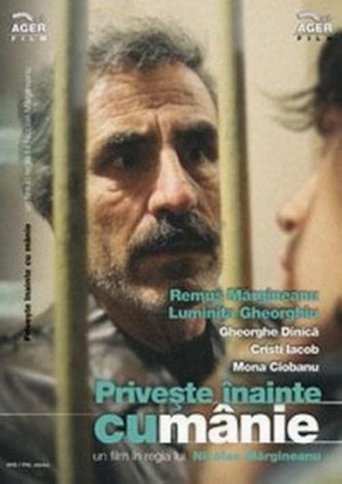
After the revolution of December 1989, Romania is in full transition. Incertainty and chaos have followed Ceausescu's downfall. Fane, a worker in a wharf on the river Danube, is a former dissident who was in involved in politically motivated uprisings. Now that he has achieved what he has fought for, he is unemployed and everything around him seems to fall to pieces. His whole family falls victim to the changes of the early 90s. His daughter prostitutes herself, his elder son ends up in prison and his younger son becomes a thief.