

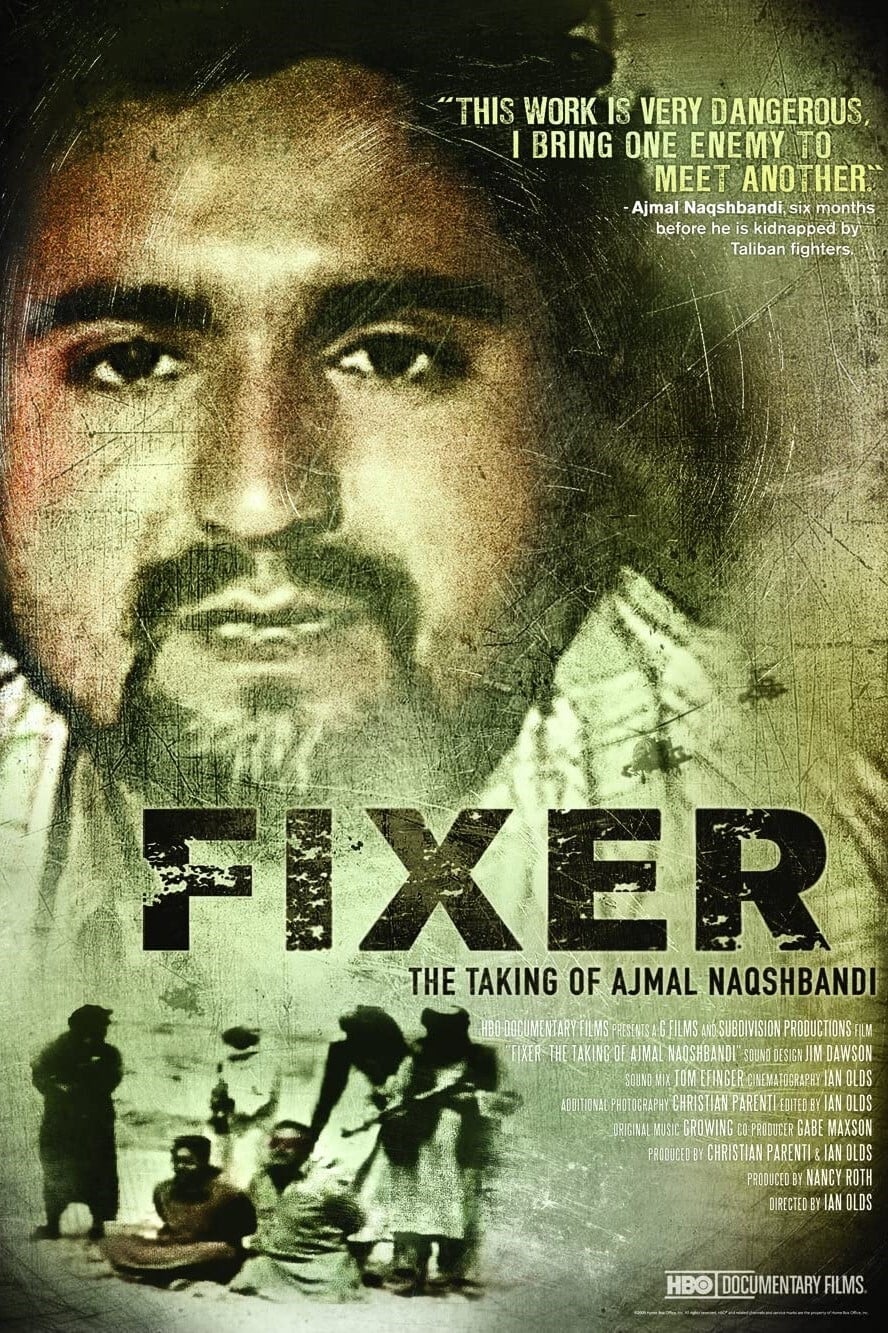
Fixer: The Taking of Ajmal Naqshbandi
Documentary
Overview
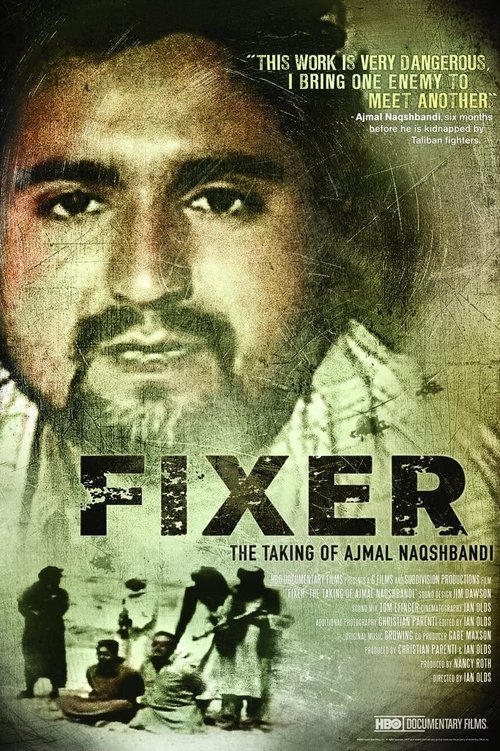
In 2007, the Taliban kidnapped 24-year-old Ajmal Naqshbandi and an Italian journalist. Naqshbandi was one of Afghanistan's best "fixers" -- someone hired by foreign journalists to facilitate, translate, and gain access for their stories.





No cast information.
Similar Movies
At the peak of her immense popularity in the 1920s, evangelist Aimee Semple McPherson was drawing larger crowds to her revivals than those of P.T. Barnum or Harry Houdini. This chapter of "American Experience" paints a vivid portrait of the controversial and charismatic religious figure. Credited with mainstreaming religion in American culture, Sister Aimee created one of the country's first Christian radio stations, among other accomplishments.
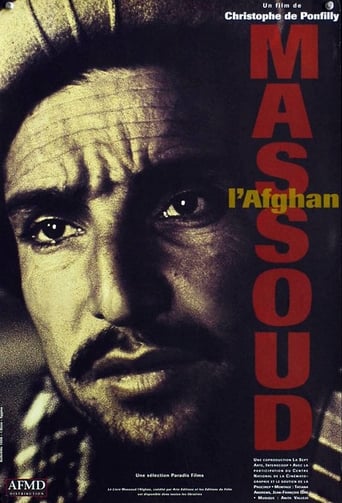
The friendship between Christophe de Ponfilly and Commander Massoud, a legendary figure of the Afghan resistance against the Soviet invader, goes back to the filmmaker's first film, "A Valley Against an Empire", made in 1981. Fifteen years later, weakened, isolated, betrayed by many of his own, the "Lion of Panshir" has not surrendered to his new and implacable enemies, the Taliban. While preparing his next offensive, he evokes his commitment and his fights, and bears witness to a history in which he has been one of the main actors for twenty years. At the same time, the director questions the role and power of the media, as well as his own approach as a filmmaker. Commander Massoud was killed in an attack in September 2001.
A group of teenagers from Flint, Michigan filmed themselves kidnapping and terrorizing a new acquaintance, before taking her out to a woods and dumping her in a shallow grave. They then taunted their terrified and blindfolded victim asking if she had any last requests before they cut her throat. But was the kidnap real or just a game? Three days later the tape was in the hands of the police and the 5 teenager friends were in custody facing life imprisonment. This program talks to the people at the heart of this story - including two of the defendants - in an attempt to understand what really happened in the woods around Flint last year. It also screens the video of the 'abduction'. What is revealed is an extraordinary and disturbing record of a night when something went terribly, terribly wrong.
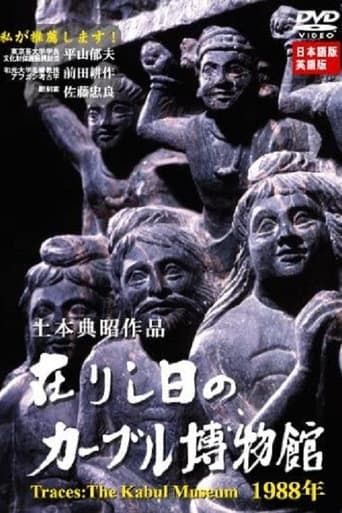
The Kabul National Museum, once known as the "face of Afghanistan," was destroyed in 1993. We filmed the most important cultural treasures of the still-intact museum in 1988: ancient Greco-Roman art and antiquitied of Hellenistic civilization, as well as Buddhist sculpture that was said to have mythology--the art of Gandhara, Bamiyan, and Shotorak among them. After the fall of the Democratic Republic of Afghanistan in 1992, some seventy percent of the contents of the museum was destroyed, stolen, or smuggled overseas to Japan and other countries. The movement to return these items is also touched upon. The footage in this video represents that only film documentation of the Kabul Museum ever made.
"No Book This Year" tells the story of Yalda, a former staff member of Afghanistan's booth at the Frankfurt Book Fair. Years after the booth's closure, Yalda takes it upon herself to independently relaunch Afghanistan's presence at the fair. Despite numerous challenges and obstacles, her unwavering determination to showcase Afghan literature and culture shines through, illustrating the resilience of the human spirit in preserving cultural heritage.
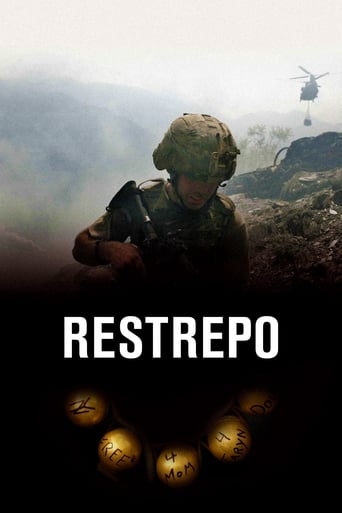
Directors Hetherington and Junger spend a year with the 2nd Battalion of the United States Army located in one of Afghanistan's most dangerous valleys. The documentary provides insight and empathy on how to win the battle through hard work, deadly gunfights and mutual friendships while the unit must push back the Taliban.
In the summer of 2001 the Taliban strategically captured 24 Shelter Now International Aid hostages that captured the attention of the world for more than three months. With representatives from the United States, Australia, Germany and Afghanistan, the Taliban set out to create an insurance policy against the pending attacks of September 11th. What transpired through their story was an overwhelming journey of faith, grace and endurance. Based on the true story as told by the captives, Kabul 24 captures the gantlet of their 105 days in captivity and the cruel treatment of the Muslim co-workers at the hands of the Taliban who accused them of converting to Christianity. Revisit their journey from the grueling interrogation to their sham "trial" before the Taliban Supreme Court, to the dangers endured during the bombing of Kabul and a crushing sense that the world had abandoned them.