

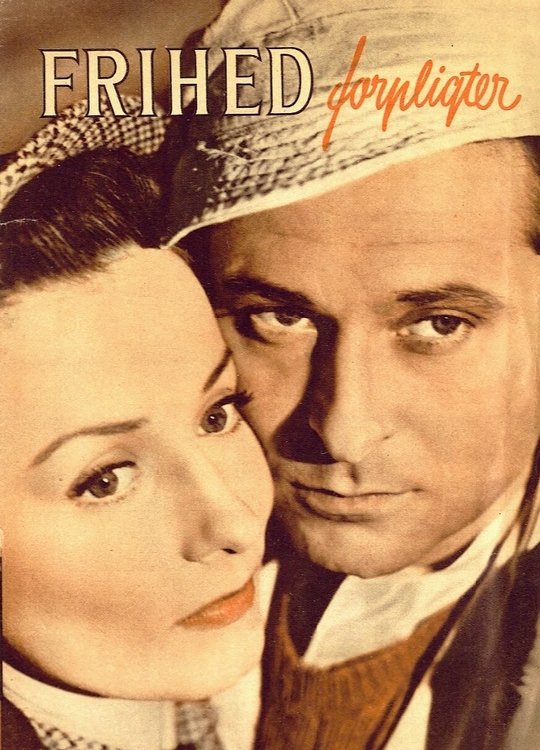
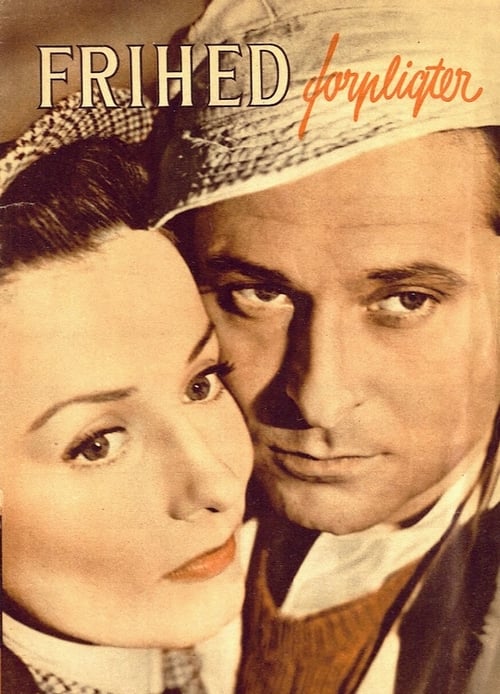
Frihed forpligter
History
Overview
Danish social democratic propaganda film. During the Occupation, the young freedom fighter Søren had a good working relationship with a comrade in the resistance movement, despite the fact that Søren was a social democrat and his comrade a communist. After the liberation in May 1945, the differences that had been less important during the war begin to stand in Søren's way. Both his friendship with his comrade and his relationship with the wealthy Inger fall apart in the summer of liberation. But through his work in the Social Democratic Party, Søren experiences a renewed enthusiasm and resumes his relationship with Inger. Together, they actively engage in the party's work and both see it as an extension of the struggle for freedom during the occupation. Denmark's entry into NATO is particularly important.
Top Cast

Inger Stender
Fru Hellsøe

Poul Reichhardt
Søren
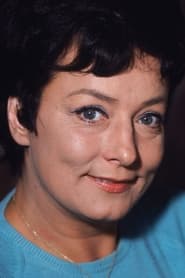
Lily Broberg
Inger
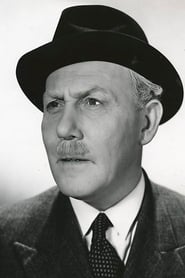
Sigurd Langberg
Grosserer Hellsøe
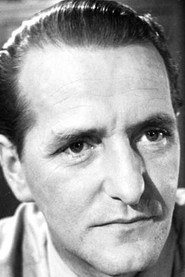
Preben Lerdorff Rye
Sørens kollega
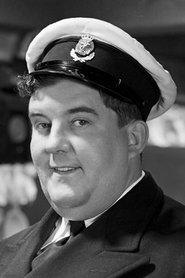
Ib Schønberg
Chr. Pedersen

Johannes Meyer
Sørens morfar
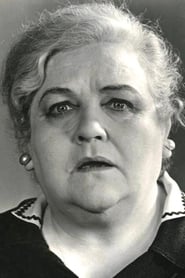
Elga Olga Svendsen
Fru fabriksarbejder Larsen
Aage Foss
Husmanden
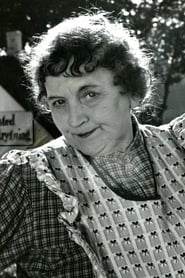
Helga Frier
Marie Pedersen
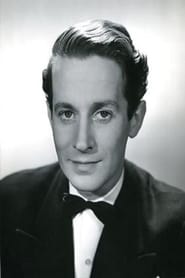
Karl Gustav Ahlefeldt
Arkitekten Karl
Bruno Tyron
Fabriksarbejder Chr. Larsen
Inger Stender
Inger Stender
Fru Hellsøe
Inger Stender
Fru Hellsøe
Poul Reichhardt
Poul Reichhardt
Søren
Poul Reichhardt
Søren
Lily Broberg
Lily Broberg
Inger
Lily Broberg
Inger
Sigurd Langberg
Sigurd Langberg
Grosserer Hellsøe
Sigurd Langberg
Grosserer Hellsøe
Preben Lerdorff Rye
Preben Lerdorff Rye
Sørens kollega
Preben Lerdorff Rye
Sørens kollega
Ib Schønberg
Ib Schønberg
Chr. Pedersen
Ib Schønberg
Chr. Pedersen
Johannes Meyer
Johannes Meyer
Sørens morfar
Johannes Meyer
Sørens morfar
Elga Olga Svendsen
Elga Olga Svendsen
Fru fabriksarbejder Larsen
Elga Olga Svendsen
Fru fabriksarbejder Larsen
Aage Foss
Aage Foss
Husmanden
Aage Foss
Husmanden
Helga Frier
Helga Frier
Marie Pedersen
Helga Frier
Marie Pedersen
Similar Movies
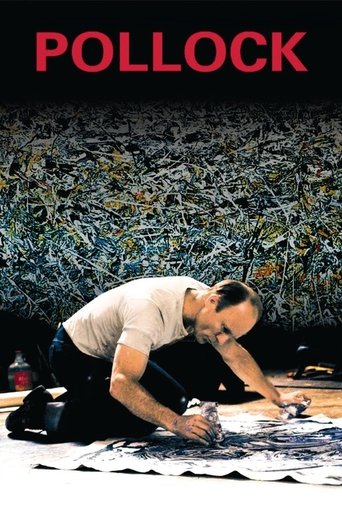
In August of 1949, Life Magazine ran a banner headline that begged the question: "Jackson Pollock: Is he the greatest living painter in the United States?" The film is a look back into the life of an extraordinary man, a man who has fittingly been called "an artist dedicated to concealment, a celebrity who nobody knew." As he struggled with self-doubt, engaging in a lonely tug-of-war between needing to express himself and wanting to shut the world out, Pollock began a downward spiral.
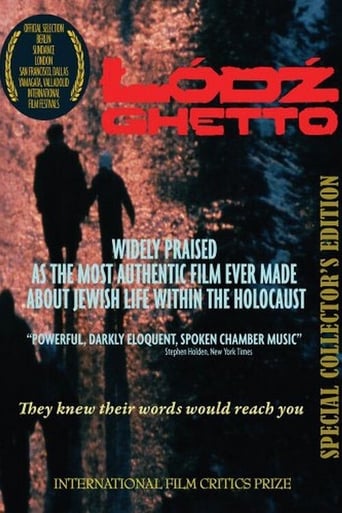
The Polish city of Łódź was under Nazi occupation for nearly the entirety of WWII. The segregation of the Jewish population into the ghetto, and the subsequent horrors are vividly chronicled via newsreels and photographs. The narration is taken almost entirely from journals and diaries of those who lived–and died–through the course of the occupation, with the number of different narrators diminishing as the film progresses, symbolic of the death of each narrator.
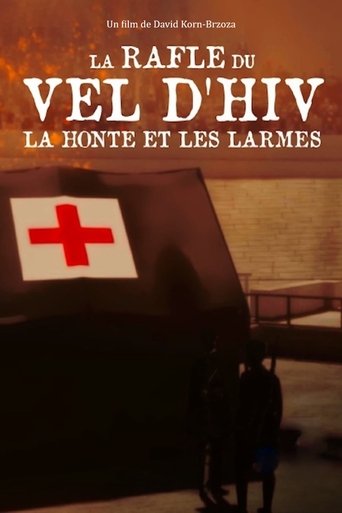
In 1942, more than 8,000 Jews were arrested on 16 and 17 July and sent to the Vélodrome d'Hiver sports center in the 15th district, a stone's throw from the Eiffel Tower, before being deported. The expression "Vel d'Hiv round-up" has become part of our collective memory, to the point of becoming the main memorial reference point for France during the dark years. Based on research carried out in unpublished or rarely explored archives, this film retraces the history of this roundup as experienced by hunted Jews and police trackers, from its planning in the Vichy offices to its hour-by-hour unfolding in the streets of Paris.
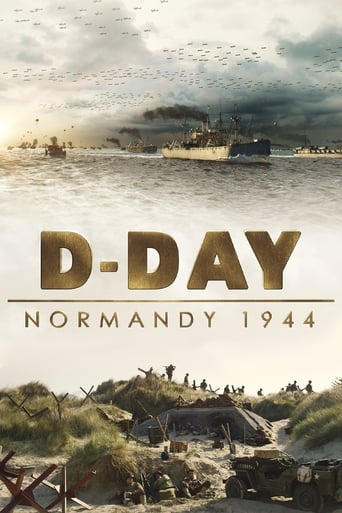
June 6, 1944: The largest Allied operation of World War II began in Normandy, France. Yet, few know in detail exactly why and how, from the end of 1943 through August 1944, this region became the most important location in the world. Blending multiple cinematographic techniques, including animation, CGI and stunning live-action images, “D-Day: Normandy 1944” brings this monumental event to the world’s largest screens for the first time ever. Audiences of all ages, including new generations, will discover from a new perspective how this landing changed the world. Exploring history, military strategy, science, technology and human values, the film will educate and appeal to all. Narrated by Tom Brokaw, “D-Day: Normandy 1944” pays tribute to those who gave their lives for our freedom… A duty of memory, a duty of gratitude.
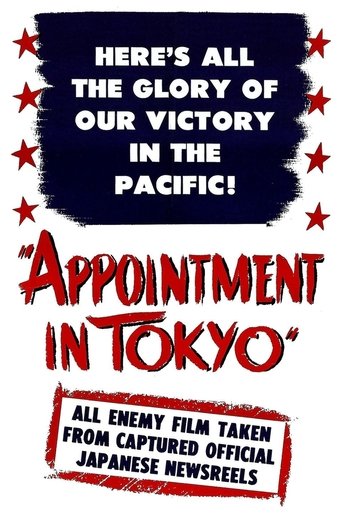
Produced by the Army Pictorial Service, Signal Corps, with the cooperation of the Army Air Forces and the United States Navy, and released by Warner Bros. for the War Activities Committee shortly after the surrender of Japan. Follow General Douglas MacArthur and his men from their exile from the Philippines in early 1942, through the signing of the instrument of surrender on the USS Missouri on September 1, 1945. Preserved by the Academy Film Archive in 2013.
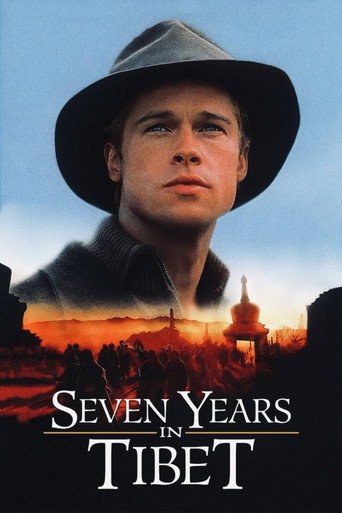
Austrian mountaineer Heinrich Harrer journeys to the Himalayas without his family to head an expedition in 1939. But when World War II breaks out, the arrogant Harrer falls into Allied forces' hands as a prisoner of war. He escapes with a fellow detainee and makes his way to Lhasa, Tibet, where he meets the 14-year-old Dalai Lama, whose friendship ultimately transforms his outlook on life.
In 1947, four German judges who served on the bench during the Nazi regime face a military tribunal to answer charges of crimes against humanity. Chief Justice Haywood hears evidence and testimony not only from lead defendant Ernst Janning and his defense attorney Hans Rolfe, but also from the widow of a Nazi general, an idealistic U.S. Army captain and reluctant witness Irene Wallner.
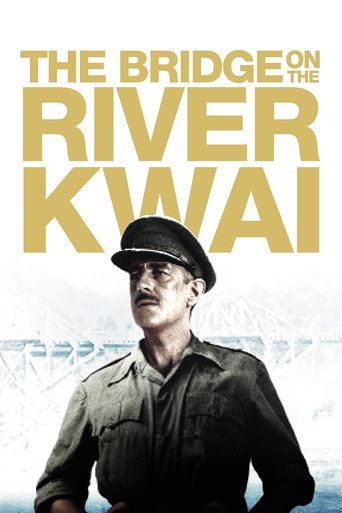
The classic story of English POWs in Burma forced to build a bridge to aid the war effort of their Japanese captors. British and American intelligence officers conspire to blow up the structure, but Col. Nicholson, the commander who supervised the bridge's construction, has acquired a sense of pride in his creation and tries to foil their plans.
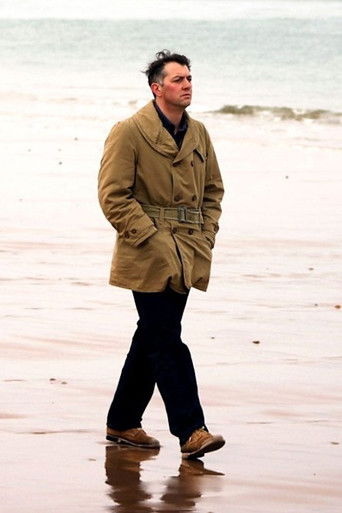
James Holland moves beyond the D-Day beaches to reassess the brutal 77-day Battle for Normandy that followed the invasion. Challenging some of the many myths that have grown up around this vital campaign, Holland argues that we have become too comfortable in our understanding of events, developing shorthand to tell this famous story that does great injustice to those that saw action in France across the summer of 1944.