

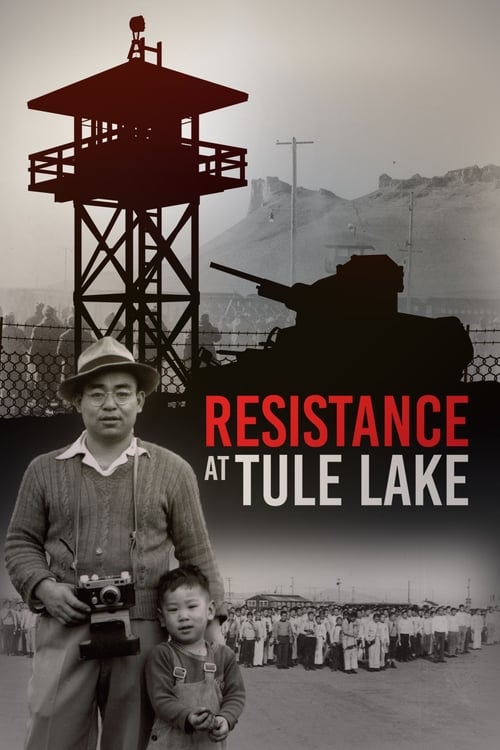
Resistance at Tule Lake
History · Documentary
Overview
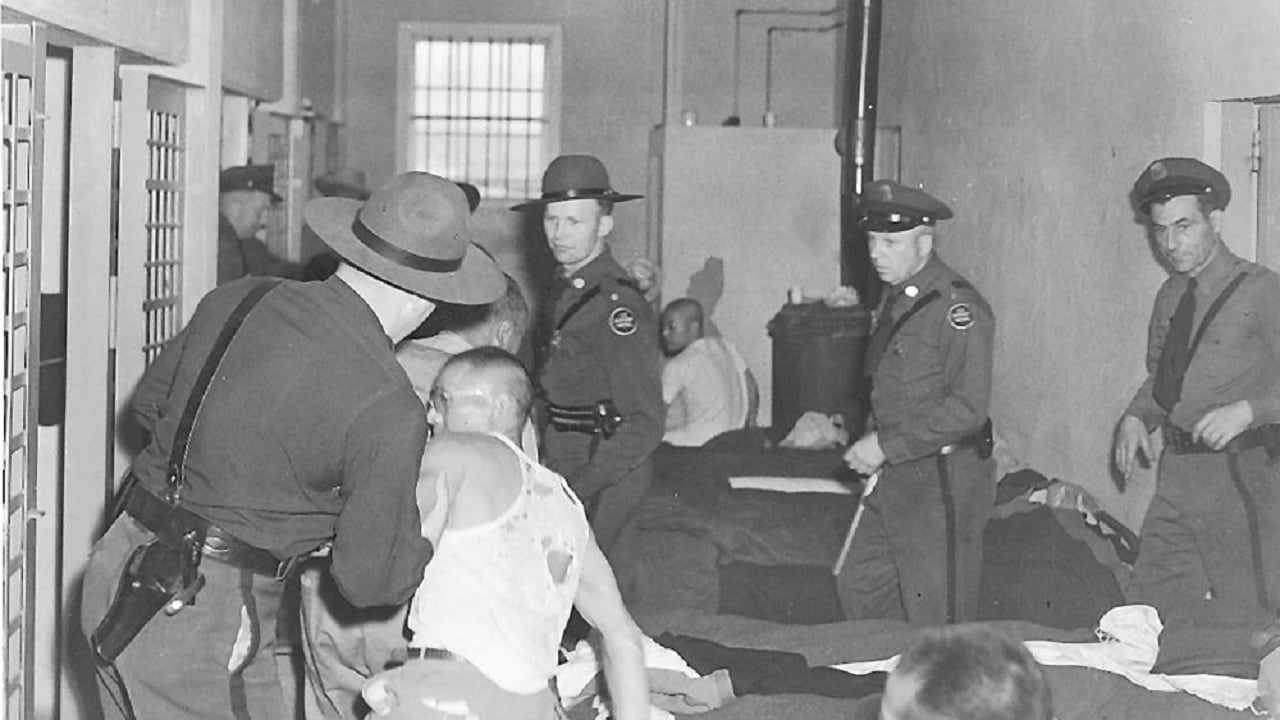
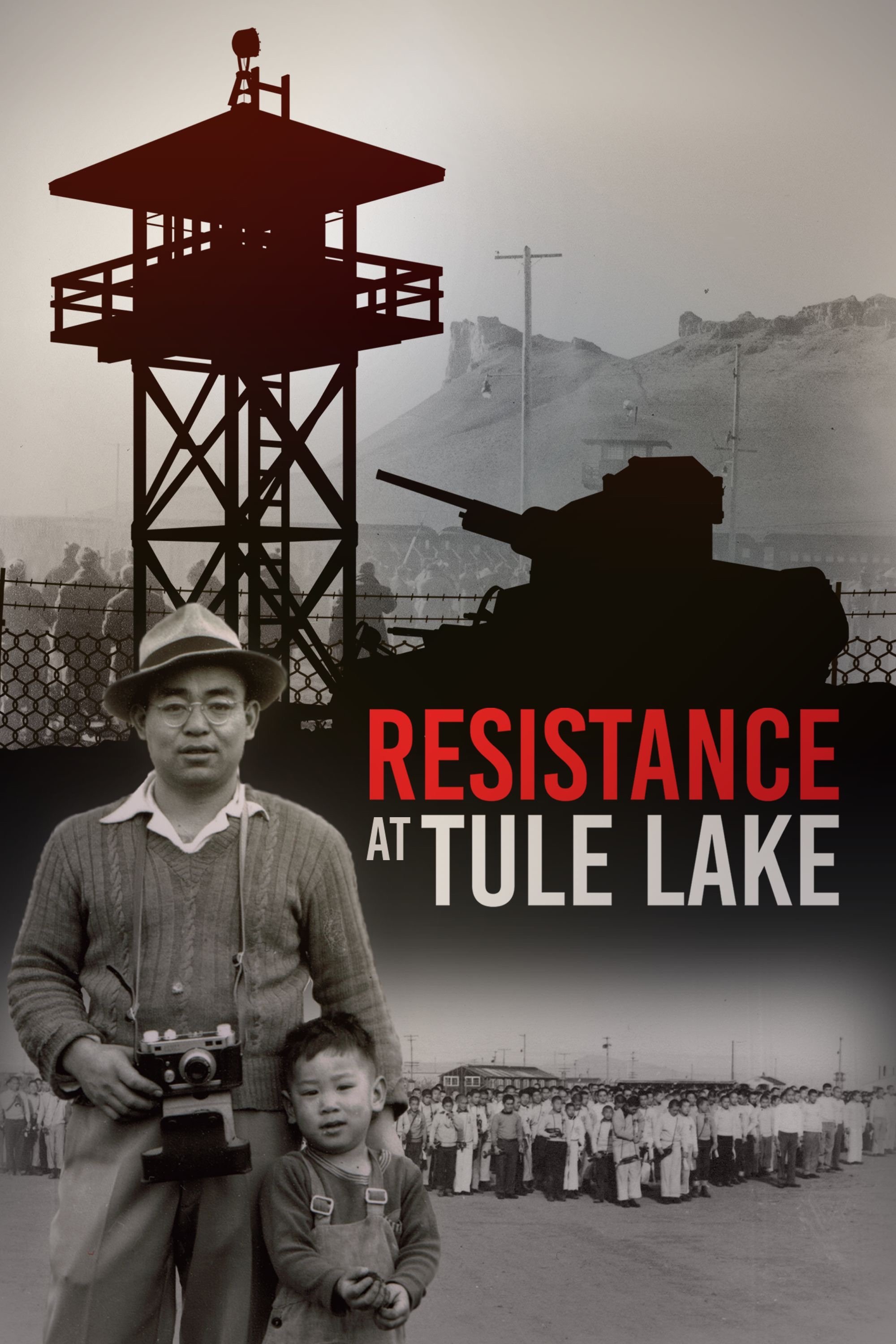
The long-suppressed story of 12,000 Japanese Americans who dared to resist the U.S. government's program of mass incarceration during World War II. Branded as 'disloyals' and re-imprisoned at Tule Lake Segregation Center, they continued to protest in the face of militarized violence, and thousands renounced their U.S. citizenship. Giving voice to experiences that have been marginalized for over 70 years, this documentary challenges the nationalist, one-sided ideal of wartime 'loyalty.'
Top Cast



Hiroshi Kashiwagi
Hiroshi Kashiwagi
Himself
Hiroshi Kashiwagi
Himself
James Yaegashi
James Yaegashi
Iwao Shimizu (voice)
James Yaegashi
Iwao Shimizu (voice)
Wayne Merrill Collins, Jr.
Wayne Merrill Collins, Jr.
Himself
Wayne Merrill Collins, Jr.
Himself
Roger Daniels
Roger Daniels
Himself
Roger Daniels
Himself
Grace Hata
Grace Hata
Herself
Grace Hata
Herself
Satsuki Ina
Satsuki Ina
Herself
Satsuki Ina
Herself
Tetsuden Kashima
Tetsuden Kashima
Himself
Tetsuden Kashima
Himself
Sadako Kashiwagi
Sadako Kashiwagi
Herself
Sadako Kashiwagi
Herself
Toru Bill Nishamura
Toru Bill Nishamura
Himself
Toru Bill Nishamura
Himself
Barbara Takei
Barbara Takei
Herself
Barbara Takei
Herself
Similar Movies

This timely, bold set of one-on-one interviews presents two of the most venerable figures from the American Left—renowned historian Howard Zinn and linguist and philosopher Noam Chomsky—each reflecting upon his own life and political beliefs. At the age of 88, Howard Zinn reflects upon the Civil Rights and anti–Vietnam War movements, political empires, history, art, activism, and his political stance. Setting forth his personal views, Noam Chomsky explains the evolution of his libertarian socialist ideals, his vision for a future postcapitalist society, the Enlightenment, the state and empire, and the future of the planet.
Salem, Massachusetts. A small town—with no clear governing body—became embroiled in a scandal that forever stands as one of the darkest chapters in American history. For those accused of witchcraft by their neighbors and friends, there was little chance of clearing their names; the mass paranoia that ravaged through the community took the lives of 19 innocent men and women.
Paris, 1884. Bella Fontanges, a renowned ballerina, is married to Georges de Segar. But after just a few years together, the couple slowly sinks into weariness. Bella has forgotten what happiness used to taste like. Then a mysterious squire appears. Aware of the couple's faltering situation, he makes Bella and Georges a most astonishing proposal: he claims to be able to separate Good from Evil in Georges. Reluctant at first, the couple eventually agrees to play along. But it's not long before they realize that in Georges, it's Evil that has prevailed.
As Australian cinema broke through to international audiences in the 1970s through respected art house films like Peter Weir's "Picnic At Hanging Rock," a new underground of low-budget exploitation filmmakers were turning out considerably less highbrow fare. Documentary filmmaker Mark Hartley explores this unbridled era of sex and violence, complete with clips from some of the scene's most outrageous flicks and interviews with the renegade filmmakers themselves.