

Gift
Overview
A “found object of paint and mold” given to Brakhage by the poet David Meltzer. According to Jane Brakhage, Stan did nothing to it but see it, splice it, and add titles. (From Barrett and Brabner. Stan Brakhage: A Guide to References and Resources)




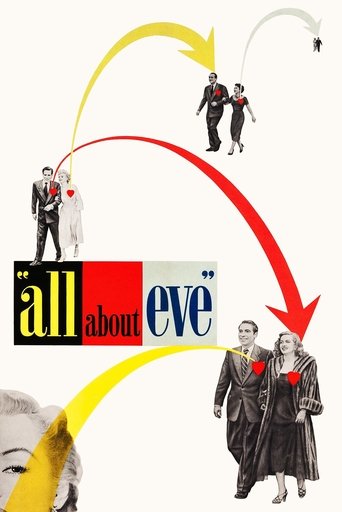
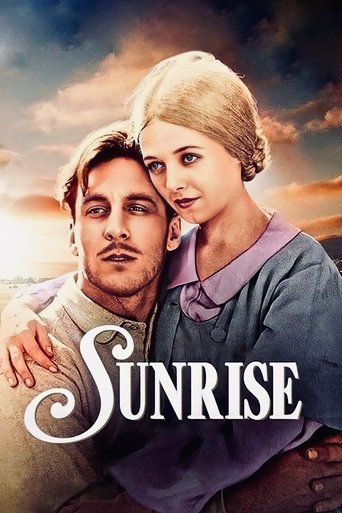
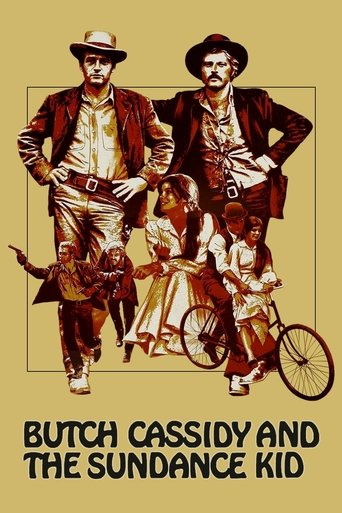

No cast information.
Similar Movies
Warhol Factory days... serendipity visits, Janis and Castelli and Bellevue glances... Malanga at work ... glances at Le Mépris and North by Northwest... girl rock groups and a disco opening... a romp through the Modern. My second film. Preserved by the Academy Film Archive in partnership with Estate Project for Artists with AIDS in 1998.
One of the most profound themes coursing throughout Sonbert's work is that of love between couples in all its pitfalls and perfect moments. To express this theme between his protagonists onscreen as well as in the relationship between his ever-roving hand-held camera and the human subjects in his field of vision, Sonbert employed diverse cinematic strategies, including in-camera editing (in The Bad and the Beautiful), twin-screen effects (in Ted and Jessica), and montage of discrete shots filmed in distinct spaces (in Honor and Obey). -- Jon Gartenberg. Preserved by the Academy Film Archive in partnership with the Estate Project for Artists with AIDS in 1998.
Chick Strand's SOFT FICTION is a personal documentary that brilliantly portrays the survival power of female sensuality. It combines the documentary approach with a sensuous lyrical expressionism. Strand focuses her camera on people talking about their own experience, capturing subtle nuances in facial expressions and gestures that are rarely seen in cinema. Preserved by the Academy Film Archive in partnership with The Film Foundation in 2015.
This short focuses on the job of the costume designer in the production of motion pictures. The costume designer must design clothing that is correct for the film historically and geographically, and must be appropriate for the mood of the individual scene. We see famed costume designer Edith Head at work on a production. The Costume Designer was part of The Industry Film Project, a twelve-part series produced by the film studios and the Academy. Each series episode was produced to inform the public on a specific facet of the motion picture industry. Preserved by the Academy Film Archive in 2012.
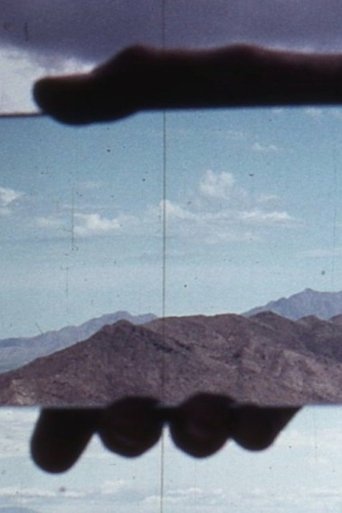
"Beydler's magical Hand Held Day is his most unabashedly beautiful film, but it's no less complex than his other works. The filming approach is simple, yet incredibly rich with possibilities, as Beydler collapses the time and space of a full day in the Arizona desert via time-lapse photography and a carefully hand-held mirror reflecting the view behind his camera. Over the course of two Kodachrome camera rolls, we simultaneously witness eastward and westward views of the surrounding landscape as the skies, shadows, colors, and light change dramatically. Beydler's hand, holding the mirror carefully in front of the camera, quivers and vibrates, suggesting the relatively miniscule scale of humanity in the face of a monumental landscape and its dramatic transformations." -Mark Toscano. Preserved by the Academy Film Archive in 2010.
Apu and his family have moved away from the country to live in the bustling holy city of Benares. As he progresses from wide-eyed child to intellectually curious teenager, eventually studying in Kolkata, we witness his academic and moral education, as well as the growing complexity of his relationship with his mother.
Produced by the Army Pictorial Service, Signal Corps, with the cooperation of the Army Air Forces and the United States Navy, and released by Warner Bros. for the War Activities Committee shortly after the surrender of Japan. Follow General Douglas MacArthur and his men from their exile from the Philippines in early 1942, through the signing of the instrument of surrender on the USS Missouri on September 1, 1945. Preserved by the Academy Film Archive in 2013.
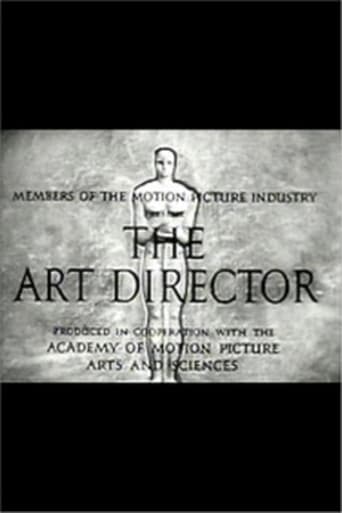
A film's art director is in charge of the set, from conception to construction to furnishing. This short film walks the viewer through art directors' responsibilities and the demands on their talents. They read a script carefully and design a set to capture the time and place, the social strata, and the mood. They must be scholars of the history of architecture, furnishings, and fashion. They choose the colors on a set in anticipation of the lighting and the mood. Their work also sets styles, from Art Deco in the 20's to 30s modernism. Then it's on to the next project. Preserved by the Academy Film Archive in 2012.