

Obesity: The Post Mortem
Documentary
Overview
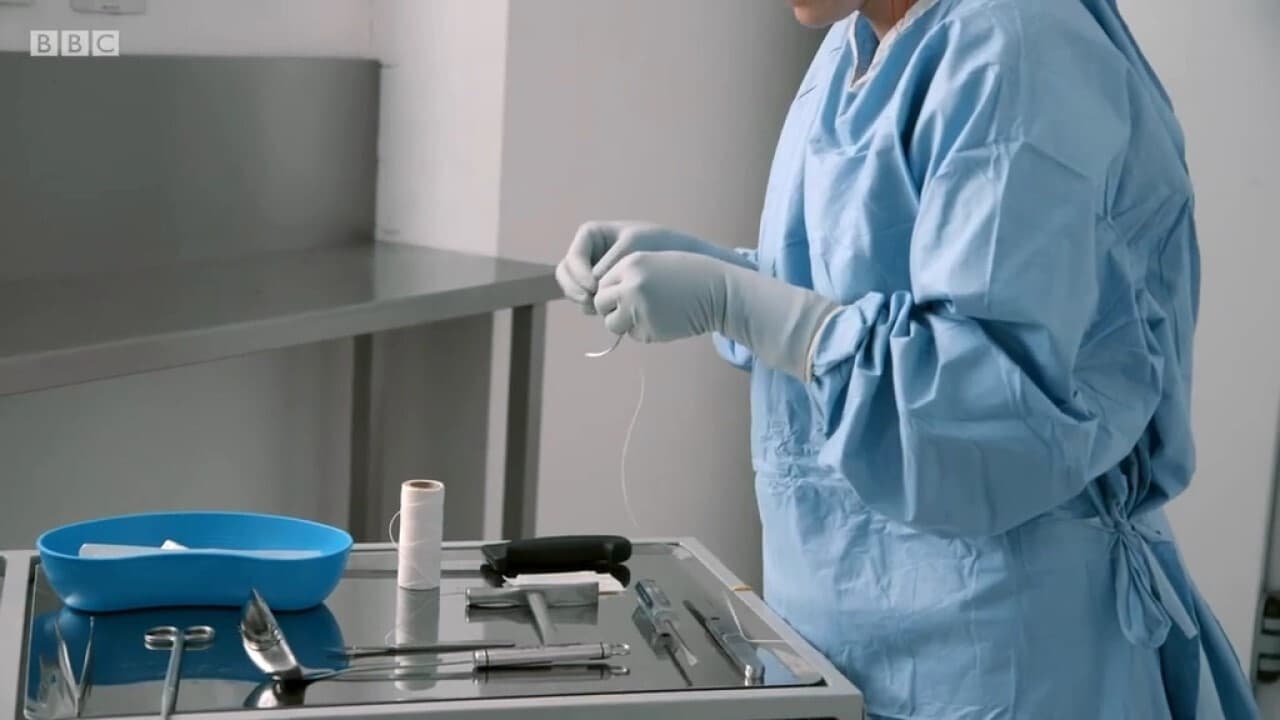
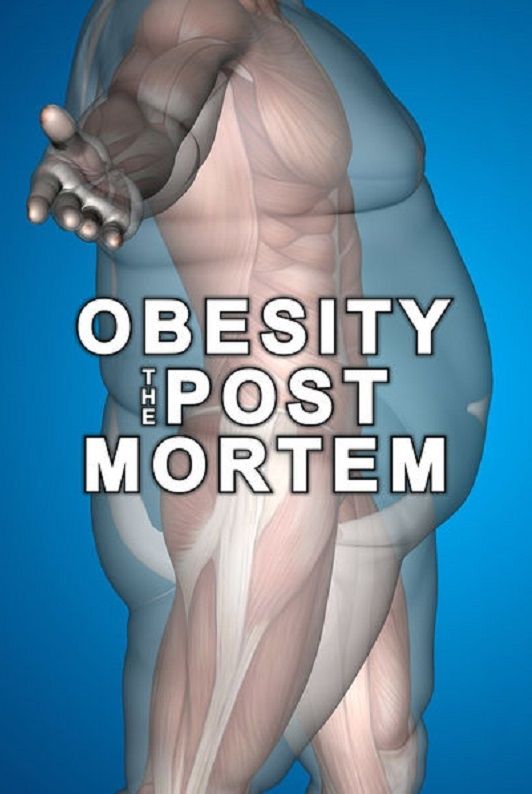
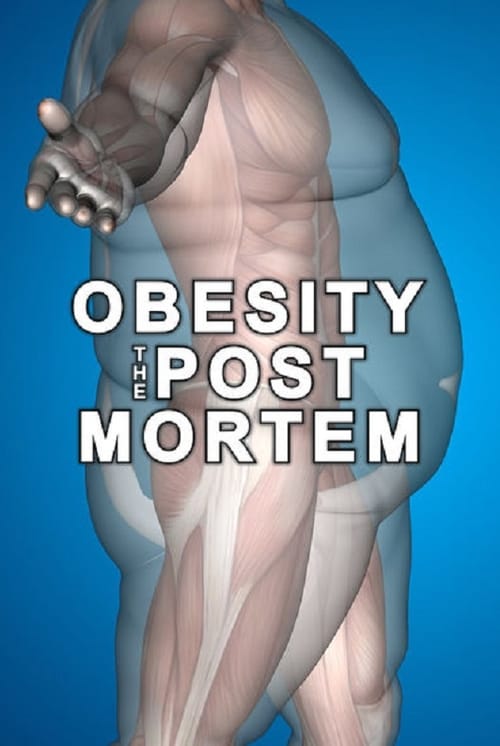
Documentary revealing just how dangerous too much fat is to our most vital internal organs. The programme follows a specialist pathology team as they conduct a post-mortem on the body of a 17-stone woman whose body was donated to medical science. Their findings, as they dissect the body and its organs, are startling, exposing the devastating impact of obesity with stunning visuals and fascinating medical facts. Morbid obesity reduces life expectancy by an average of nine years and is blamed for over 30,000 deaths in the UK every year. With 65 per cent of people already overweight or obese, this extraordinary film is a powerful contribution to the debate about fat, food, lifestyle and how the health service will cope with the growing obesity crisis.







Vinette Robinson
Vinette Robinson
Narrator
Vinette Robinson
Narrator
Mike Osborn
Mike Osborn
Dr Mike Osborn
Mike Osborn
Dr Mike Osborn
Similar Movies
What question has plagued mankind more than the mystery—and terror—of death? This forbidden pursuit has driven Dr. Frances B. Gröss to the brink of madness, but in his obsession, he has amassed a uniquely comprehensive collection of films that depict life in its final, grueling moments. From the savagery of cold-blooded murder to the perverse realities of war, tragic accidents, and the everyday lives of those who collect, dissect, and bury the dead, this descent into morbidity lays bare a truth that all of us will one day face.
The third installment in one of the most disturbing shockumentary series ever made, and it gets even more sick! Includes an autopsy of an unfortunately real dead infant, a cooking tutorial on road-kill, a walk-through of an abandoned house cleared after the homicide of an exchange-student, and a video of re-enactments of workplace incidents.
If there is one person Matthew Lancit can’t get out of his mind, it is his uncle Harvey. Dark rings around his eyes, pale, blind, his legs amputated. Like Harvey, the filmmaker also suffers from diabetes. He has the disease under control, but one question is always nagging at him: How much longer? His long-term (self-)observation reliably revolves around fears of infirmity and mutilation. He translates the feared body horror into film, stages himself as a zombie, vampire, a desolate figure. Lancit playfully anticipates his potential decline, serving up a whole arsenal of effects which – as video recordings prove – go back to his youth. It is not for nothing that the “dead” in the title is also reminiscent of “dad.” Because “Play Dead!” also negotiates his own role as a father.