

Moriyama-San
Documentary
Overview
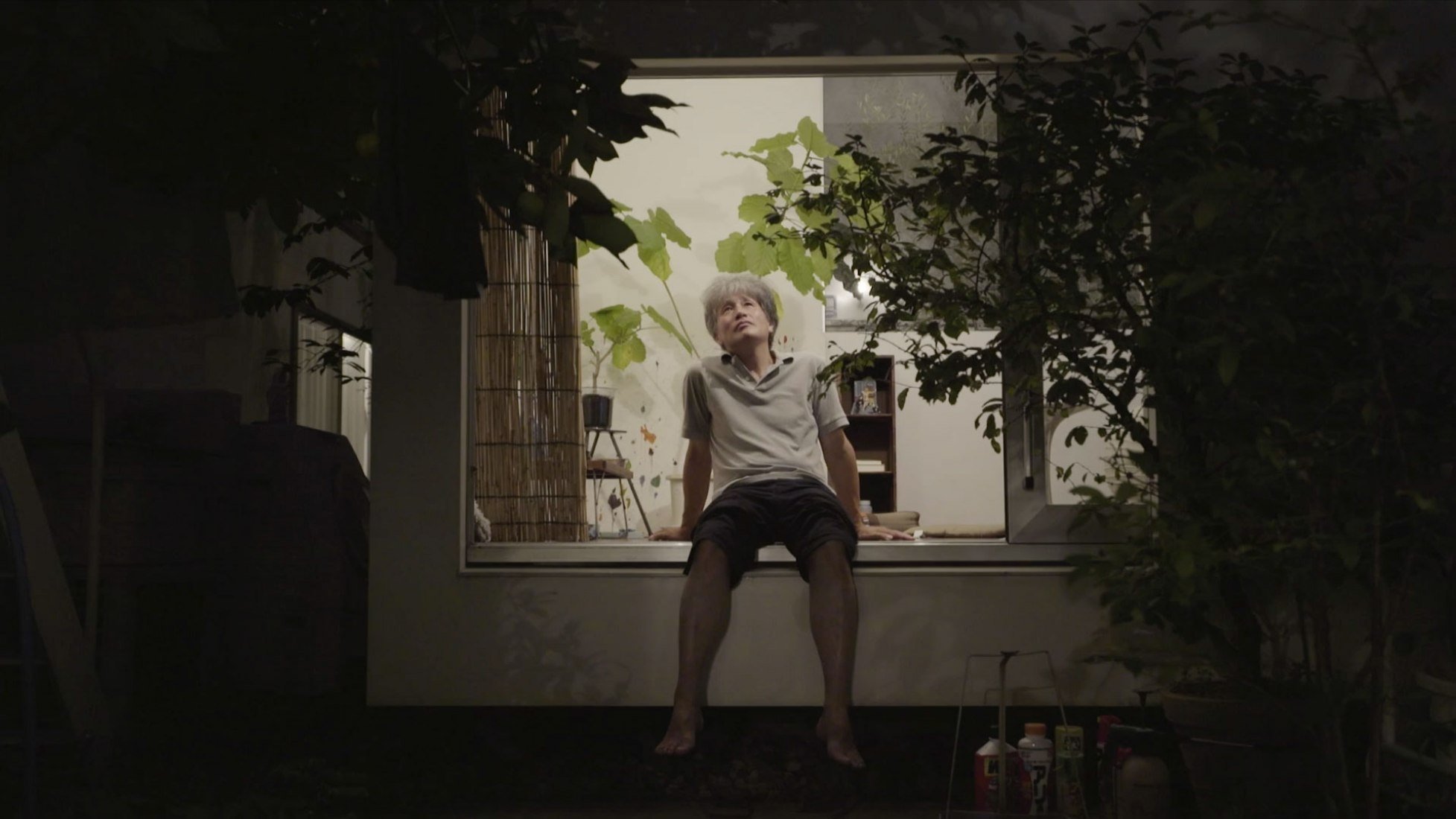
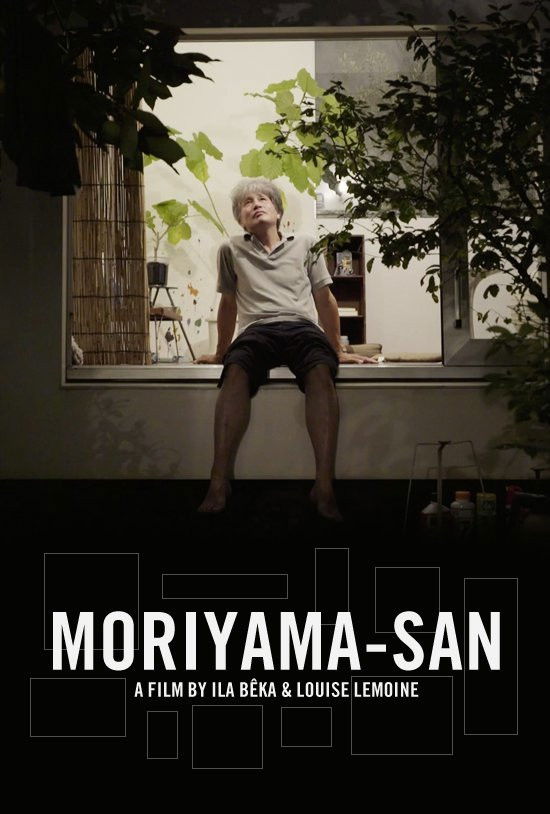
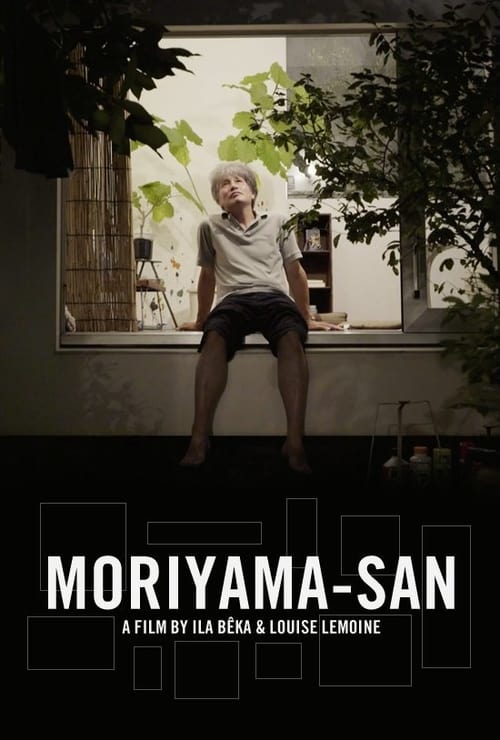
One week in the extraordinary-ordinary life of Mr. Moriyama, a Japanese art, architecture and music enlighted amateur who lives in one of the most famous contemporary Japanese architecture, the Moriyama house, built in Tokyo in 2005 by Pritzker-prize winner Ryue Nishizawa (SANAA). Introduced in the intimacy of this experimental microcosm which redefines completely the common sense of domestic life, Ila Bêka recounts in a very spontaneous and personal way the unique personality of the owner: a urban hermit living in a small archipelago of peace and contemplation in the heart of Tokyo. From noise music to experimental movies, the film let us enter into the ramification of the Mr. Moriyama's free spirit. Moriyama-San, the first film about noise music, acrobatic reading, silent movies, fireworks and Japanese architecture!
Top Cast







Yasuo Moriyama
Yasuo Moriyama
Self
Yasuo Moriyama
Self
Ila Bêka
Ila Bêka
Self
Ila Bêka
Self
Satoshi Takae
Satoshi Takae
Self
Satoshi Takae
Self
Nao Taniguchi
Nao Taniguchi
Self
Nao Taniguchi
Self
Kazuto Kimura
Kazuto Kimura
Self
Kazuto Kimura
Self
Mayumi Yamamoto
Mayumi Yamamoto
Mayumi Yamamoto
Similar Movies
Tokyo International travelers brave constant rain and still have a great experience in one of the world's largest cities. The backpackers learn about Japan's fascinating history at the Edo and war memorial museums before heading to the world's largest fish market. Partying in several of the incredible nightlife areas of Tokyo opens their eyes to the unique Japanese youth culture. Experience the rush of traveling the world for the first time with a crew of international back-packers, ages 16 - 22 on their quest for adventure, romance and the perfect moment.
Merrilees Parker travels to Japan to learn about its unique food culture. She begins her journey in Tokyo, at Tsukiji, the world's biggest fish market. Master chef, Romeo teaches her how to make the ultimate sushi, an art that takes years to master. Then it's off to a ramen museum, where you can try various regional styles of the noodle soup. Escaping the city, Merrilees takes the bullet train to Matsusaka where she visits a farm that produces the most expensive beef in the world. She also visits Kyoto and Mount Fuji for the annual Summer Fire Festival to gorge herself on wonderful street food.

Produced by the Army Pictorial Service, Signal Corps, with the cooperation of the Army Air Forces and the United States Navy, and released by Warner Bros. for the War Activities Committee shortly after the surrender of Japan. Follow General Douglas MacArthur and his men from their exile from the Philippines in early 1942, through the signing of the instrument of surrender on the USS Missouri on September 1, 1945. Preserved by the Academy Film Archive in 2013.
Finding their place between the forest and the sea, the Japanese have always felt awe and gratitude toward Nature. Since ancient times, they have negotiated their own unique relationship with their natural surroundings. Acclaimed photographer Masa-aki Miyazawa discovered the essence of that ancient way of living in Ise Jingu, Japan’s holiest Shinto shrine. Inspired by the idea of sending a message to the future in the same way this ancient shrine keeps alive the traditions of the past, Miyazawa used an ultra-high resolution 4K camera to create a breathtaking visual journey linking the Ise forest with other forests throughout Japan.

The world’s biggest fish market is to make room for a highway during the Olympic Games 2020 in Tokyo. After more than 80 years in daily business, the relocation of over 14,000 dealers is a turning point. Especially for old-established dealers this step is not easy. Within four days, all dealers, souvenir and shoe shops, restaurants and service providers such as knife sharpeners are to be relocated to the new location on an artificial island. The closure of Tsukiji is a step towards modern digital real-time trading and we are the only foreign reporter with exclusive access to accompany this adventurous relocation.
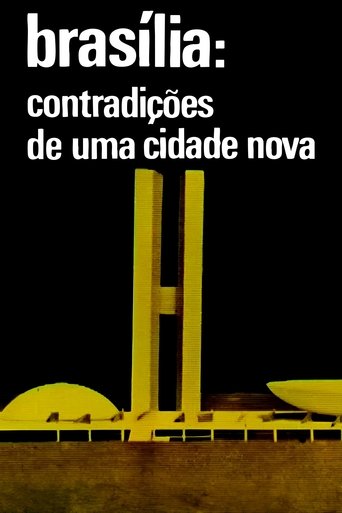
In 1967, de Andrade was invited by the Italian company Olivetti to produce a documentary on the new Brazilian capital city of Brasília. Constructed during the latter half of the 1950s and founded in 1960, the city was part of an effort to populate Brazil’s vast interior region and was to be the embodiment of democratic urban planning, free from the class divisions and inequalities that characterize so many metropolises. Unsurprisingly, Brasília, Contradições de uma Cidade Nova (Brasília, Contradictions of a New City, 1968) revealed Brasília to be utopic only for the wealthy, replicating the same social problems present in every Brazilian city. (Senses of Cinema)