


Free Lunch Society
Documentary
Overview
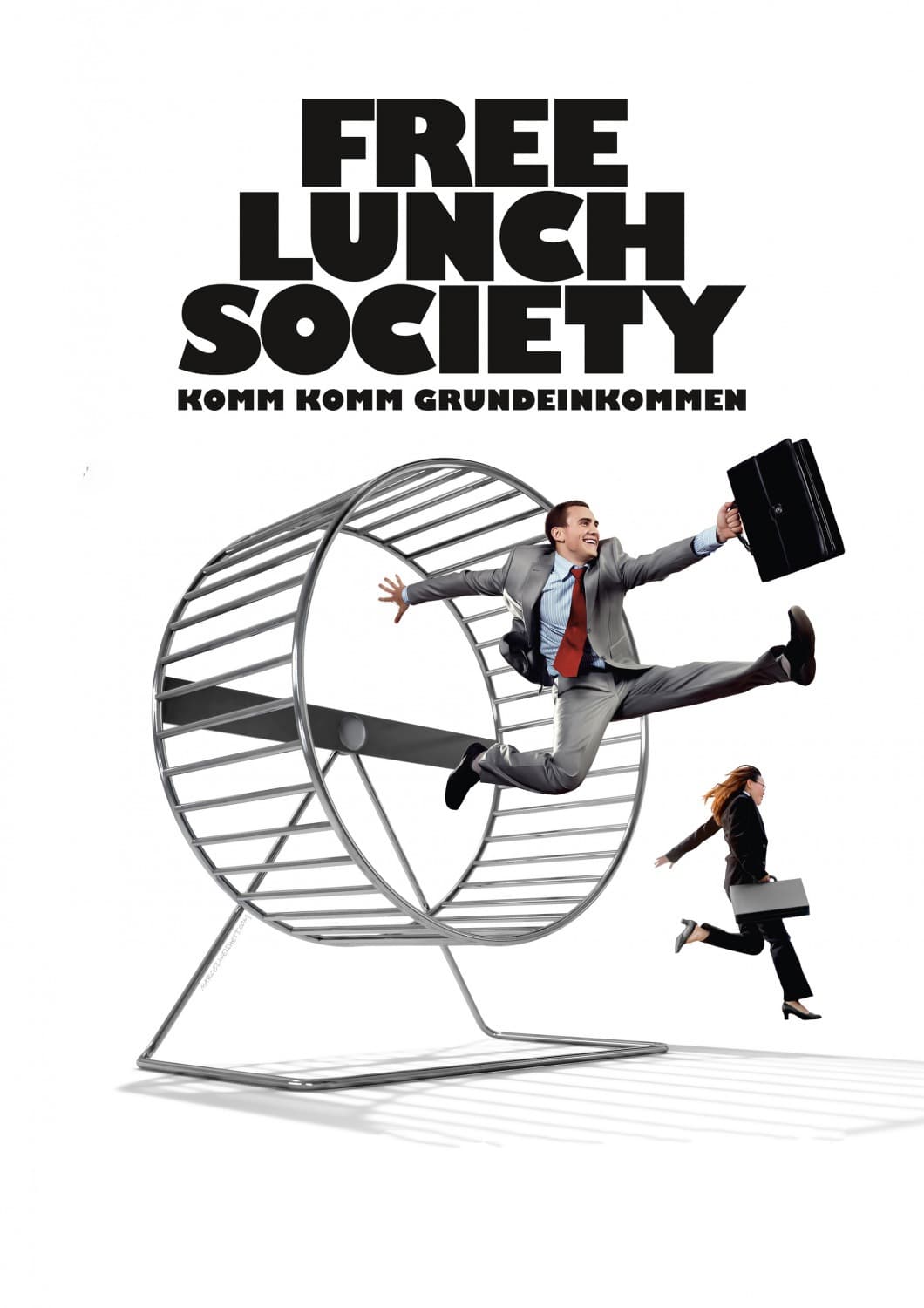
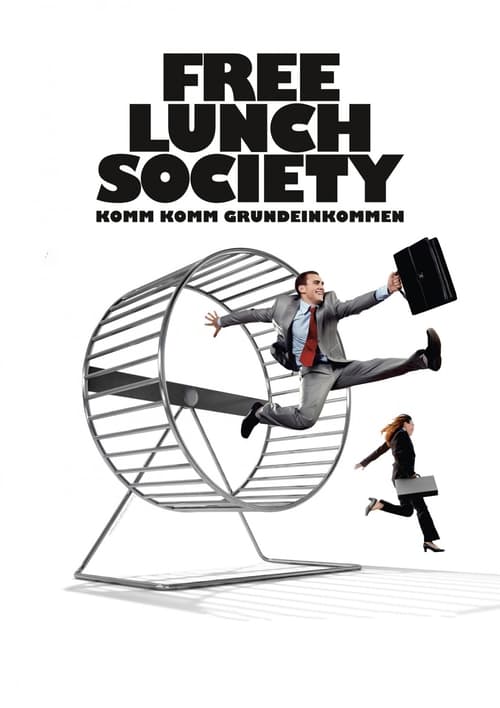
What would you do if your basic income was taken care of month after month? Would you stop working? Follow your passions? Take more risks? The four-figure sum that all four members of the Wardwell family receive each year from the Alaskan government’s crude oil profits goes towards a college fund for their children, something they would otherwise be unable to afford. Filmmaker Christian Tod, himself a fervent supporter of the idea, explores the model of an unconditional basic income and takes a look at trial systems already underway in the US, Canada and Namibia. Wandering the history of this utopia reminiscent of science fiction he eventually ends up in Switzerland, where the new system was voted on in 2016. In this multifaceted and highly entertaining documentary, Tod broaches life’s existential questions and fuels the debate on one of the most prevalent economic topics of our generation.





Götz Werner
Götz Werner
Himself
Götz Werner
Himself
Daniel Häni
Daniel Häni
Himself
Daniel Häni
Himself
Michael Bohmeyer
Michael Bohmeyer
Himself
Michael Bohmeyer
Himself
Fran Ulmer
Fran Ulmer
Herself
Fran Ulmer
Herself
Peter Barnes
Peter Barnes
Himself
Peter Barnes
Himself
Evelyn Forget
Evelyn Forget
Herself
Evelyn Forget
Herself
Bernie Sanders
Bernie Sanders
Self (archive footage)
Bernie Sanders
Self (archive footage)
Similar Movies
This documentary profiles economist and writer Marilyn Waring. In extensive interviews, Waring details her feminist approach to finances and challenges commonly accepted truths about the global economy. The filmmakers detail Waring's early rise to political prominence and her successful protests against nuclear arms. Waring also speaks candidly about wartime economies, suggesting that government policies tend to marginalize the fiscal contributions of women.
Documentary created to demystify climate change and nuclear energy. While the threat of climate change is now widely accepted in the community, the potential for a host of nuclear power stations in Australia has raised questions about the best strategy for the country to move to a low-carbon economy. This animated documentary takes viewers on a tour through the science of climate change and the nuclear fuel chain and the remarkable energy revolution that is under way.
Diving deep into the true causes of the Great Recession, the financial crisis of the 2010s, renowned economists, investors and business leaders explain what America is facing if we don't learn from our past mistakes. Is the economy really improving or are we just blowing up another Bubble?
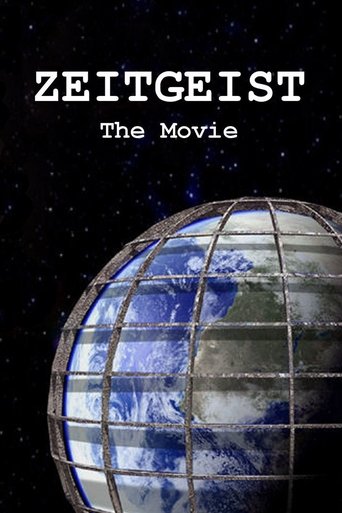
Zeitgeist: Addendum premiered at the 5th Annual Artivist Film Festival. Director Peter Joseph stated: "The failure of our world to resolve the issues of war, poverty, and corruption, rests within a gross ignorance about what guides human behavior to begin with. It address the true source of the instability in our society, while offering the only fundamental, long-term solution."
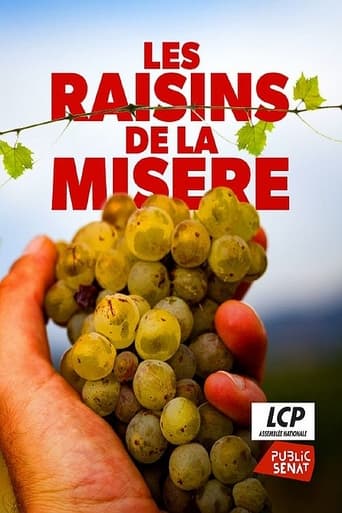
Famous worldwide for its great wines, the Bordeaux region represents French excellence. But this idyllic postcard also has its dark side. The workers in the vineyards are working in increasingly precarious conditions, to the point of putting their health at risk. A handful of them are resisting this fate.
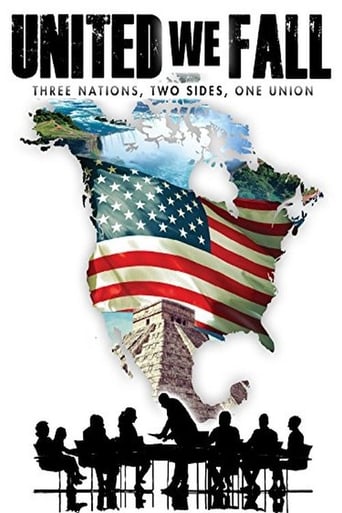
United We Fall is a documentary about a North American Union that is being developed right now between Canada, the United States, and Mexico. For years this topic has been debated in the news and in political circles as being a possible future for North America. In recent years, the mood has shifted and a rift is developing between those who want a deeply integrated North American community, and those who wish to retain their national sovereignty. This film takes a look at both sides of the issue by interviewing insiders such as members of the ultra-secretive Bilderberg group, the Trilateral Commission and the Council On Foreign Relations and also journalists and activists such as Luke Rudkowski, Alex Jones and producer Dan Dicks who have been at the heart of this heated debate.
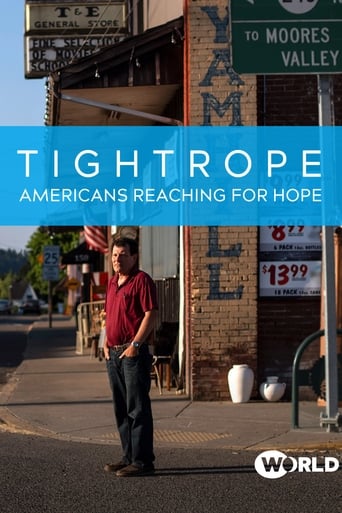
Pulitzer Prize-winning journalists Nicholas Kristof and Sheryl WuDunn explore the causes and costs of addiction, poverty and incarceration plaguing America, from the inner city to small towns like Kristof's hometown of Yamhill, Oregon. While pockets of empathy and aid exist, are they enough to rescue the thousands of Americans in despair, for whom the American Dream of self-reliance is impossibly out of reach?
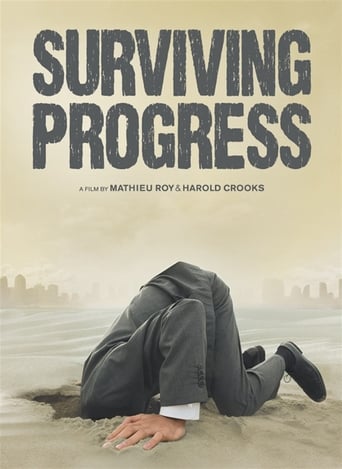
Humanity’s ascent is often measured by the speed of progress. But what if progress is actually spiraling us downwards, towards collapse? Ronald Wright, whose best-seller, “A Short History Of Progress” inspired “Surviving Progress”, shows how past civilizations were destroyed by “progress traps”—alluring technologies and belief systems that serve immediate needs, but ransom the future. As pressure on the world’s resources accelerates and financial elites bankrupt nations, can our globally-entwined civilization escape a final, catastrophic progress trap? With potent images and illuminating insights from thinkers who have probed our genes, our brains, and our social behaviour, this requiem to progress-as-usual also poses a challenge: to prove that making apes smarter isn’t an evolutionary dead-end.