

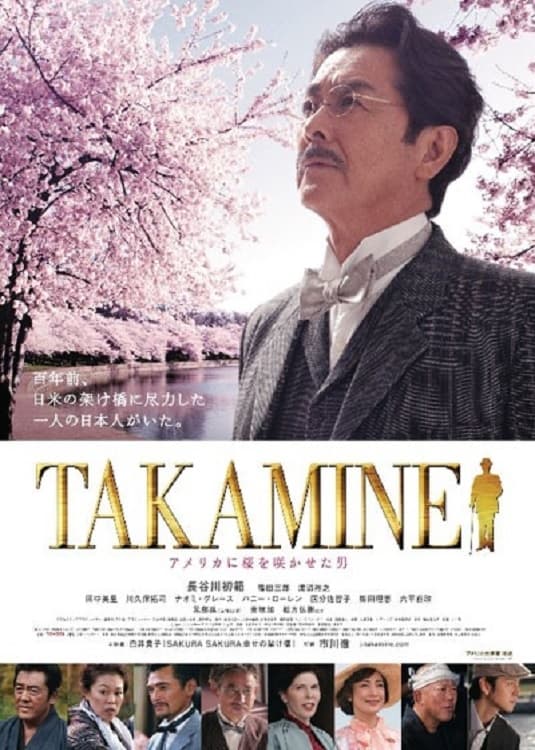
Takamine - The Man By Which Cherry Blossoms Bloomed in America
History
Overview
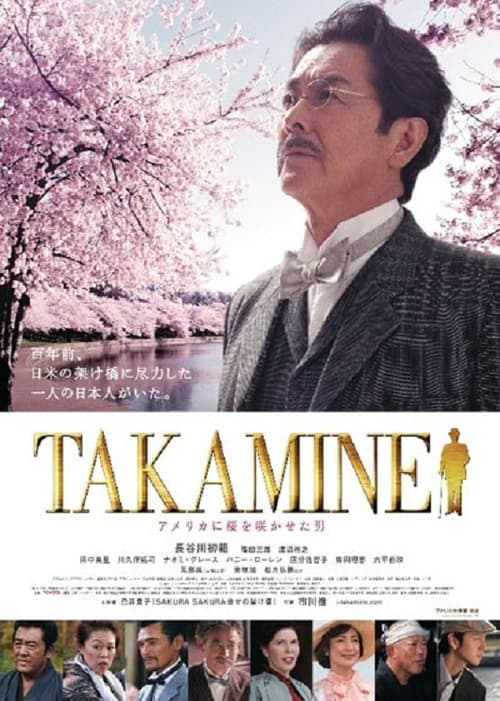
Takamine is a biopic about Dr. Jokichi Takamine, the late biochemist known for successfully crystallizing and isolating adrenaline, which is also called epinephrine. Dubbed the father of modern biotechnology, Takamine also produced Takadiastase, a digestive enzyme still used as an ingredient in medicines. He was also enthusiastic about establishing friendly relations between Japan and the United States. He was responsible for a gift of 3,000 cherry trees in the U.S. capital, Washington D.C.





Saburo Shinoda
Saburo Shinoda
Saburo Shinoda

Misato Tanaka
Misato Tanaka
Misato Tanaka

Rie Shibata
Rie Shibata
Rie Shibata
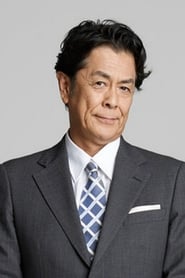
Hatsunori Hasegawa
Hatsunori Hasegawa
Hatsunori Hasegawa
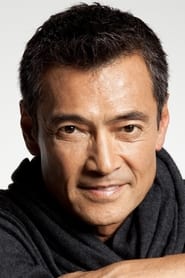
Hiroyuki Watanabe
Hiroyuki Watanabe
Hiroyuki Watanabe

Sachiko Kokubu
Sachiko Kokubu
Sachiko Kokubu
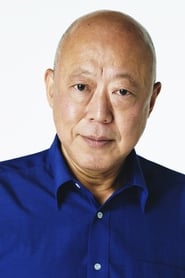
Naomasa Musaka
Naomasa Musaka
Naomasa Musaka
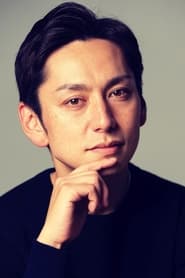
Takuji Kawakubo
Takuji Kawakubo
Takuji Kawakubo

Naomi Grace
Naomi Grace
Naomi Grace

Hidetoshi Imura
Hidetoshi Imura
Hidetoshi Imura
Similar Movies
A Victorian surgeon rescues a heavily disfigured man being mistreated by his "owner" as a side-show freak. Behind his monstrous façade, there is revealed a person of great intelligence and sensitivity. Based on the true story of Joseph Merrick (called John Merrick in the film), a severely deformed man in 19th century London.
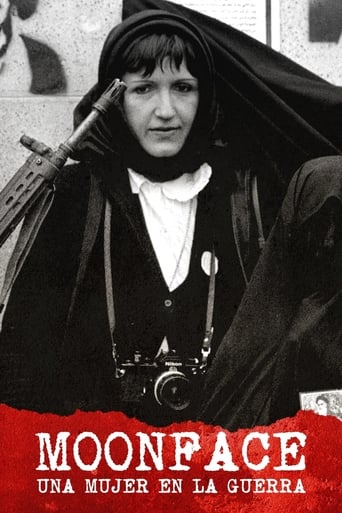
A walk through the life and career of the legendary French photojournalist Christine Spengler, known as Moonface, one of the few female war reporters in the seventies, also a writer and surrealist painter, who worked in Chad, Northern Ireland, Vietnam, Cambodia, Afghanistan, Lebanon, Iran, Iraq and other places where unfortunately war and death prevailed for years.
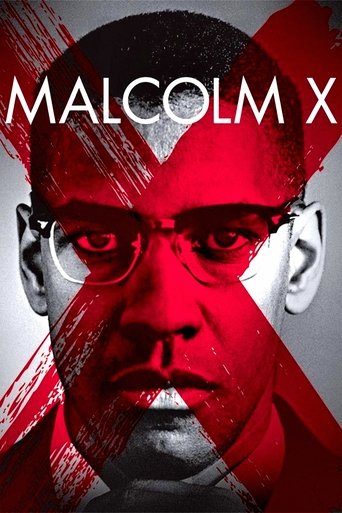
A tribute to the controversial black activist and leader of the struggle for black liberation. He hit bottom during his imprisonment in the '50s, he became a Black Muslim and then a leader in the Nation of Islam. His assassination in 1965 left a legacy of self-determination and racial pride.
One day, in Savigny, an 18-year-old boy left his house in the middle of the war, saying: "I'm leaving, I'm going to kill Hitler." His name was Joseph, he was Jewish, he was my great-uncle. He disappeared during the night of the Occupation, and his existence became a family secret. He disappeared from history, the small as well as the big: he is not on any deportation list, and the only archive where he appears is a family photo of him as a child. It disappeared like a stone at the bottom of the water, instead of going up in smoke in the sky of Poland. What did he become? And why didn't anyone mention his name anymore?
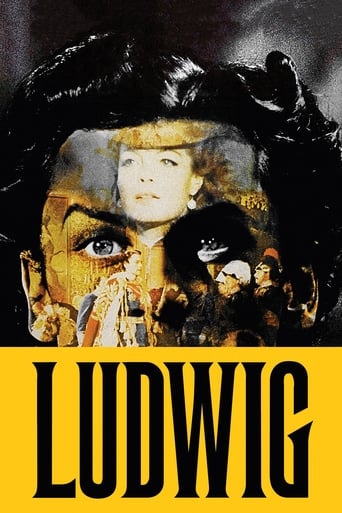
Historical evocation of Ludwig, king of Bavaria, from his crowning in 1864 until his death in 1886, as a romantic hero. Fan of Richard Wagner, betrayed by him, in love with his cousin Elisabeth of Austria, abandoned by her, tormented by his homosexuality, he will little by little slip towards madness.