

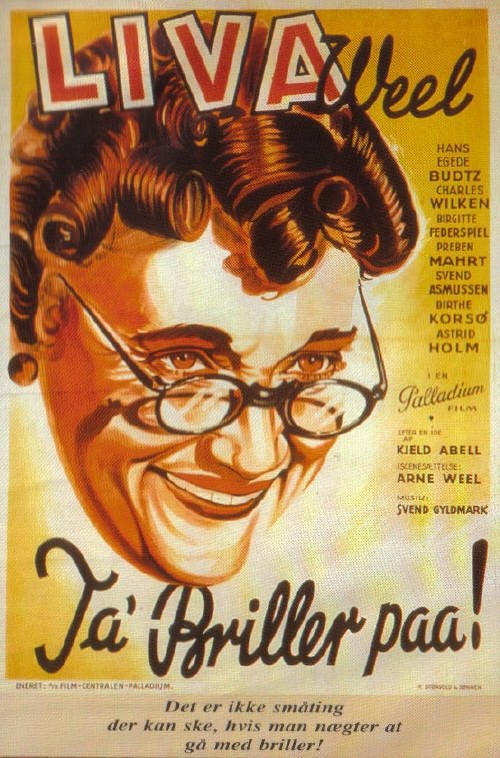
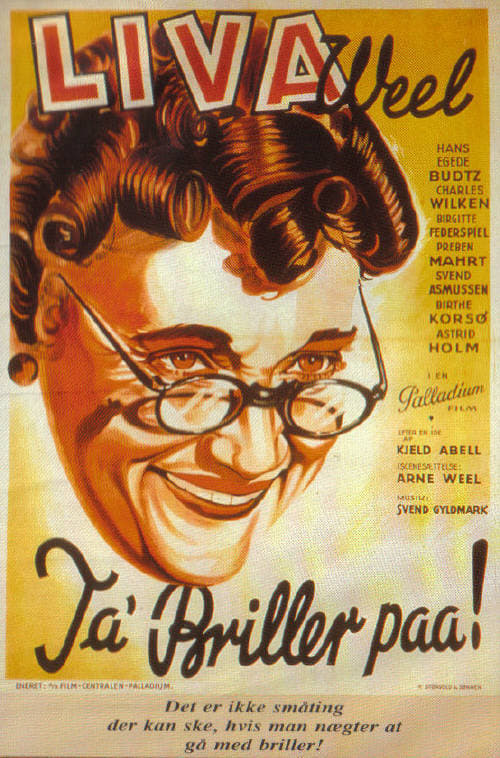
Ta' briller paa
Comedy
Overview
Mrs. Adda Ernst is a middle-aged lady of the bourgeoisie. She has a nice husband Mr. Ernst, a lovely home and two healthy children Birgit and Hans, who like most of their peers are interested in swing. Mrs. Adda is musical herself, and has a beautiful singing voice, sometimes she can fall into melancholy over the career she never had. But she is naturally endowed with a rare good mood, she soon sheds her sad mood. In reality, she has only one worry. She is afraid of getting old, and therefore makes some convulsive efforts to still seem young. She refuses to realize that her daughter has grown up.
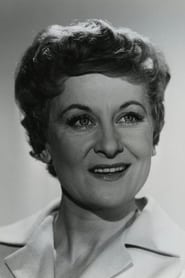





Liva Weel
Liva Weel
Fru Adda Ernst
Liva Weel
Fru Adda Ernst
Hans Egede Budtz
Hans Egede Budtz
Hr. Ernst
Hans Egede Budtz
Hr. Ernst

Birgitte Federspiel
Birgitte Federspiel
Birgit Ernst
Birgitte Federspiel
Birgit Ernst

Preben Mahrt
Preben Mahrt
Hans Ernst
Preben Mahrt
Hans Ernst
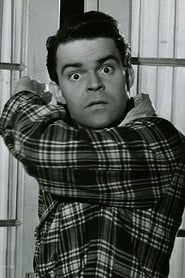
Svend Asmussen
Svend Asmussen
Ebbe
Svend Asmussen
Ebbe
Birthe Korsø
Birthe Korsø
Karen
Birthe Korsø
Karen
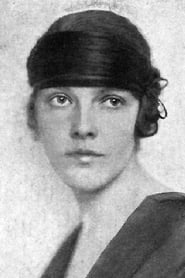
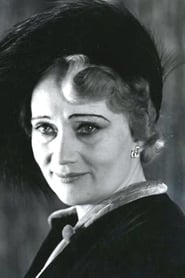
Astrid Holm
Astrid Holm
Fru Ester Berg
Astrid Holm
Fru Ester Berg
Vera Lindstrøm
Vera Lindstrøm
Baronesse
Vera Lindstrøm
Baronesse
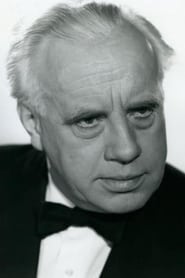
Asbjørn Andersen
Asbjørn Andersen
Filminstruktør
Asbjørn Andersen
Filminstruktør
Ego Brønnum-Jacobsen
Ego Brønnum-Jacobsen
Ego Brønnum-Jacobsen
Similar Movies
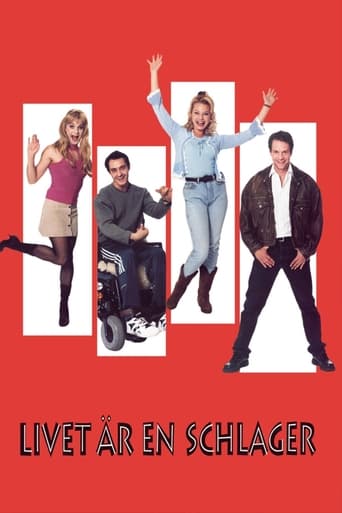
Mona Bergström is a sweet eurovision-obsessed woman in her 30s. She is married to a lazy husband and has four children, all named after her favorite Swedish Eurovision popstars. Her brother is a crossdressing guy self-titled "Candy Darling". Mona works in a retirement home for disabled people, where she is responsible for taking care of a young man named David who suffers a movement-restricting disease forcing him into a wheelchair. David's parents have abandoned him, as they wanted a normal child. Mona holds a big place in David's heart, and vica versa. David's goal is to get his parents to come and visit him, and he wants to show them that he is a great person, despite his handicap. Therefore he works with music on his computer, and his goal is to create a song, send it to "The Cardigans", a famous Swedish band and have them play the song and credit him, hoping his parents would spot it and want to visit him.
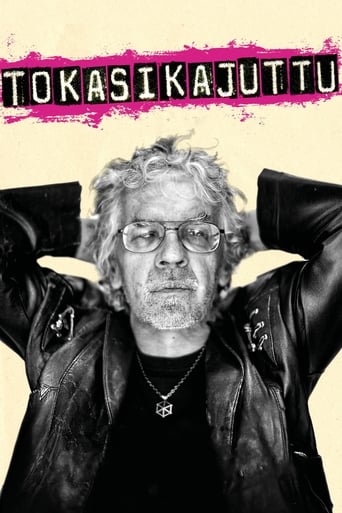
In December 2016 a remarkable chapter in music history was closed as the Finnish punk rock band Pertti Kurikan Nimipäivät (PKN) retired. Punk Voyage is a feature length documentary film about the last years of the band, with all the ups and downs included. After becoming celebrities in Finland, this incredible quartet continued to conquer new fans around the World. In its seven years run PKN played nearly 300 gigs in 16 countries. In 2015 the band was selected to represent Finland in the Eurovision Song Contest, where they played to over 100 million television spectators. However, the busy traveling and success created a lot of pressure within the band: Kari struggled with the temptations and responsibilities brought by publicity; Sami extended his territory to politics and religion; Toni's and the band's roadie Niila's crush to the the same girl caused conflicts; and Pertti, tired of this all, decided to retire.

Being a stranger doesn’t necessarily mean to be coming from the farthest away. Karl and his mother are about to learn this when they move from the west coast of Denmark to the ethnically and religiously mixed area of Nørrebro in Copenhagen. Sawsan, a Danish-Turkish girl in Karl’s new class, takes him under her wings and tries to integrate him into the big city, with all its slang and hipness. Sawsan is far more experienced and blunt than most – especially compared to Karl, this young Danish boy from the provinces. Sawsan’s big dream comes true when one of her songs is chosen for the Danish version of the Eurovision Song Contest for kids. Sawsan’s father of course says no, but Karl has a plan.
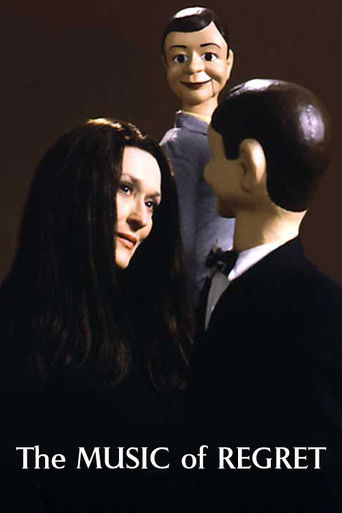
Simmons, best-known for her photographs of miniature rooms populated by dolls and of oversized objects—such as a house, birthday cake, and pistol—balanced on female legs, both human and fake, brings these characters to life in a three-act mini-musical. The film is inspired by three distinct periods of Simmons’s photographic work: vintage hand puppets, ventriloquist dummies and walking objects enact tales of ambition, disappointment, love, loss, and regret. Working with composer Michael Rohaytn ("Personal Velocity") and cameraman Ed Lachman ("The Virgin Suicides" and "Far From Heaven"), Simmons’s puppets come to life in miniature domestic scenes that echo real life.
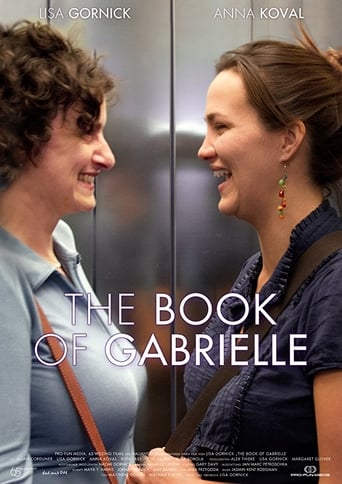
Gabrielle is writing an illustrated guide book on sex called 'How To Do It.' At a book signing she meets Saul, an established male writer who is straight. She both loves and hates his work which has seeped into her secular Jewish life from childhood. The more Gabrielle tells him about her book the more he wants to know about her life; the relationship with her younger girlfriend Olivia and her determination to "stop using my penis in sex". As her book takes form, is Saul jealous or desirous? Their friendship is tested as is Gabrielle's relationship with Olivia. The film muses on how we write, how we draw. And the nature of "story" and what it makes us do.