

Stranded
Drama
Overview
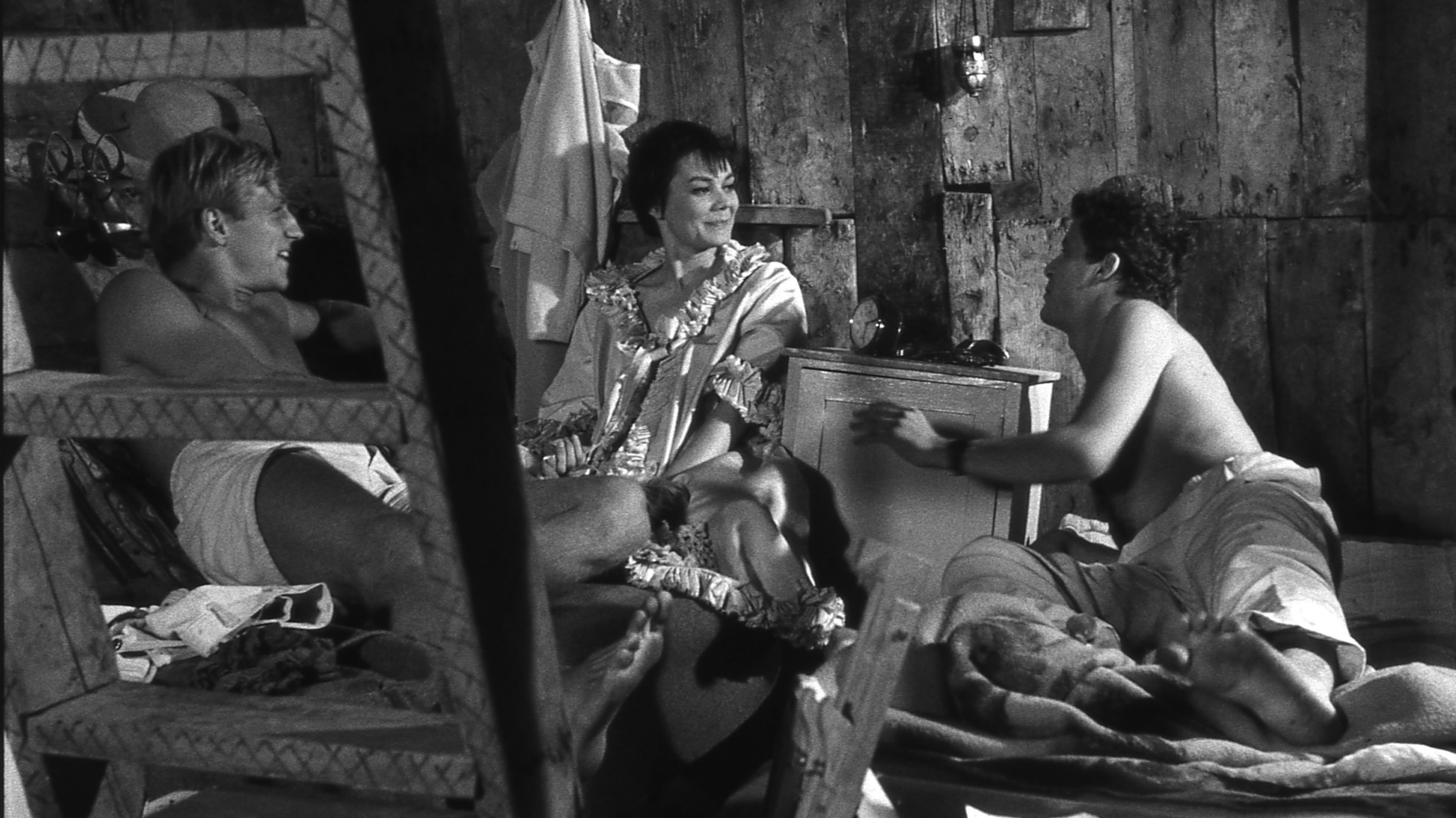
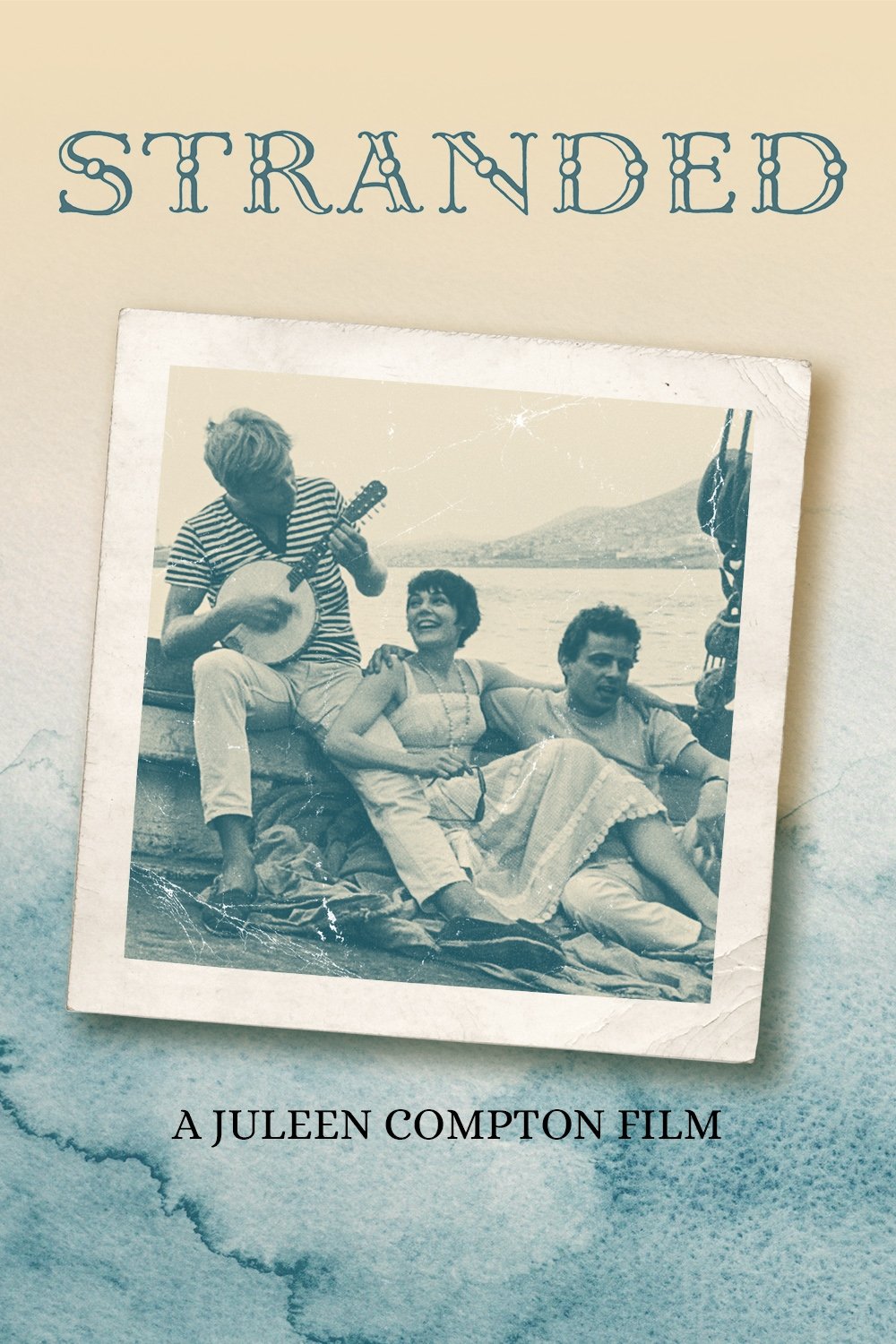
Compton's first feature was the autobiographical Stranded, which she wrote, directed, starred in, self-financed and distributed. Released in 1965, the film shares the cinematic experimentation and stylish, youth-centric rebellion of the French New Wave made even more radical by its progressive portrayals of female independence and sexuality, beatnik culture, and discussions of homosexuality. Stranded follows Raina, a young American woman (played by Compton), traveling through Greece with her American lover (Gary Collins), and her French, gay, best friend (Gian Pietro Calasso). Raina partakes in several love affairs rejecting marriage offers for no other reason than she likes her life the way it is. Made just prior to the arrival of second wave feminism, Compton, as writer-director, never judges her on-screen alter-ego the way similar female characters were frequently punished in other films during this era by stigmatizing female sexuality.















Juleen Compton
Juleen Compton
Raina
Juleen Compton
Raina

Gary Collins
Gary Collins
Bob
Gary Collins
Bob
Gian Pietro Calasso
Gian Pietro Calasso
Olivier
Gian Pietro Calasso
Olivier

Alkis Yannakas
Alkis Yannakas
Nicos
Alkis Yannakas
Nicos
Ken Gaherity
Ken Gaherity
Jeff
Ken Gaherity
Jeff
Similar Movies
In 1970s Iran, Marjane 'Marji' Satrapi watches events through her young eyes and her idealistic family of a long dream being fulfilled of the hated Shah's defeat in the Iranian Revolution of 1979. However as Marji grows up, she witnesses first hand how the new Iran, now ruled by Islamic fundamentalists, has become a repressive tyranny on its own.
Just by watching Lupe stuck at home in her robe and slippers, no one would will guess that in the 80's she was a rock star. Gone are the times of concerts, fame and success. Agoraphobia does not let her leave home. She depends entirely on Paquita, his mother, a superstitious Mexican, with a huge heart, which not only takes care of his daughter but also her teenage grandson. The problem is that Paquita is running out of time and she doesn't want to leave without getting her daughter back.
Or shoulders a lot: she's 17 or 18, a student, works evenings at a restaurant, recycles cans and bottles for cash, and tries to keep her mother Ruthie from returning to streetwalking in Tel Aviv. Ruthie calls Or "my treasure," but Ruthie is a burden. She's just out of hospital, weak, and Or has found her a job as a house cleaner. The call of the quick money on the street is tough for Ruthie to ignore. Or's emotions roil further when the mother of the youth she's in love with comes to the flat to warn her off. With love fading and Ruthie perhaps beyond help, Or's choices narrow.
Louise, who has just written a novel, comes to Paris to meet with a potential publisher. While in the city, she stays with her older sister, Martine, who in many ways is the exact opposite of Louise: she lives in a fashionable neighborhood, is cold to others, and has snobby friends, while Louise lives in a small town and is thoroughly unpretentious. Louise's apparent happiness -- and similarities to their mother -- gradually gets on Martine's nerves.