

Midnight Ramble
Documentary
Overview
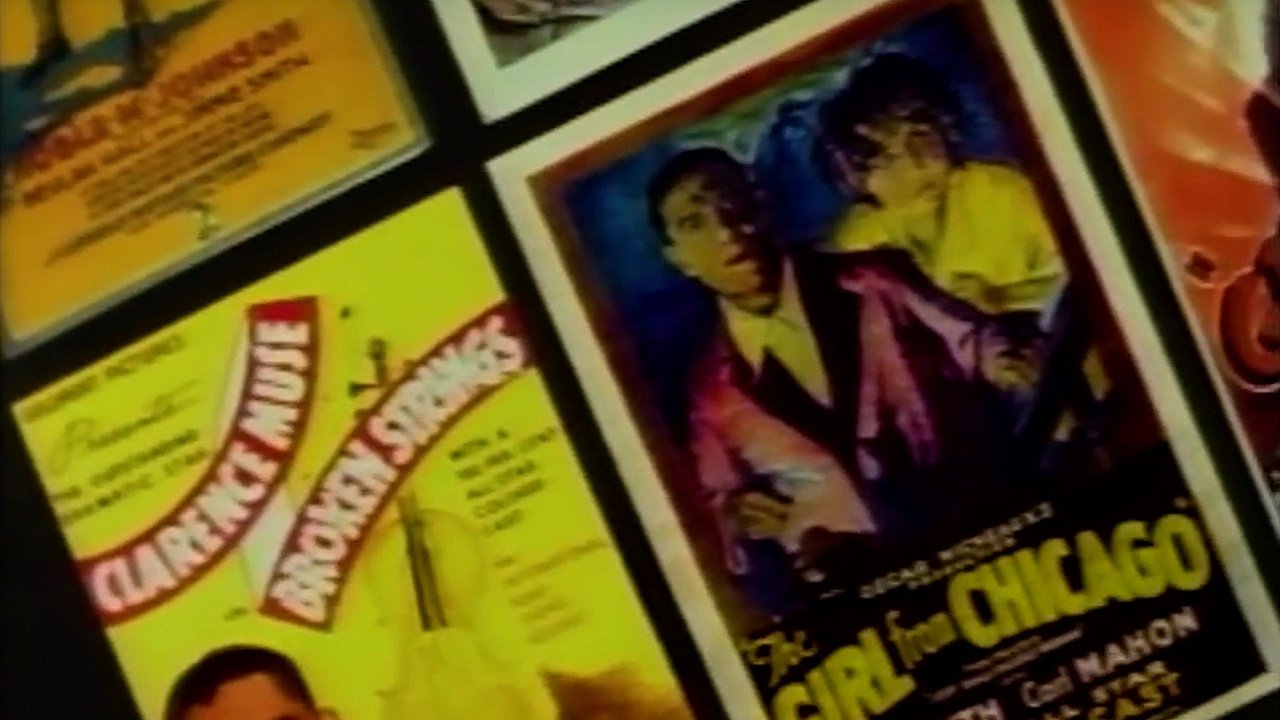
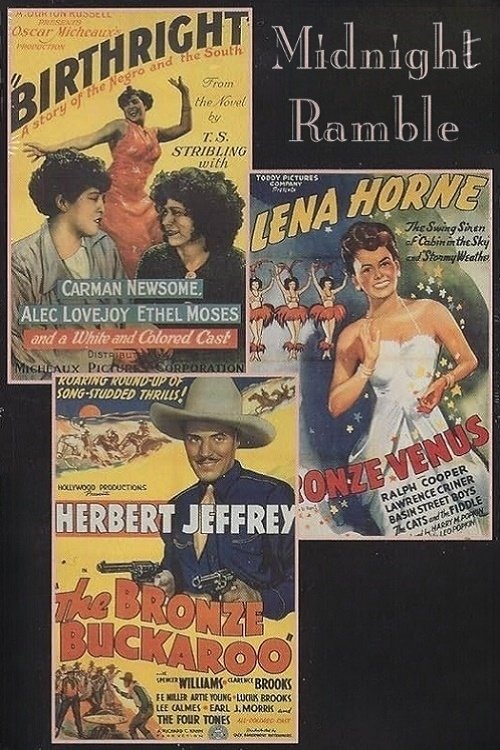
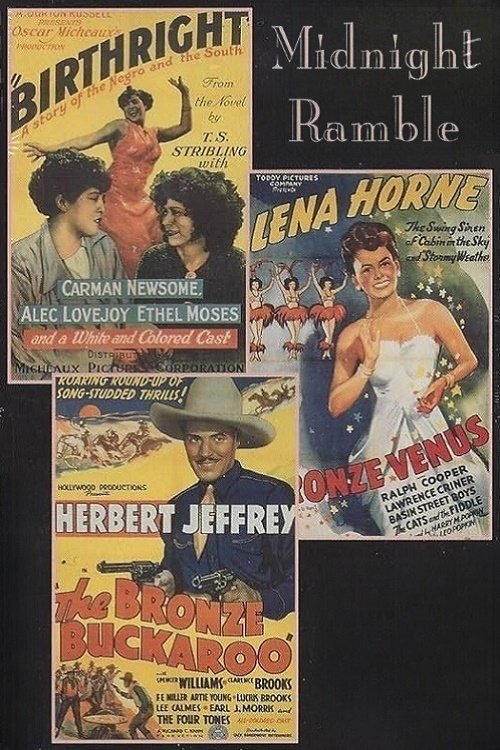
A documentary chronicling the pioneering efforts of black filmmaker William D. Foster in the early years of the industry and Oscar Micheaux's controversial impact on the subsequent "race movies".
Top Cast
Toni Cade Bambara
Self - Author
Robert Hall
Self - Historian
Elton Fax
Self - Illustrator

Pearl Bowser
Self - Archivist
Carlton Moss
Self - Filmmaker
Frances E. Williams
Self - Actress
Shingzie Howard
Self - Actress
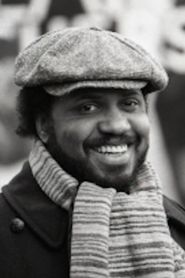
St. Clair Bourne
Self - Journalist
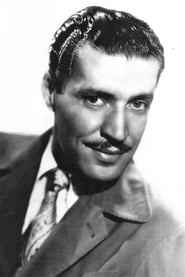
Herb Jeffries
Self - Actor

Edna Mae Harris
Self - Actress

James Avery
Narrator

David McCullough
Introduction

Toni Cade Bambara
Toni Cade Bambara
Self - Author
Toni Cade Bambara
Self - Author
Robert Hall
Robert Hall
Self - Historian
Robert Hall
Self - Historian
Elton Fax
Elton Fax
Self - Illustrator
Elton Fax
Self - Illustrator
Pearl Bowser
Pearl Bowser
Self - Archivist
Pearl Bowser
Self - Archivist
Carlton Moss
Carlton Moss
Self - Filmmaker
Carlton Moss
Self - Filmmaker
Frances E. Williams
Frances E. Williams
Self - Actress
Frances E. Williams
Self - Actress
Shingzie Howard
Shingzie Howard
Self - Actress
Shingzie Howard
Self - Actress
St. Clair Bourne
St. Clair Bourne
Self - Journalist
St. Clair Bourne
Self - Journalist
Herb Jeffries
Herb Jeffries
Self - Actor
Herb Jeffries
Self - Actor
Edna Mae Harris
Edna Mae Harris
Self - Actress
Edna Mae Harris
Self - Actress
Similar Movies
As a new chapter begins in this country, THE BLACK LIST offers a dynamic and never-before-heard perspective from achievers of color. This series of inspired - and inspiring - observations on African-American life in the 21st century forms a roll call of some of the most compelling politicians, writers, thinkers and performers ever to tackle their fields of endeavor. Watch the interview-portraits and get a sharper snapshot of where this country has been and where it's headed.
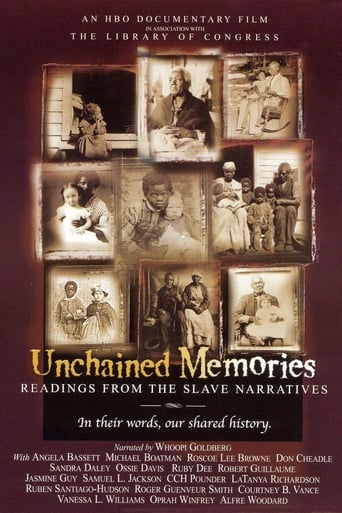
When the Civil War ended in 1865, more than four million slaves were set free. Over 70 years later, the memories of some 2,000 slave-era survivors were transcribed and preserved by the Library of Congress. These first-person anecdotes, ranging from the brutal to the bittersweet, have been brought to vivid life in this unique HBO documentary special, featuring the on-camera voices of over a dozen top African-American actors.
Kathy's family left on a Saturday morning in 1965. The rumble of bulldozers echoed through the neighborhood, and her block was empty. Federally-funded urban renewal had arrived in Charlottesville, scattering dozens of families like Kathy's. The once-vibrant African American community, built by formerly enslaved men and women who had secured a long-denied piece of the American dream, disappeared.
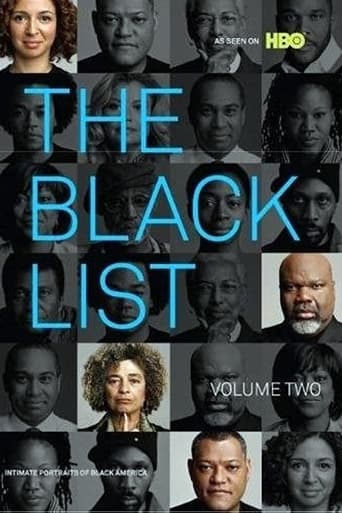
THE BLACK LIST: VOL. 2 profiles some of today's most fascinating African-Americans. From the childhood inspirations that shaped their ambitions, to the evolving American landscape they helped define, to the importance of preserving a unique cultural identity for future generations, these prominent individuals offer a unique look into the zeitgeist of black America, redefining the traditional pejorative notion of a blacklist.
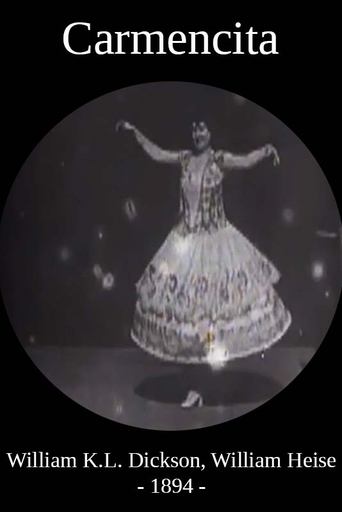
The first woman to appear in front of an Edison motion picture camera and possibly the first woman to appear in a motion picture within the United States. In the film, Carmencita is recorded going through a routine she had been performing at Koster & Bial's in New York since February 1890.
Six young black men from Akron, Ohio, enter college, determined to redefine society's images and low expectations. Despite their confidence, the stark reality of being away from home brings a series of crises. Well trained in critical and metaphorical thinking, and unusually articulate about their inner lives, each of the protagonists guides us to his core. Since sixth grade, they have been part of an innovative mentoring program called 'Alchemy, Inc.' that uses mythological stories, drumming and writing. In the twice-yearly reunion workshops everyone speaks of his trials and his triumphs with authenticity, intelligence, honesty and heart. In turns quiet, thoughtful and exuberant, the six protagonists grow before our eyes, whether navigating racial provocations, or seeking support with new friends, estranged fathers and wise grandmothers.

An American story. Traces the career of Joe Louis (1914-1981) within the context of American racial consciousness: his difficulty getting big fights early in his career, the pride of African-Americans in his prowess, the shift of White sentiment toward Louis as Hitler came to power, Louis's patriotism during World War II, and the hounding of Louis by the IRS for the following 15 years. In his last years, he's a casino greeter, a drug user, and the occasional object of scorn for young Turks like Muhammad Ali. Appreciative comment comes from boxing scholars, Louis's son Joe Jr., friends, and icons like Maya Angelou, Dick Gregory, and Bill Cosby.
RICHARD WRIGHT was an African-American author of novels, short stories and non-fiction that dealt with powerful themes and controversial topics. Much of his works concerned racial themes that helped redefine discussions of race relations in America in the mid-20th century. Born on a plantation in Mississippi, Wright was a descendent of the first slaves who arrived in Jamestown Massachusetts. This program follows his arduous path from sharecropper to literary giant. Through authors like H.L. Menken, Sinclair Lewis, Theodore Dreiser, he discovered that literature could be used as a catalyst for social change. In 1937 Wright moved to New York and his work began to garner national attention for it's political and social commentary. Much of Wright's writing focused on the African American community and experience; his novel Native Son won him a Guggenheim Fellowship and was adapted to the Broadway stage with Orson Welles directing in 1941.
Where does voguing come from, and what, exactly, is throwing shade? This landmark documentary provides a vibrant snapshot of the 1980s through the eyes of New York City's African American and Latinx Harlem drag-ball scene. Made over seven years, PARIS IS BURNING offers an intimate portrait of rival fashion "houses," from fierce contests for trophies to house mothers offering sustenance in a world rampant with homophobia, transphobia, racism, AIDS, and poverty. Featuring legendary voguers, drag queens, and trans women — including Willi Ninja, Pepper LaBeija, Dorian Corey, and Venus Xtravaganza.