

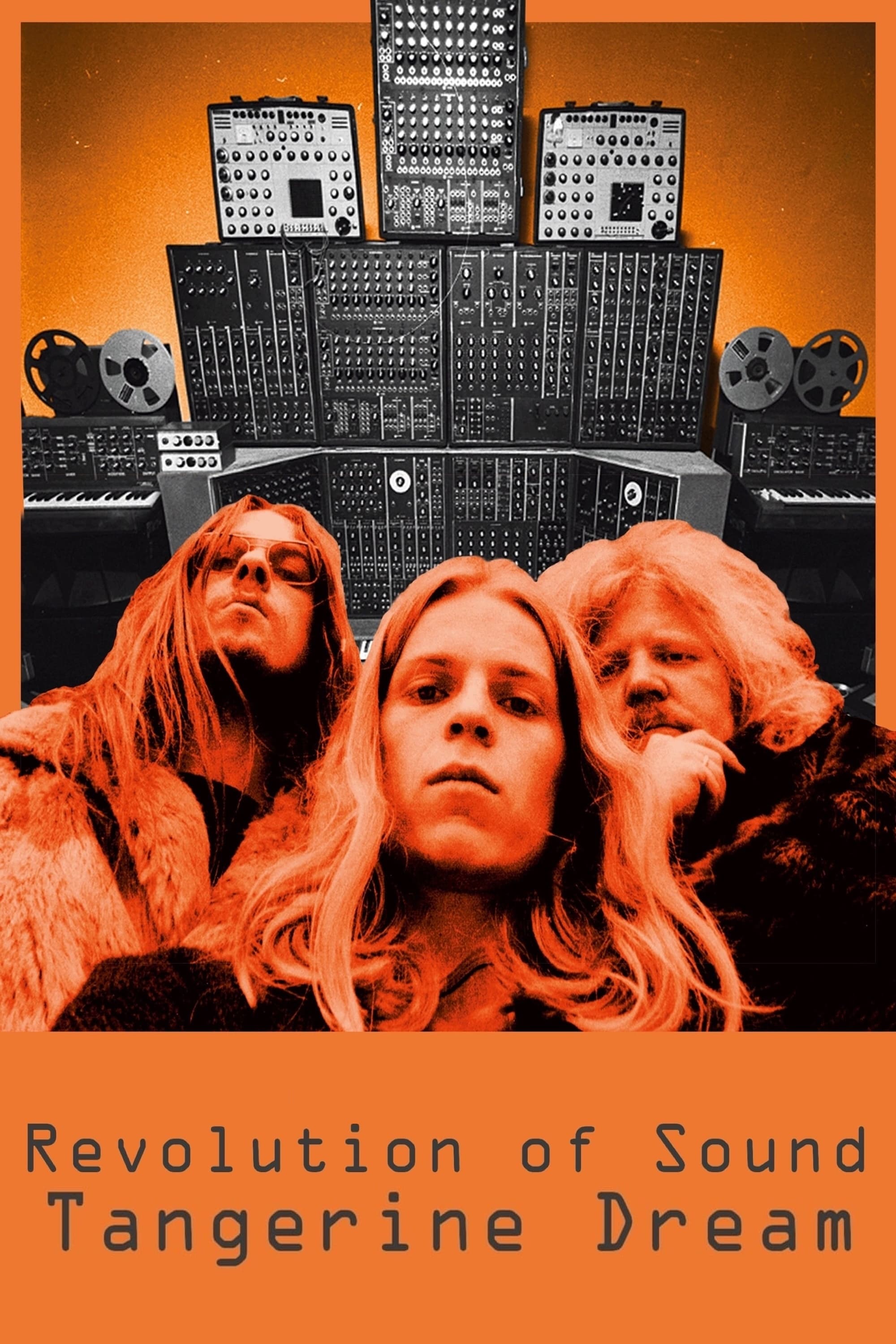
Revolution of Sound - Tangerine Dream
Music · Documentary
Overview
‘Tangerine Dream is science fiction!’ declares band leader Edgar Froese who died in January, 2015 aged 70. For almost fifty years he and his band ‘Tangerine Dream’ explored sound and its effect on our emotions. This film about one of Germany’s first electronic bands kicks off with the young Berlin musicians who were as inspired by the space age of the 1960s, with its rocket launchings and visions of the future, as they were by their own heartbeat, on which Froese also based compositions. Aided by the Moog and other synthesisers Froese (and various band members) revolutionised popular music. His explorations took him into the worlds of classical, new and film music. He preferred to visualise moods rather than create clearly structured songs. A blend of amateur footage, interviews with band members, relatives, friends and colleagues such as Jean-Michel Jarre that creates a comprehensive portrait of an artistic pioneer.







No cast information.
Similar Movies
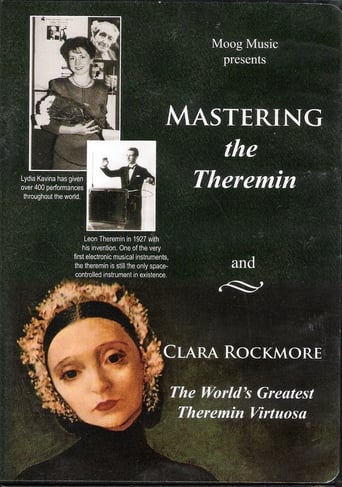
Quite simply the finest theremin player who has ever lived, Clara Rockmore began her performing life as a violin prodigy at the age of 5 years old, still the youngest person ever admitted to the prestigious Imperial Conservatory of Saint Petersburg where she studied under the great Leopold Auer. Due to childhood malnutrition causing bone problems in her teen years, she was forced to give up the violin and moved to New York City in the mid 1920's where she met and became involved with Russian electronics genius Leon Theremin and helped him to refine and perfect his new instrument, giving advice from the standpoint of a musical performer to make the theremin more playable and developing her own hand techniques and exercises for playing the instrument.
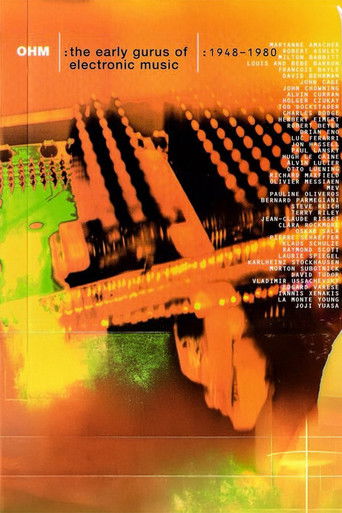
Drawing on rare performances, interviews, animations, and experimental film, this documentary surveys the formative years of electronic music from 1948 to 1980. Featuring pioneering composers and inventors—including Milton Babbitt and Leon Theremin—the film explores the experimental technologies, academic laboratories, and creative struggles that shaped the early evolution of electronic sound.
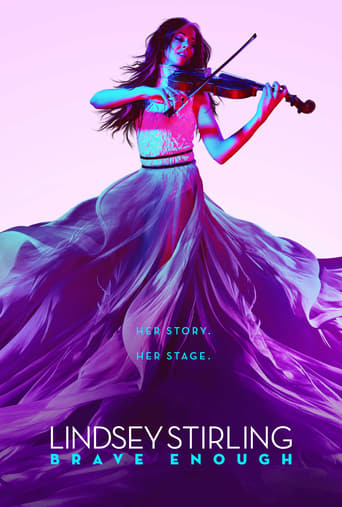
Beginning on the eve of her thirtieth birthday, “Brave Enough,” documents violinist Lindsey Stirling over the past year as she comes to terms with the most challenging & traumatic events of her life. Through her art, she seeks to share a message of hope and courage and yet she must ask herself the question, “Am I Brave Enough?” Capturing her personal obstacles and breakthrough moments during the “Brave Enough,” tour, the film presents an intimate look at this one-of- a-kind artist and her spectacular live performances inspired by real-life heartbreak, joy, and love.
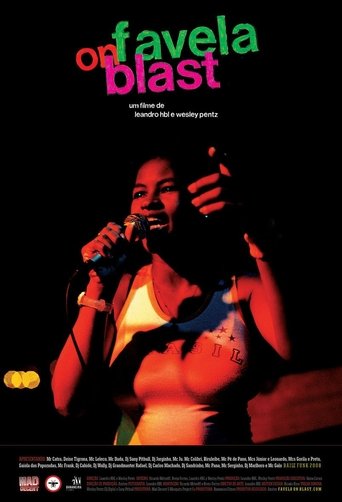
For 20 years, a subculture has emerged in Brazil under society's radar. It is the culture surrounding 'funk carioca', a musical rhythm which mixes the American electronic funk of the 1980s with the most diverse influences of Brazilian music. 'Baile funk' is one of the most interesting musical movements in the world, but it comes from what is at times one of the most violent and poorest places in the world: the slums of Rio de Janeiro (favelas). This music is the personalization of the raw element. Bombastic rhythms coming from the American Miami Bass and samples are fused with powerful rap vocals using Brazilian slang. This documentary tells stories of sex, love, poverty, and pride among Rio's marginalized people. They have their own language, style, and heroes. It's a film that's fast, heavy, and violent like the city itself.

As a sci-fi obsessed woman living in near isolation, Beverly Glenn-Copeland wrote and self-released Keyboard Fantasies in Huntsville, Ontario back in 1986. Recorded in an Atari-powered home-studio, the cassette featured seven tracks of a curious folk-electronica hybrid, a sound realized far before its time. Three decades on, the musician – now Glenn Copeland – began to receive emails from people across the world, thanking him for the music they’d recently discovered.