


Drama
Overview
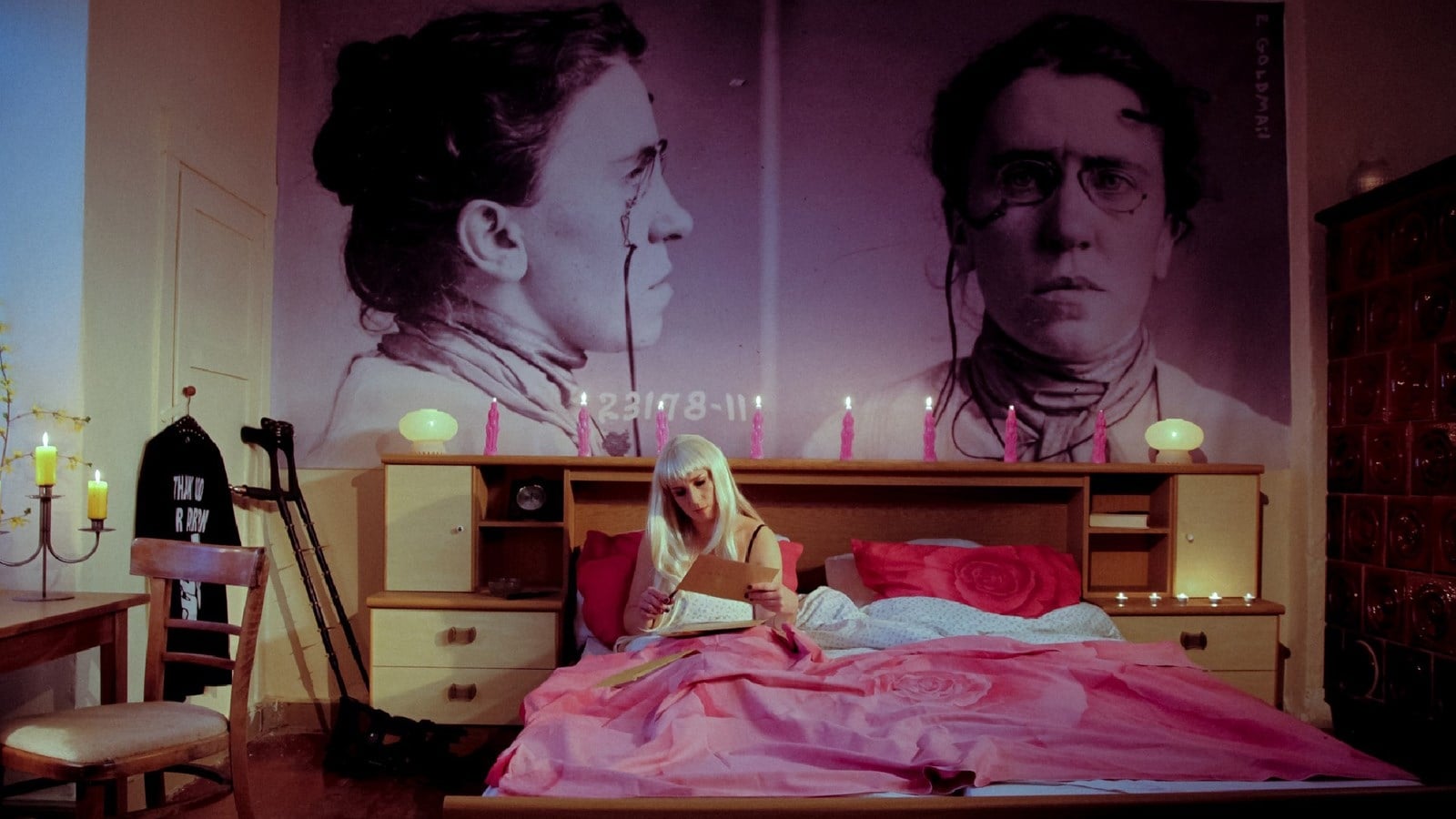
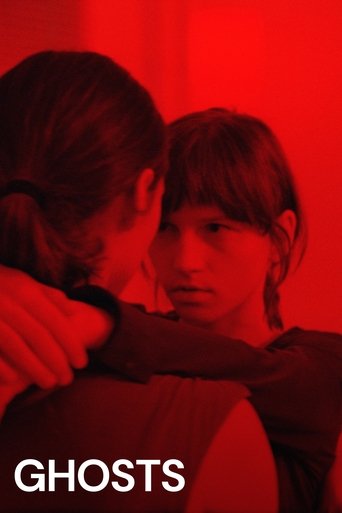
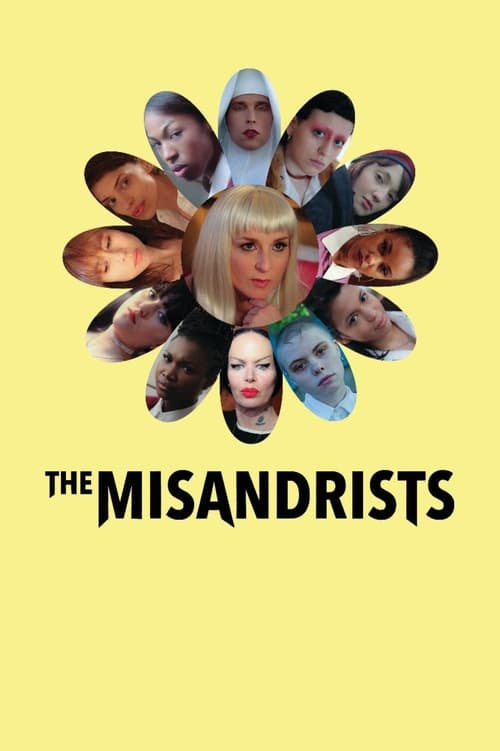
In Ger(wo)many, when an army of radical females is preparing for a final revolution and a utopian world without men, a young male soldier arrives seeking refuge at the convent.





Susanne Sachße
Susanne Sachße
Big Mother
Susanne Sachße
Big Mother
Viva Ruiz
Viva Ruiz
Sister Dagmar
Viva Ruiz
Sister Dagmar
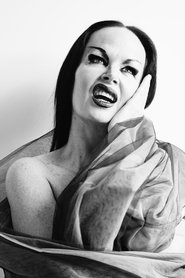
Kembra Pfahler
Kembra Pfahler
Sister Kembra
Kembra Pfahler
Sister Kembra
Caprice Crawford
Caprice Crawford
Sister Barbara
Caprice Crawford
Sister Barbara
Grete Gehrke
Grete Gehrke
Sister Grete
Grete Gehrke
Sister Grete
Kita Updike
Kita Updike
Isolde
Kita Updike
Isolde

Victoire Laly
Victoire Laly
Ute
Victoire Laly
Ute

Olivia Kundisch
Olivia Kundisch
Hilde
Olivia Kundisch
Hilde

Til Schindler
Til Schindler
Volker
Til Schindler
Volker

Lina Bembe
Lina Bembe
Helga
Lina Bembe
Helga
Similar Movies
Nora is a young housewife and mother, living in a quaint little village with her husband and their two sons. The Swiss countryside is untouched by the major social upheavals the movement of 1968 has brought about. Nora’s life is not affected either; she is a quiet person who is liked by everybody – until she starts to publicly fight for women’s suffrage, which the men are due to vote on in a ballot on February 7, 1971.
Nina, a mentally ill teenage orphan, starts a new job as a garden cleaner when she meets Toni. They fall in love but soon Toni starts betraying Nina. Meanwhile, Francoise is picked up at a Berlin psychiatric hospital by her husband, Pierre. After spotting Nina, Francoise believes that she has found her kidnapped daughter Marie, but no one believes her.
During her wedding ceremony, Rachel notices Luce in the audience and feels instantly drawn to her. The two women become close friends, and when Rachel learns that Luce is a lesbian, she realizes that despite her happy marriage to Heck, she is falling for Luce. As she questions her sexual orientation, Rachel must decide between her stable relationship with Heck and her exhilarating new romance with Luce.
After World War II, Antonia and her daughter, Danielle, go back to their Dutch hometown, where Antonia's late mother has bestowed a small farm upon her. There, Antonia settles down and joins a tightly-knit but unusual community. Those around her include quirky friend Crooked Finger, would-be suitor Bas and, eventually for Antonia, a granddaughter and great-granddaughter who help create a strong family of empowered women.
Directed by Solveig Hoogesteijn, Macu, the Policeman's Woman (1987) is a Venezuelan crime drama based on a true story. The film follows Macu, a young woman living in a Venezuelan shantytown, who becomes romantically involved with a local policeman named Ismael. As their relationship develops, Ismael's jealousy intensifies, leading to tragic consequences. The narrative delves into themes of power, control, and the dynamics of abusive relationships within marginalized communities. The film is notable for its exploration of gender roles and societal issues in Latin America.