

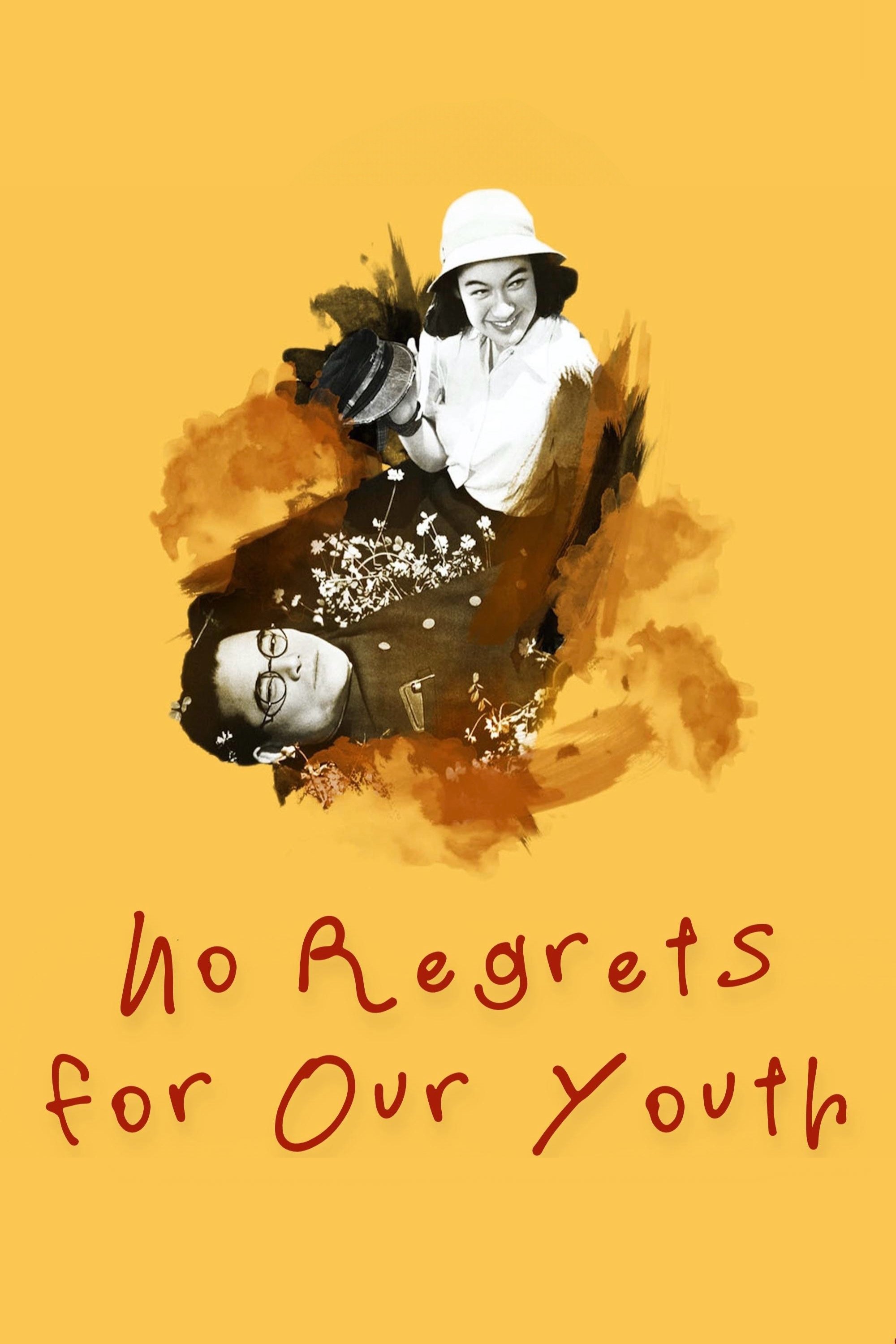
No Regrets for Our Youth
Drama
Overview
After her anti-fascist professor father is dismissed, Yukie navigates love, political repression, and wartime upheaval—ultimately forging her own path in pre- and post-WWII Japan.
Top Cast

Setsuko Hara
Yukie Yagihara
Susumu Fujita
Ruykichi Noge
Denjirō Ōkōchi
Professor Yagihara
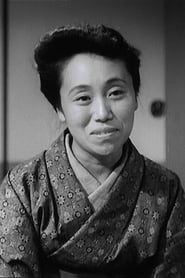
Haruko Sugimura
Madame Noge
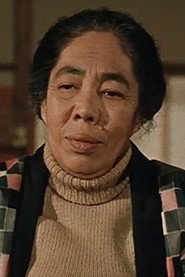
Eiko Miyoshi
Madame Yagihara
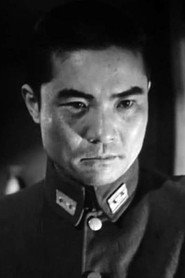
Akitake Kōno
Itokawa

Kokuten Kōdō
Mr. Noge
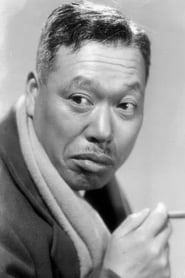
Takashi Shimura
Police Commissioner 'Poison Strawberry' Dokuichigo
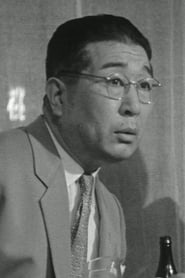
Taizō Fukami
Minister of Education
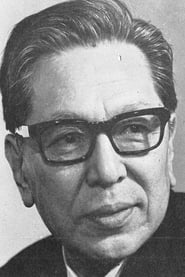
Masao Shimizu
Professor Hakozaki

Haruo Tanaka
Student
Kazu Hikari
Detective


Setsuko Hara
Setsuko Hara
Yukie Yagihara
Setsuko Hara
Yukie Yagihara
Susumu Fujita
Susumu Fujita
Ruykichi Noge
Susumu Fujita
Ruykichi Noge
Denjirō Ōkōchi
Denjirō Ōkōchi
Professor Yagihara
Denjirō Ōkōchi
Professor Yagihara
Haruko Sugimura
Haruko Sugimura
Madame Noge
Haruko Sugimura
Madame Noge
Eiko Miyoshi
Eiko Miyoshi
Madame Yagihara
Eiko Miyoshi
Madame Yagihara
Akitake Kōno
Akitake Kōno
Itokawa
Akitake Kōno
Itokawa
Kokuten Kōdō
Kokuten Kōdō
Mr. Noge
Kokuten Kōdō
Mr. Noge
Takashi Shimura
Takashi Shimura
Police Commissioner 'Poison Strawberry' Dokuichigo
Takashi Shimura
Police Commissioner 'Poison Strawberry' Dokuichigo
Taizō Fukami
Taizō Fukami
Minister of Education
Taizō Fukami
Minister of Education
Masao Shimizu
Masao Shimizu
Professor Hakozaki
Masao Shimizu
Professor Hakozaki
Similar Movies
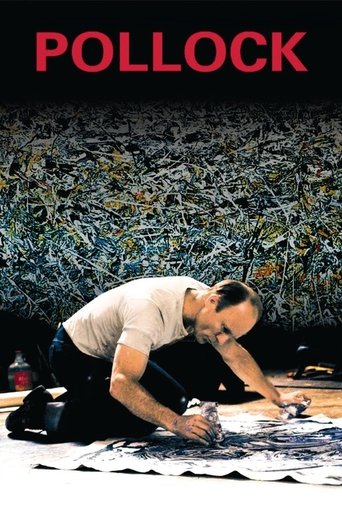
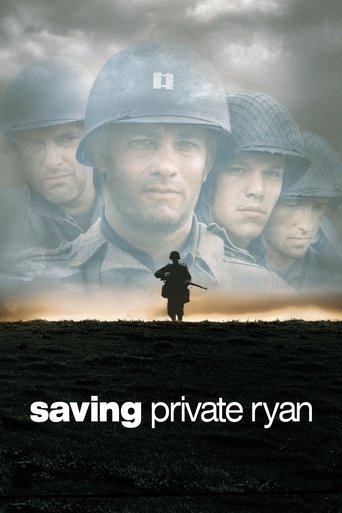
In August of 1949, Life Magazine ran a banner headline that begged the question: "Jackson Pollock: Is he the greatest living painter in the United States?" The film is a look back into the life of an extraordinary man, a man who has fittingly been called "an artist dedicated to concealment, a celebrity who nobody knew." As he struggled with self-doubt, engaging in a lonely tug-of-war between needing to express himself and wanting to shut the world out, Pollock began a downward spiral.
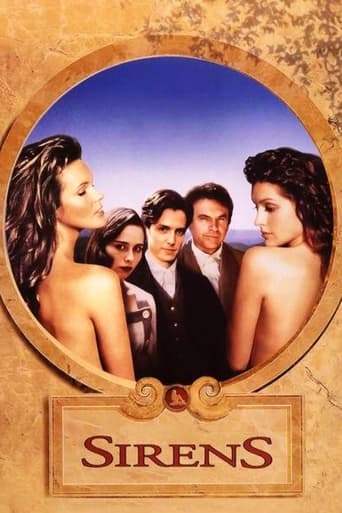
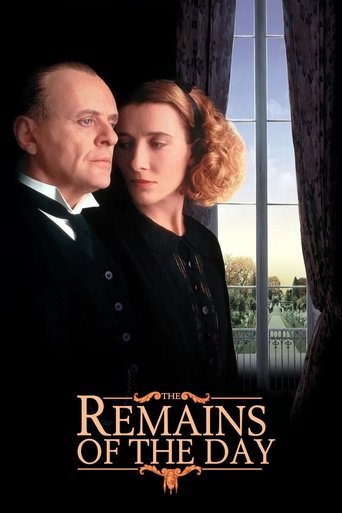
In 1930s Australia, Anglican clergyman Anthony Campion and his prim wife, Estella, are asked to visit noted painter Norman Lindsay, whose planned contribution to an international art exhibit is considered blasphemous. While Campion and Lindsay debate, Estella finds herself drawn to the three beautiful models sitting for the painter's current work, freethinking Sheela, sensual Pru and virginal Giddy.

A middle school teacher's life is thrown into turmoil when dozens of students dye their hair gold and his girlfriend suddenly proposes marriage, triggering a media frenzy and government intervention, forcing him to team up with the student mastermind behind the hair trend to navigate the chaos and confront his own journey from a jaded, reluctant adult to a mature, responsible one.
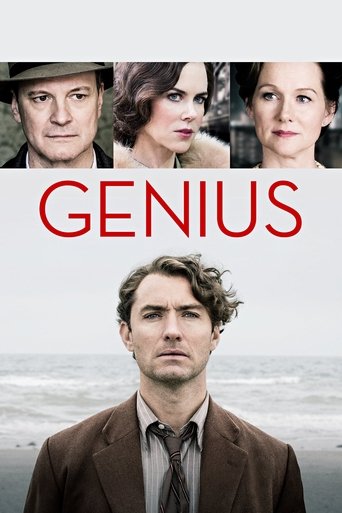
New York in the 1920s. Max Perkins, a literary editor is the first to sign such subsequent literary greats as Ernest Hemingway and F. Scott Fitzgerald. When a sprawling, chaotic 1,000-page manuscript by an unknown writer falls into his hands, Perkins is convinced he has discovered a literary genius.
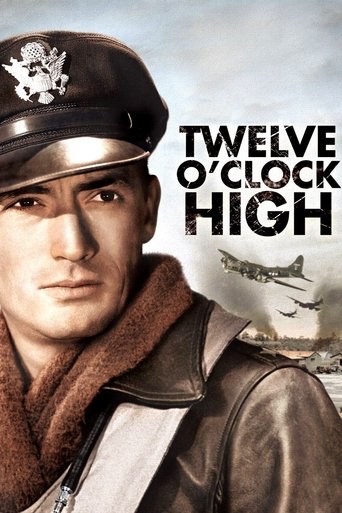
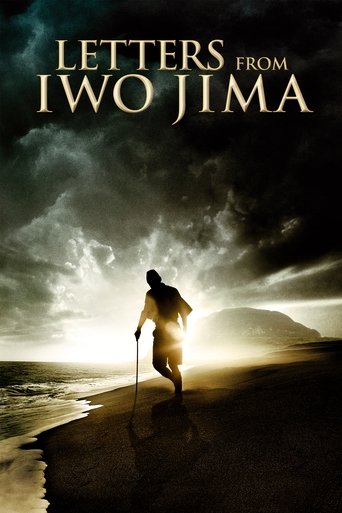
In the early days of daylight bombing raids over Germany, General Frank Savage must take command of a 'hard luck' bomber group. Much of the story deals with his struggle to whip his group into a disciplined fighting unit in spite of heavy losses, and withering attacks by German fighters over their targets.
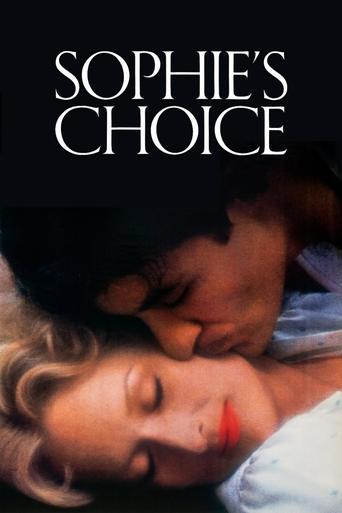
Stingo, a young writer, moves to Brooklyn in 1947 to begin work on his first novel. As he becomes friendly with Sophie and her lover Nathan, he learns that she is a Holocaust survivor. Flashbacks reveal her harrowing story, from pre-war prosperity to Auschwitz. In the present, Sophie and Nathan's relationship increasingly unravels as Stingo grows closer to Sophie and Nathan's fragile mental state becomes ever more apparent.
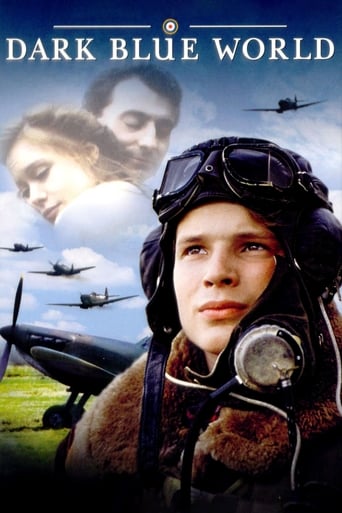
Lt. Franta Slama is a top pilot in the Czech Air Force who is assigned to train a promising young flier, Karel Vojtisek, and they soon become friends. When Nazi Germany invades Czechoslovakia in 1939, they both reject the authority of their new leaders and escape to England where they join other Czech exiles in the RAF. While flying a mission over England, Karel crash lands and happens upon the farmhouse of Susan, a young woman whose husband is in the Navy. Karel soon falls head over heels for Susan but, while they enjoy a brief fling, in time Susan decides she prefers the company of the older and more worldly Franta. As Franta and Karel struggle to maintain their friendship despite their romantic rivalry.
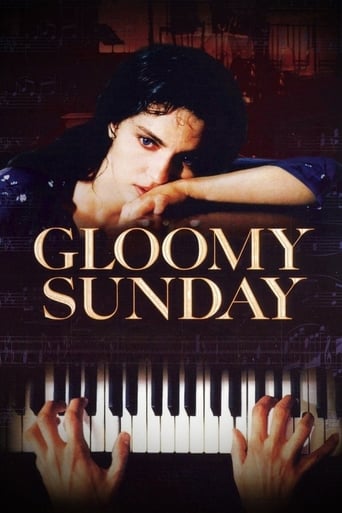
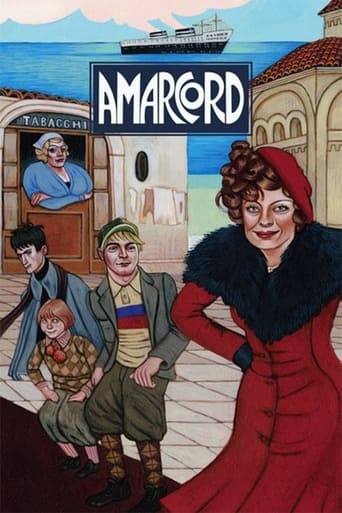
Budapest in the 1930s. Restaurant owner Laszlo hires pianist András to play in his restaurant. Both men fall in love with the beautiful waitress Ilona who inspires András to his only composition. His song of Gloomy Sunday is, at first, loved and then feared, for its melancholic melody sets off a chain of suicides. The fragile balance of the erotic ménage à trois is sent off kilter when the German Hans falls in love with Ilona as well.