

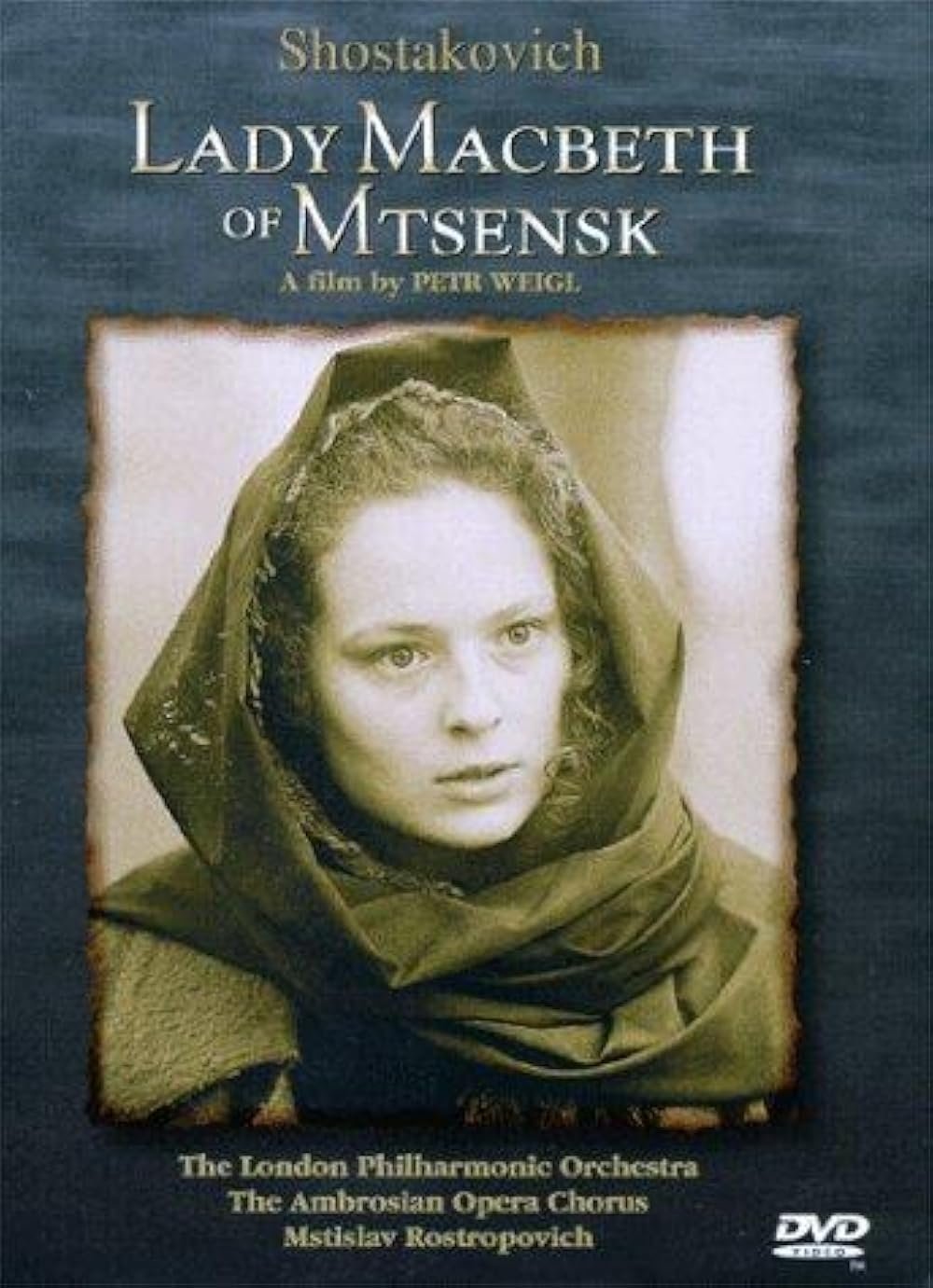
Lady Macbeth of Mtsensk
Drama · Music
Overview
A young woman, married to a wealthy man, but miserably lonely; trapped within a world ruled with an iron fist. Katerina is driven by a lust for life and for love. Her husband, though, is impotent; her father-in-law a tyrant. No wonder, then, that she longs to free herself from this yoke. When Sergei starts work on the family estate, she sees in him a chance for salvation. However, their subsequent affair marks the beginning of a descent into crime.
Top Cast

Markéta Hrubešová
Kateřina
Galina Vishnevskaya
Kateřina (singing voice)
Michal Dlouhý
Sergei
Nicolai Gedda
Sergei (singing voice)
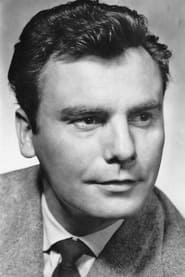
Petr Haničinec
Boris
Dimiter Petkov
Boris (singing voice)

Václav Neckář
Sinowi
Werner Krenn
Sinowi (singing voice)
Eva Šlosárová
Axinija
Taru Valjakka
Axinija (singing voice)
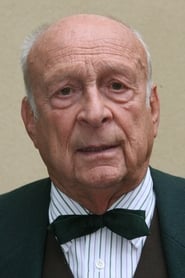
Stanislav Zindulka
Schäbiger Mann
Robert Tear
Schäbiger Mann (singing voice)



Markéta Hrubešová
Markéta Hrubešová
Kateřina
Markéta Hrubešová
Kateřina
Galina Vishnevskaya
Galina Vishnevskaya
Kateřina (singing voice)
Galina Vishnevskaya
Kateřina (singing voice)
Michal Dlouhý
Michal Dlouhý
Sergei
Michal Dlouhý
Sergei
Nicolai Gedda
Nicolai Gedda
Sergei (singing voice)
Nicolai Gedda
Sergei (singing voice)
Petr Haničinec
Petr Haničinec
Boris
Petr Haničinec
Boris
Dimiter Petkov
Dimiter Petkov
Boris (singing voice)
Dimiter Petkov
Boris (singing voice)
Václav Neckář
Václav Neckář
Sinowi
Václav Neckář
Sinowi
Werner Krenn
Werner Krenn
Sinowi (singing voice)
Werner Krenn
Sinowi (singing voice)
Eva Šlosárová
Eva Šlosárová
Axinija
Eva Šlosárová
Axinija
Taru Valjakka
Taru Valjakka
Axinija (singing voice)
Taru Valjakka
Axinija (singing voice)
Similar Movies
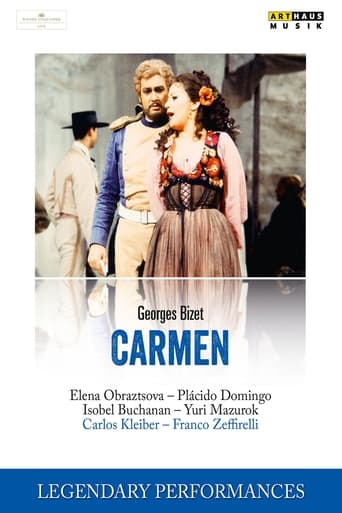
CARMEN is the classic tale of forbidden passion between a young man and a spoken-for woman, Carmen. From ORF and TDK Music, this release features a live performance of Georges Bizet's 19th century operatic masterwork Carmen. Directed by Academy Award-nominated filmmaker Franco Zeffirelli, the production was shot on December 9, 1978, at the Wiener Straatsoper. Starring Elena Obraztsova in the titular role, the orchestra is conducted by Carlos Kleiber.
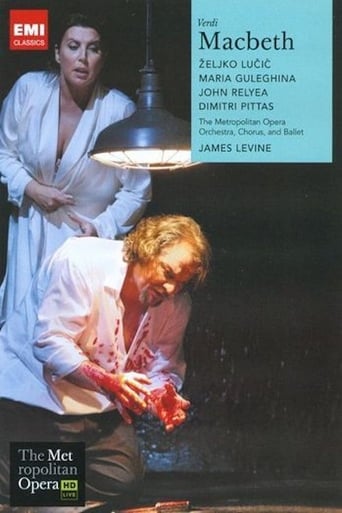
Verdi’s admiration for Shakespeare led to such masterpieces as Othello and Falstaff, and if the earlier Macbeth isn’t on their exalted level it’s still a powerfully dramatic opera that hews closely to the original’s story line. The MET’s production retains the dark aura of the opera while updating it to a vaguely post-modern context. So the witches are bag ladies in various stages of decrepitude, with children in tow. The Banquet Scene features lowered chandeliers, a plethora of chairs, and a slew of extras dressed in tuxedos and party gowns. Macbeth sports a leather coat, the soldiers are in drab brown uniforms and seem to have fingers on their triggers even when they’re supposed to be in non-threatening situations. Director Adrian Noble also has Lady Macbeth do an inordinate amount of writhing around and singing from a lying-down position, adding to the feeling that a less interventionist directorial hand might have generated more impact.
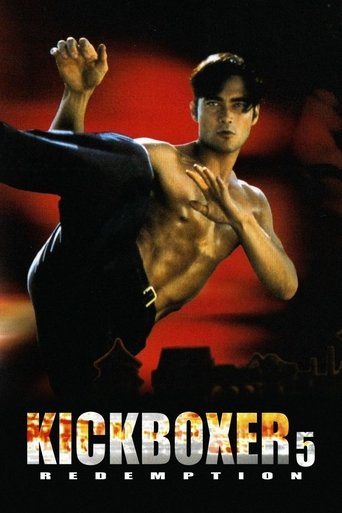
Kickboxing champion Matt Reeves witnesses the murder of his friend Johnny. While investigating the crime, he learns that a Mr. Negaal in South Africa has founded a new kickboxing association and does not leave international champions much of a chance. Johnny had to pay with his life when he did not want to join. Neegal seems to kill everybody who is in his way especially David Sloan from the previous Kickboxer films. Matt is on his own now, but suddenly finds an unexpected ally.
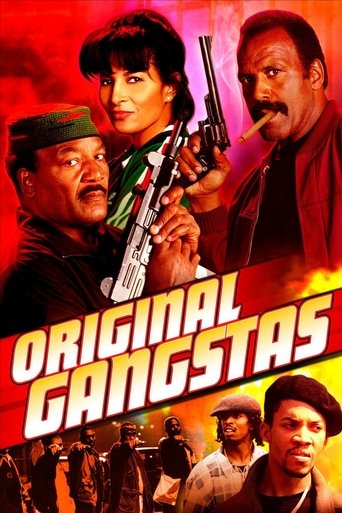
The Rebels rule the streets of Gary, Indiana. They shoot storekeeper Marvin Bookman for giving the police information about a drive-by shooting they committed. Marvin’s son, former NFL star and Rebel founder John returns to be with his father and, with a little help from some friends, to destroy the gang his way.
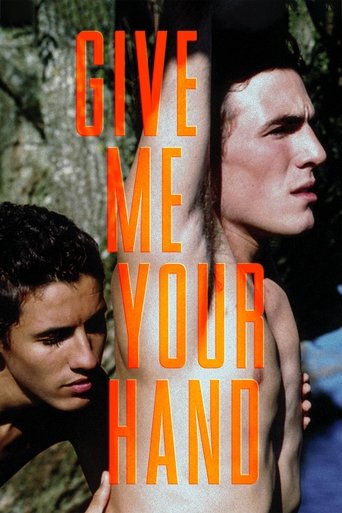
Quentin and Antoine are 18-year-old twins. Without their father knowing it, they set out on a voyage to Spain, where their mother's funeral is to take place. The two brothers barely knew their mother. Their hitchhiking journey is full of encounters, arguments, reconciliations, and experiences. Their time on the road also reveals their differences, the splits in their attractions, and the confusion of their feelings.
Can the darkest moments of life also lift our souls? Drawing on his own experience in a Siberian prison in the company of misfits, murderers and theives, Dostoevsky was inspired to write his novel Notes from a Dead House, telling his brother at the time: ‘Believe me, there were among them deep, strong, beautiful natures, and it often gave me great joy to find gold under a rough exterior.’ In Janáček’s hands, Dostoevsky’s inspiration and the raw material drawn from an appalling world of incarceration find an even more powerful form of expression in his last opera, From the House of the Dead. Unfettered by conventional story-telling, Janáček wrote his own libretto, freely weaving together a series of stories of everyday prison life and of the fates of individual convicts.