

Stalin's Daughter
Documentary · History
Overview
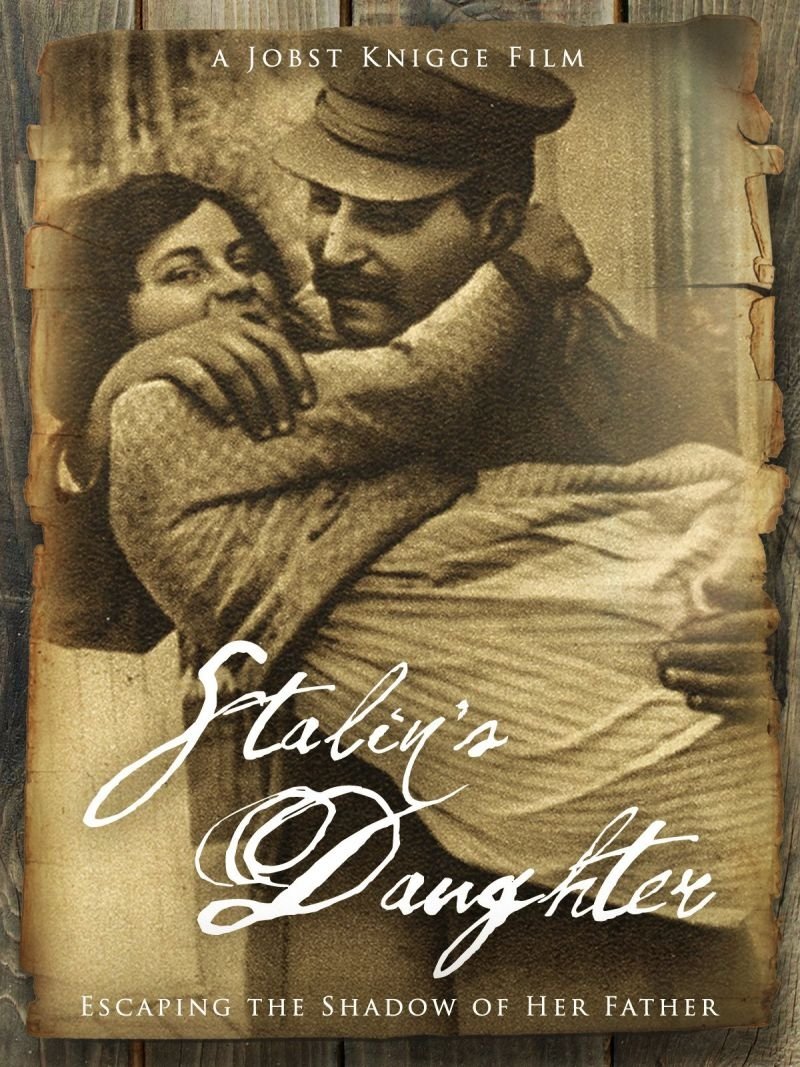
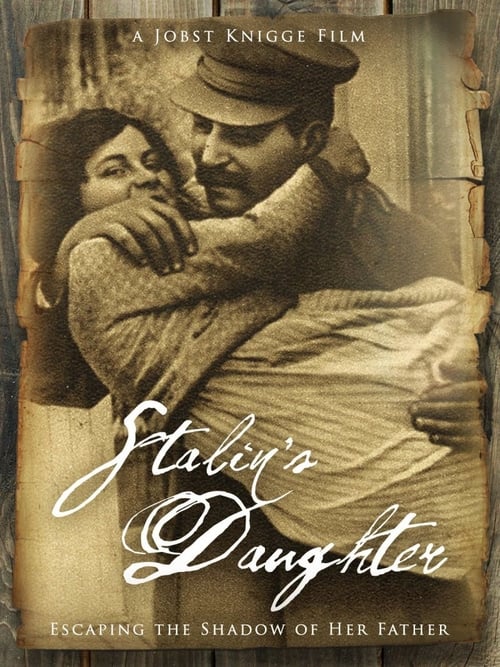
A shock wave started as Stalin's daughter Svetlana Iosifovna Alliluyeva fled to the West. During her childhood, she remained at the center of power and was her father's favorite child. However, her life was overshadowed by death and violence. Her mother and brother died, family members were murdered, and her partner was exiled by Stalin. The Iron Curtain was an obstacle in her family dream. This documentary shows for the first time interviews with friends and relatives, exclusive photos and documentation, as well as the last and never broadcast interview with Alliloejeva.
Top Cast
Nick Benjamin
Narrator
Svetlana Alliluyeva
Self
Joseph Stalin
(archive footage)
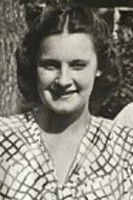
Marfa Peshkova
Self/Maxim Gorky's Granddaughter
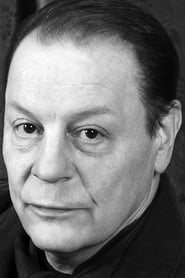
Alexander Burdonsky
Self/Joseph Stalin's Grandchild
Olga Trifonova
Historian
Sergei Khrushchev
Self/Nikita Khrushchev's Son
Martha Schad
Historian
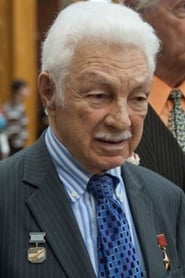
Stepan Mikoyan
Self/Svetlana Alliluyeva's Friend
Vasili Stalin
(archive footage)
Olga Alliluyeva
Self /Svetlana Alliluyeva's Daughter
Rosa Shand
Self/Svetlana Alliluyeva's Friend




Nick Benjamin
Nick Benjamin
Narrator
Nick Benjamin
Narrator
Svetlana Alliluyeva
Svetlana Alliluyeva
Self
Svetlana Alliluyeva
Self
Joseph Stalin
Joseph Stalin
(archive footage)
Joseph Stalin
(archive footage)
Marfa Peshkova
Marfa Peshkova
Self/Maxim Gorky's Granddaughter
Marfa Peshkova
Self/Maxim Gorky's Granddaughter
Alexander Burdonsky
Alexander Burdonsky
Self/Joseph Stalin's Grandchild
Alexander Burdonsky
Self/Joseph Stalin's Grandchild
Olga Trifonova
Olga Trifonova
Historian
Olga Trifonova
Historian
Sergei Khrushchev
Sergei Khrushchev
Self/Nikita Khrushchev's Son
Sergei Khrushchev
Self/Nikita Khrushchev's Son
Martha Schad
Martha Schad
Historian
Martha Schad
Historian
Stepan Mikoyan
Stepan Mikoyan
Self/Svetlana Alliluyeva's Friend
Stepan Mikoyan
Self/Svetlana Alliluyeva's Friend
Vasili Stalin
Vasili Stalin
(archive footage)
Vasili Stalin
(archive footage)
Similar Movies
On September 1st, 1939, Nazi Germany invades Poland, unleashing World War II. On September 17th, the Soviet Red Army crosses the border. The Polish army, unable to fight on two fronts, is defeated. Thousands of Polish men, both military and government officials, are captured by the invaders. Their fate will only be known several years later.

Observing the first years of the formation of Soviet power, about the life and work of Feliks Dzerzhinsky from 1918-1925; in July 1918, as a result of a revolt of the Left Socialist Revolutionaries, German ambassador Mirbach is killed. Feliks Dzerzhinsky alone goes to the headquarters of the Left Socialist Revolutionaries and Anarchists, he manages to persuade ordinary soldiers and sailors, participants in the rebellion, who are now cracking down on their leaders.

Emmy Awards nominee for "Outstanding Individual Achievement in a Craft: Research: Multi-faceted portrait of the man who succeeded Lenin as the head of the Soviet Union. With a captivating blend of period documents, newly-released information, newsreel and archival footage and interviews with experts, the program examines his rise to power, deconstructs the cult of personality that helped him maintain an iron grip over his vast empire, and analyzes the policies he introduced, including the deadly expansion of the notorious gulags where he banished so many of his countrymen to certain death.
Zurich, 1905. Nineteen-year-old Russian Sabina Spielrein is put by her parents in a psychiatric hospital, suffering from a severe form of hysteria and refusing to eat. A compassionate doctor, Carl Gustav Jung, takes her under his care and, for the first time, experiments with the psychoanalytical method of his teacher Sigmund Freud. Thus is born a sweeping story of love and passion, of body and soul, soaring to the utmost heights, but also plunging to the darkest depths of the 20th century.
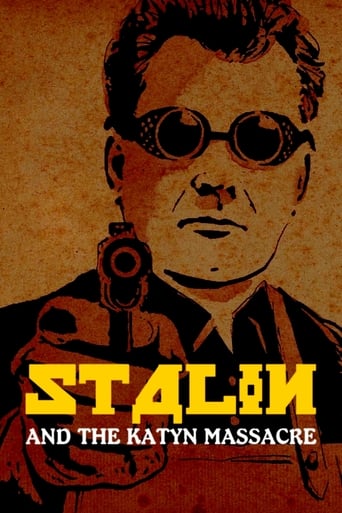
The Katyn massacre, carried out by the Soviet NKVD in 1940, was only one of many unspeakable crimes committed by Stalin's ruthless executioners over three decades. The mass murder of thousands of Polish officers was part of a relentless purge, the secrets and details of which have only recently been partially revealed.
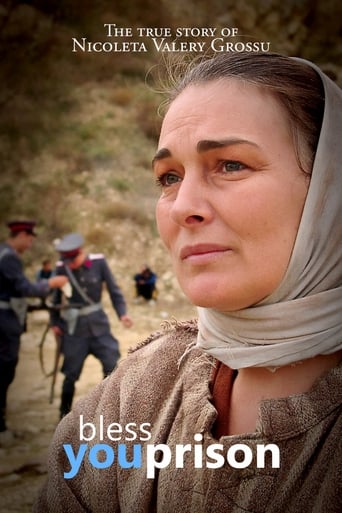
Based on Nicole Valery-Grossu's European best seller autobiographic novel "Bless you, prison", the film is a true story, with real events and characters. A young intellectual woman, Nicole is arrested. There follow three months of exhausting interrogation and isolation. Alone in a cell, she undergoes a spiritual experience similar to that of the great mystics.
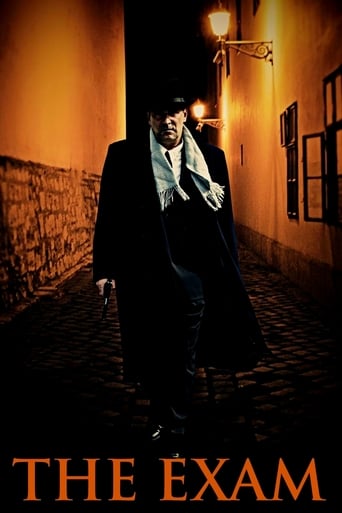
Budapest, Hungary, Christmas 1957. The state, insecure after the defeated revolution of 1956 and increasingly put under the influence of a renewed Stalinist atmosphere, has decreed that all security officials must pass an exam to verify their loyalty. But to be actually effective in a shadowy world where suspicion and secrets reign, the subjects must be unaware that they are being tested.
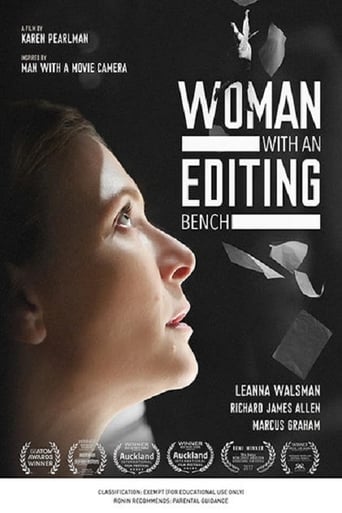
Inspired by the woman who edited "Man with a Movie Camera" (1929), "Woman with an Editing Bench" reveals the personal impact of Stalin’s censorship of cinema on a woman navigating politics, bureaucracy and the impetuous outbursts of collaborators to create something beautiful despite the odds.