

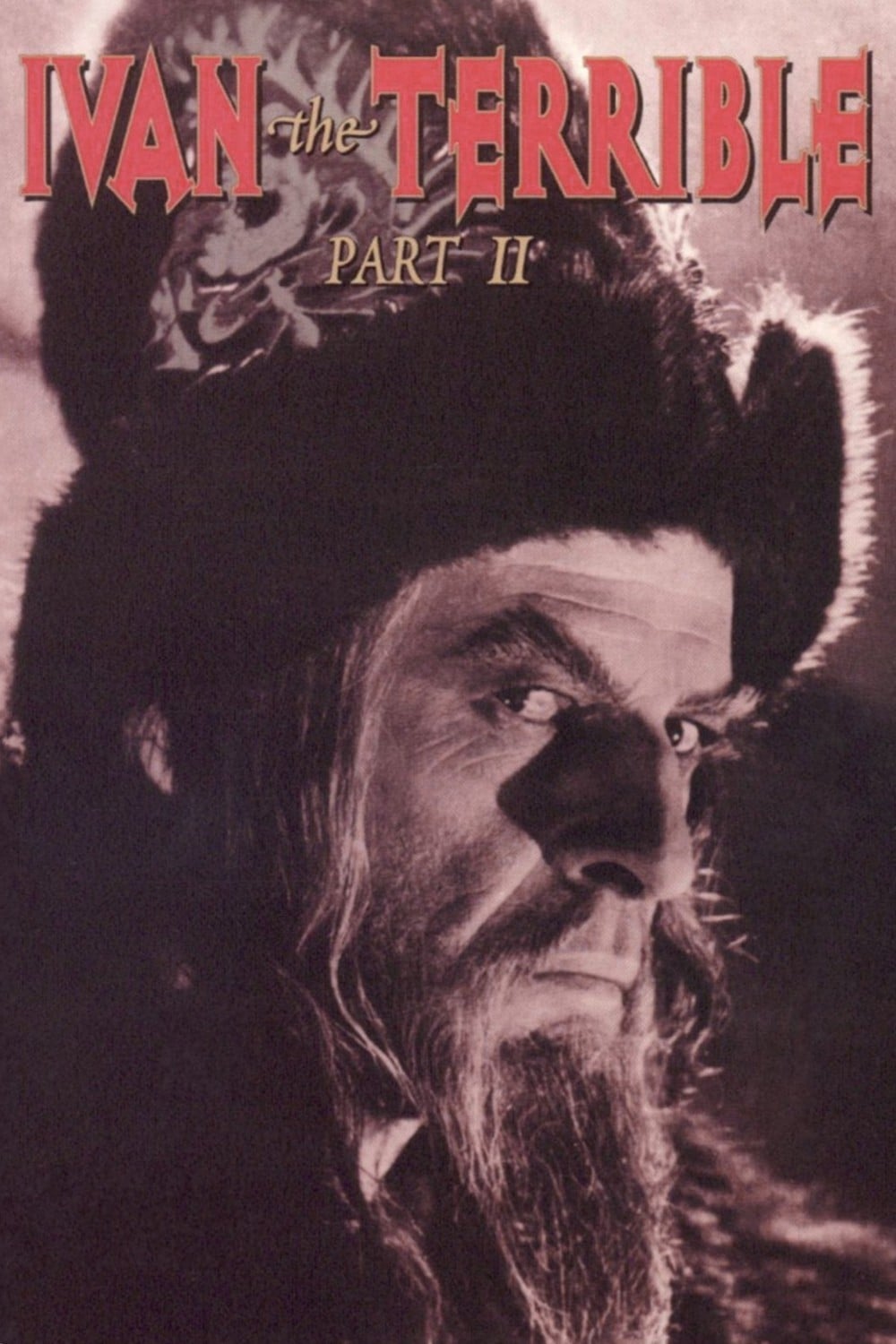
Ivan the Terrible, Part II: The Boyars' Plot
History · Drama
Overview
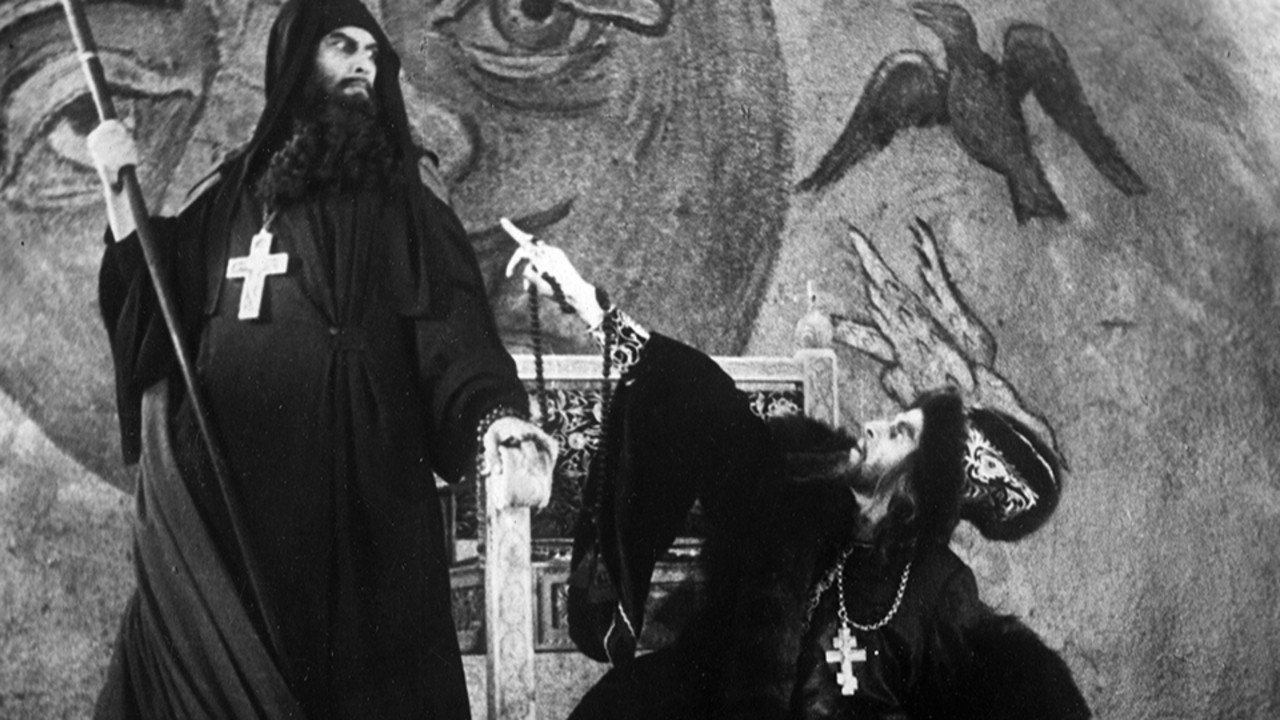
This is the second part of a projected three-part epic biopic of Russian Czar Ivan Grozny, undertaken by Soviet film-maker Sergei Eisenstein at the behest of Josef Stalin. Production of the epic was stopped before the third part could be filmed, due to producer dissatisfaction with Eisenstein's introducing forbidden experimental filming techniques into the material, more evident in this part than the first part. As it was, this second part was banned from showings until after the deaths of both Eisenstein and Stalin, and a change of attitude by the subsequent heads of the Soviet government. In this part, as Ivan the Terrible attempts to consolidate his power by establishing a personal army, his political rivals, the Russian boyars, plot to assassinate him.
Top Cast
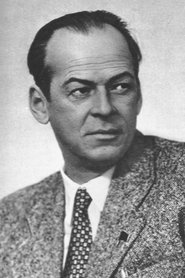
Nikolai Cherkasov
Czar Ivan IV
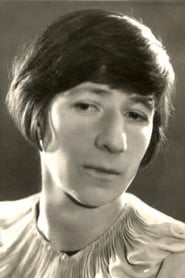
Serafima Birman
Boyarina Efrosinia Staritskaya
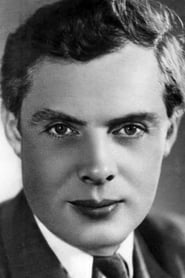
Pavel Kadochnikov
Vladimir Andreyevich Staritsky
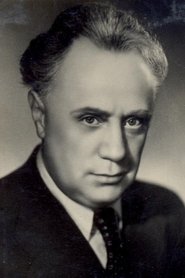
Mikhail Zharov
Czar's Guard Malyuta Skuratov
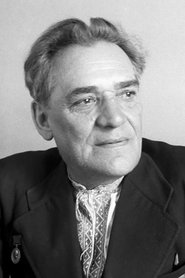
Amvrosii Buchma
Czar's Guard Aleksei Basmanov
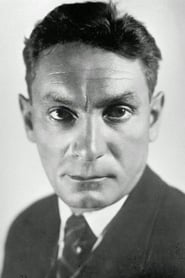
Vsevolod Pudovkin
Nikolay the Fanatic

Mikhail Kuznetsov
Fyodor Basmanov
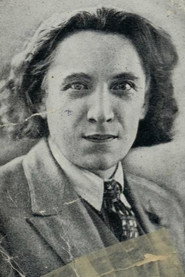
Alexander Mgebrov
Novgorod's Archbishop Pimen
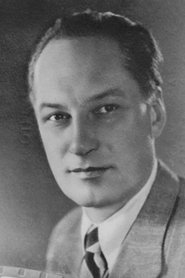
Andrei Abrikosov
Archbishop Philip (formerly Fyodor Kolychev)

Vladimir Balashov
Pyotr Volynets
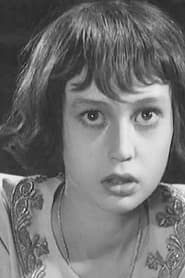
Erik Pyryev
Ivan IV as a boy
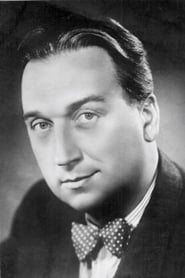
Mikhail Nazvanov
Prince Andrei Kurbsky






Nikolai Cherkasov
Nikolai Cherkasov
Czar Ivan IV
Nikolai Cherkasov
Czar Ivan IV
Serafima Birman
Serafima Birman
Boyarina Efrosinia Staritskaya
Serafima Birman
Boyarina Efrosinia Staritskaya
Pavel Kadochnikov
Pavel Kadochnikov
Vladimir Andreyevich Staritsky
Pavel Kadochnikov
Vladimir Andreyevich Staritsky
Mikhail Zharov
Mikhail Zharov
Czar's Guard Malyuta Skuratov
Mikhail Zharov
Czar's Guard Malyuta Skuratov
Amvrosii Buchma
Amvrosii Buchma
Czar's Guard Aleksei Basmanov
Amvrosii Buchma
Czar's Guard Aleksei Basmanov
Vsevolod Pudovkin
Vsevolod Pudovkin
Nikolay the Fanatic
Vsevolod Pudovkin
Nikolay the Fanatic
Mikhail Kuznetsov
Mikhail Kuznetsov
Fyodor Basmanov
Mikhail Kuznetsov
Fyodor Basmanov
Alexander Mgebrov
Alexander Mgebrov
Novgorod's Archbishop Pimen
Alexander Mgebrov
Novgorod's Archbishop Pimen
Andrei Abrikosov
Andrei Abrikosov
Archbishop Philip (formerly Fyodor Kolychev)
Andrei Abrikosov
Archbishop Philip (formerly Fyodor Kolychev)
Vladimir Balashov
Vladimir Balashov
Pyotr Volynets
Vladimir Balashov
Pyotr Volynets
Similar Movies
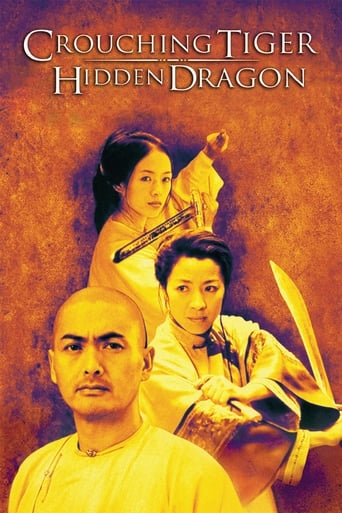
Seibei Iguchi leads a difficult life as a low ranking samurai at the turn of the nineteenth century. A widower with a meager income, Seibei struggles to take care of his two daughters and senile mother. New prospects seem to open up when the beautiful Tomoe, a childhood friend, comes back into he and his daughters' life, but as the Japanese feudal system unravels, Seibei is still bound by the code of honor of the samurai and by his own sense of social precedence. How can he find a way to do what is best for those he loves?
Kyoto, a thousand years ago. Tokimasa, who unexpectedly visits the house of a woman he abandoned long ago, witnesses the woman's corpse, which remains uncorrupted, and an eerie light lingering in the air. Fearing the curse of the woman who died harboring resentment towards him, Tokimasa seeks out the Onmyoji (exorcist) Kamo no Tadayuki... This is a ghost story anime depicting a beautiful tragic love story of the Heian period, based on a story from the Konjaku Monogatari (Tales of Times Now Past).
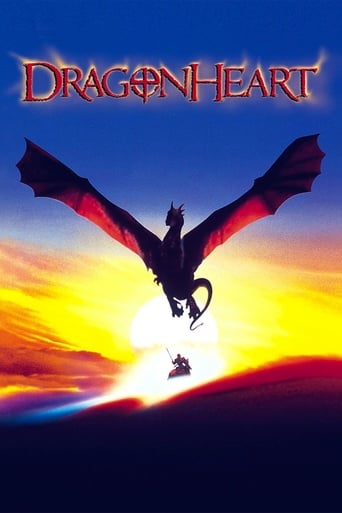
In an ancient time when majestic fire-breathers soared through the skies, a knight named Bowen comes face to face and heart to heart with the last dragon on Earth, Draco. Taking up arms to suppress a tyrant king, Bowen soon realizes his task will be harder than he'd imagined: If he kills the king, Draco will die as well.
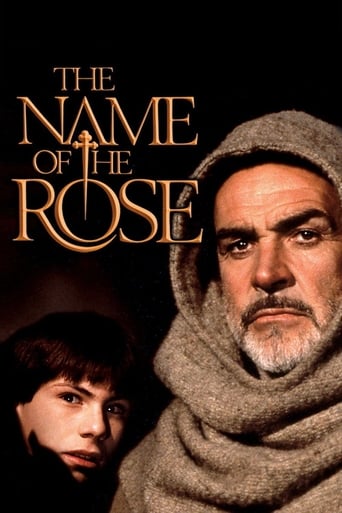
14th-century Franciscan monk William of Baskerville and his young novice arrive at a conference to find that several monks have been murdered under mysterious circumstances. To solve the crimes, William must rise up against the Church's authority and fight the shadowy conspiracy of monastery monks using only his intelligence; which is considerable.
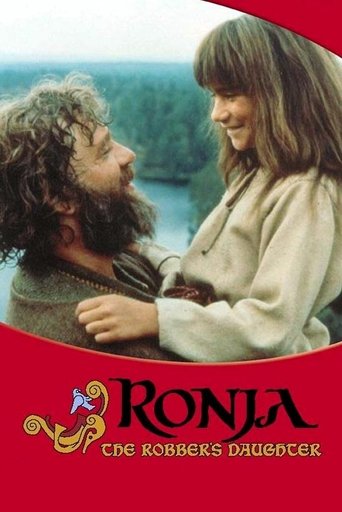
Ronia lives happily in her father's castle until she comes across a new playmate, Birk, in the nearby dark forest. The two explore the wilderness, braving dangerous Witchbirds and Rump-Gnomes. But when their families find out Birk and Ronia have been playing together, they forbid them to see each other again. Indeed, their fathers are competing robber chieftains and bitter enemies. Now the two spunky children must try to tear down the barriers that have kept their families apart for so long.
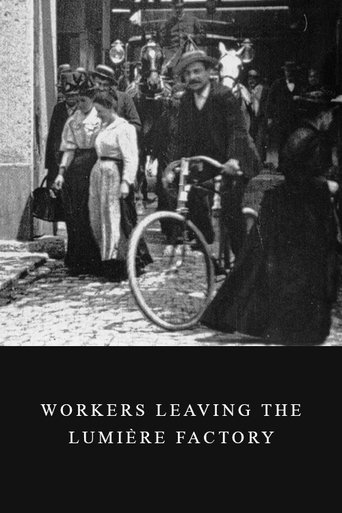
Working men and women leave through the main gate of the Lumière factory in Lyon, France. Filmed on 22 March 1895, it is often referred to as the first real motion picture ever made, although Louis Le Prince's 1888 Roundhay Garden Scene pre-dated it by seven years. Three separate versions of this film exist, which differ from one another in numerous ways. The first version features a carriage drawn by one horse, while in the second version the carriage is drawn by two horses, and there is no carriage at all in the third version. The clothing style is also different between the three versions, demonstrating the different seasons in which each was filmed. This film was made in the 35 mm format with an aspect ratio of 1.33:1, and at a speed of 16 frames per second. At that rate, the 17 meters of film length provided a duration of 46 seconds, holding a total of 800 frames.