

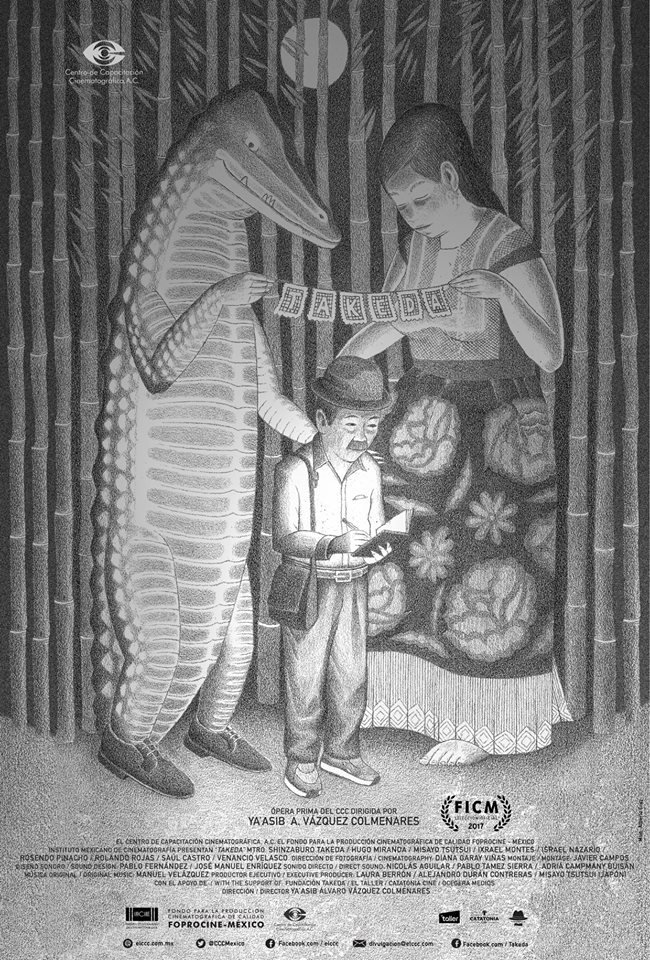
Takeda
Documentary
Overview
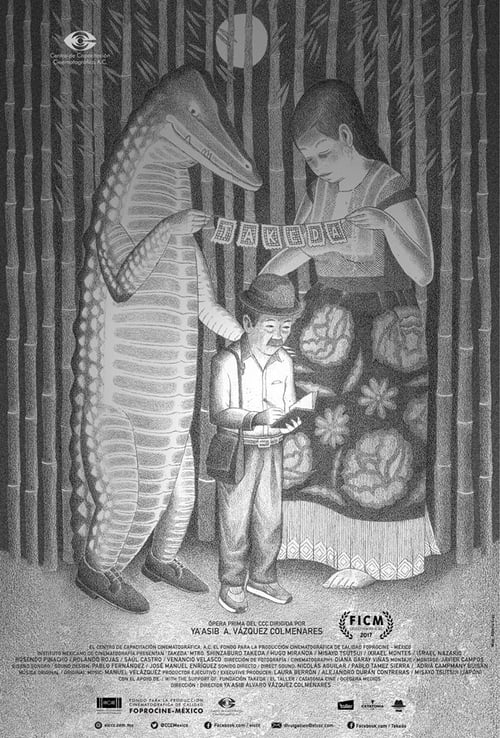
Takeda is a film about the universality of the human being seen thru the eyes of a Japanese painter that has adopted the Mexican culture.
Top Cast



Shinzaburo Takeda
Shinzaburo Takeda
Shinzaburo Takeda
Misayo Tsutsui
Misayo Tsutsui
Misayo Tsutsui
Hugo Velasco
Hugo Velasco
Hugo Velasco
Venancio Velasco
Venancio Velasco
Venancio Velasco
Rolando Rojas
Rolando Rojas
Rolando Rojas
Rosendo Pinacho
Rosendo Pinacho
Rosendo Pinacho
Israel Nazario
Israel Nazario
Israel Nazario
Similar Movies
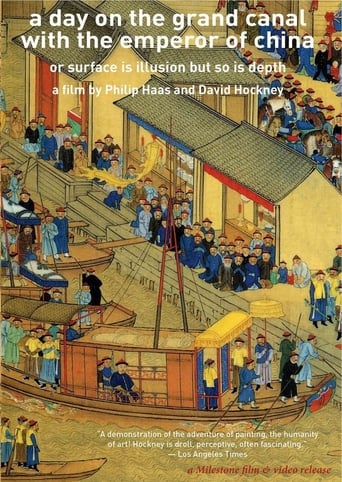
Director Philip Haas and artist David Hockney invite you to join them on a magical journey through China via a marvelous 72-foot long 17th-century Chinese scroll entitled The Kangxi Emperor's Southern Inspection Tour (1691-1698), scroll seven . As Hockney unrolls the beautiful and minutely detailed work of art, he traces the Emperor Kangxi’s second tour of his southern empire in 1689.
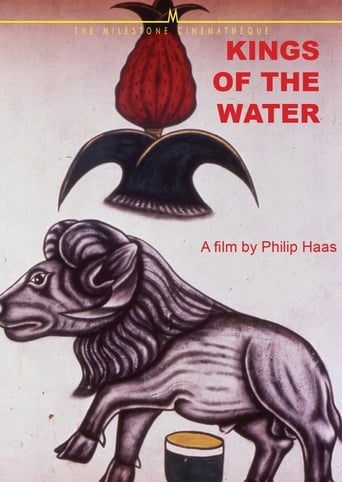
Cyprien Tokoudagba is from the city of Abomey in the Benin Republic of West Africa, where he paints the religious houses of the vodun. Haas and his film crew follow Cyprien as he first paints and then takes part in the ceremony to open a new temple. The paintings include three vodun figures and several emblems, including a pipe and a duck. Cyprien explains his work in the context of the religion and takes the crew to film two other local ceremonies, one where the dead are believed to come back to instruct the living through wild dancing and, another, where women warriors perform their war dances.
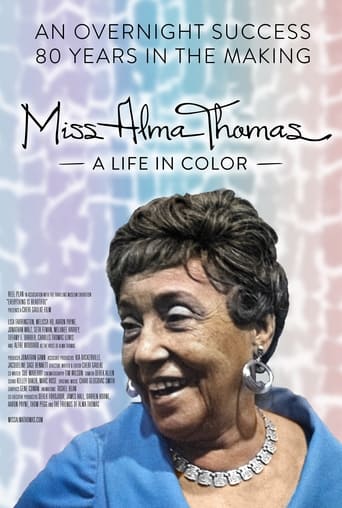
Alma W. Thomas lived a life of firsts: the first Fine Arts graduate of Howard University (1924), the first Black woman to mount a retrospective at the Whitney Museum of American Art (1972), and the first Black woman to have her paintings exhibited in the White House (2009). Yet she did not receive national attention until she was 80.
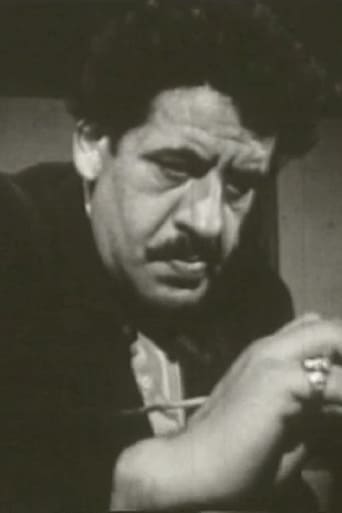
This is the legendary meeting between a young filmmaker and one of the masters of surrealism: the spanish painter Óscar Domínguez, born in La Laguna, Tenerife, in 1906, died in Paris in 1957. In the "Visite," the artist -admirer of Picasso, rebellious disciple of Breton- is presented in solitude, far from the tumult of the exhibitions and parisian circles. An austere approach, almost “povera”, with no audio, nor flashy camera movements, but rarely attractive. Why Resnais could not finish his movie? Hope one of our experts help us to solve the mystery.
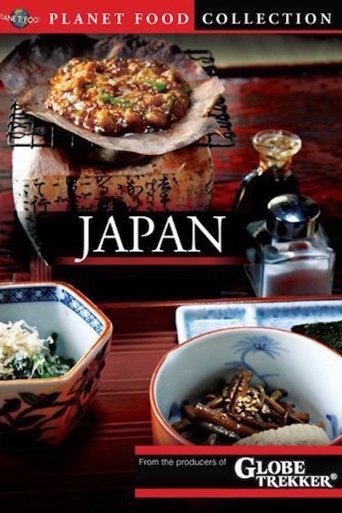
Merrilees Parker travels to Japan to learn about its unique food culture. She begins her journey in Tokyo, at Tsukiji, the world's biggest fish market. Master chef, Romeo teaches her how to make the ultimate sushi, an art that takes years to master. Then it's off to a ramen museum, where you can try various regional styles of the noodle soup. Escaping the city, Merrilees takes the bullet train to Matsusaka where she visits a farm that produces the most expensive beef in the world. She also visits Kyoto and Mount Fuji for the annual Summer Fire Festival to gorge herself on wonderful street food.

A portrait of Highlights Magazine following the creation of the cultural phenomenon's 70th Anniversary issue, from the first editorial meeting to its arrival in homes, and introducing the quirky people who passionately produce the monthly publication for "the world's most important people,"...children. Along the way, a rich and tragic history is revealed, the state of childhood, technology, and education is explored, and the future of print media is questioned.

This 1942 travelogue film, directed by Aldo Ermini and sponsored by the Office of the Coordinator of Inter-American Affairs, showcases Mexican culture during World War II, focusing on various cultural activities and popular entertainers of the time. The film features notable figures like Puerto Rican actress and singer Mapy Cortés, Mexican comedian Cantinflas, and a re-enactment of Aztec traditions.