



War · Drama
Overview
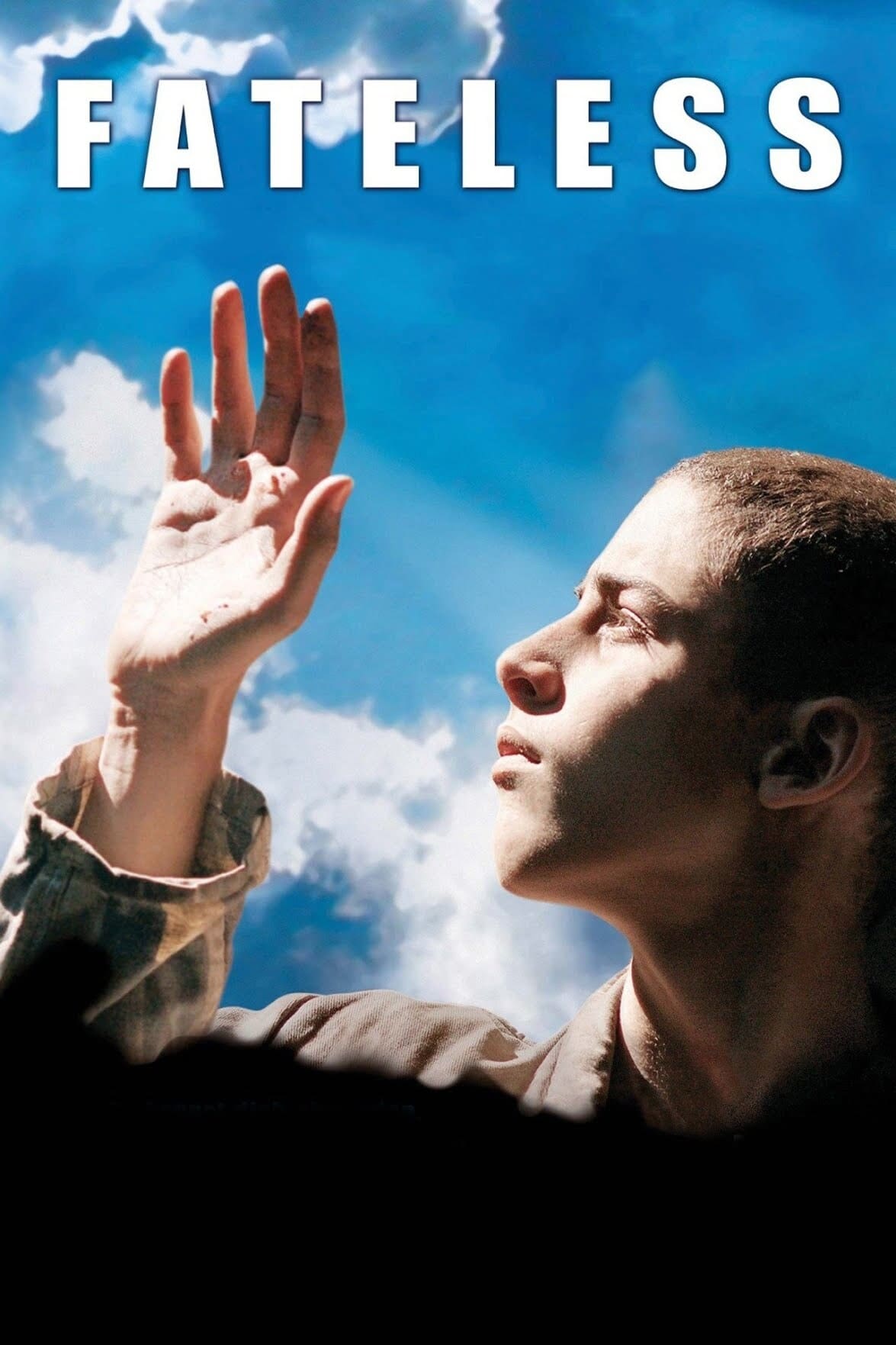
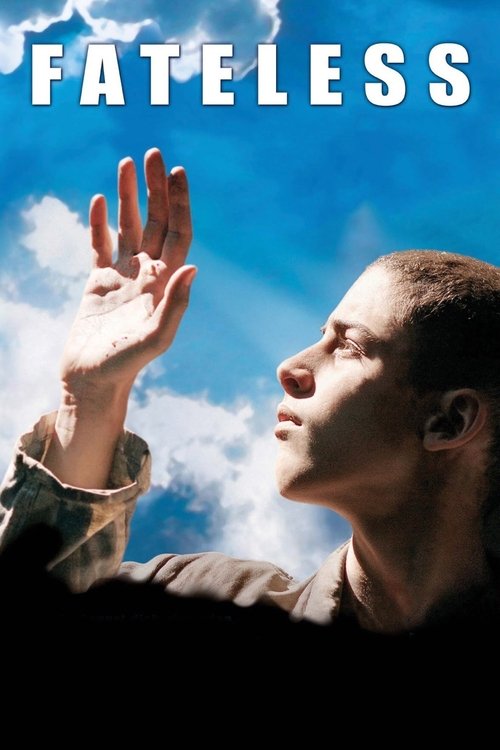
A Hungarian youth comes of age at Buchenwald during World War II. György Köves is 14, the son of a merchant who's sent to a forced labor camp. After his father's departure, György gets a job at a brickyard; his bus is stopped and its Jewish occupants sent to camps. There, György find camaraderie, suffering, cruelty, illness, and death. He hears advice on preserving one's dignity and self-esteem. He discovers hatred. If he does survive and returns to Budapest, what will he find? What is natural; what is it to be a Jew? Sepia, black and white, and color alternate to shade the mood.









Marcell Nagy
Marcell Nagy
György Köves
Marcell Nagy
György Köves

Béla Dóra
Béla Dóra
Smoker
Béla Dóra
Smoker
Bálint Péntek
Bálint Péntek
Pretty boy
Bálint Péntek
Pretty boy

Áron Dimény
Áron Dimény
Bandi Citrom
Áron Dimény
Bandi Citrom

Péter Fancsikai
Péter Fancsikai
Older Kollmann boy
Péter Fancsikai
Older Kollmann boy

Zsolt Dér
Zsolt Dér
Rozi
Zsolt Dér
Rozi
András M. Kecskés
András M. Kecskés
Finn
András M. Kecskés
Finn

Dani Szabó
Dani Szabó
Moskovich
Dani Szabó
Moskovich
Tibor Mertz
Tibor Mertz
Fodor
Tibor Mertz
Fodor

Péter Vida
Péter Vida
Lénárt
Péter Vida
Lénárt
Similar Movies

Without lights and in a driving rain, a bus is lumbering along the muddy Assam Road en route from Chunking to the Indian border. Passengers include a European of unknown nationality, a missionary a French officer, and a White Russian. There is also an ancient Chinese lady on an important diplomatic mission to Indian and her traveling companion. The trip is halted when Japanese planes bomb the road and hit a munitions truck and kill many Chinese soldiers. The Chinese commander puts the wounded soldiers on the bus and directs it to a nearby secret airport where the officer in charge is an American attached to the Chinese Air Force.

The true story of pianist Władysław Szpilman's experiences in Warsaw during the Nazi occupation. When the Jews of the city find themselves forced into a ghetto, Szpilman finds work playing in a café; and when his family is deported in 1942, he stays behind, works for a while as a laborer, and eventually goes into hiding in the ruins of the war-torn city.
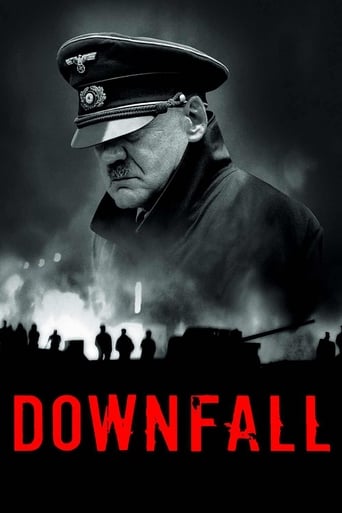
In April of 1945, Germany stands at the brink of defeat with the Russian Army closing in from the east and the Allied Expeditionary Force attacking from the west. In Berlin, capital of the Third Reich, Adolf Hitler proclaims that Germany will still achieve victory and orders his generals and advisers to fight to the last man. When the end finally does come, and Hitler lies dead by his own hand, what is left of his military must find a way to end the killing that is the Battle of Berlin, and lay down their arms in surrender.