


Comedy
Overview
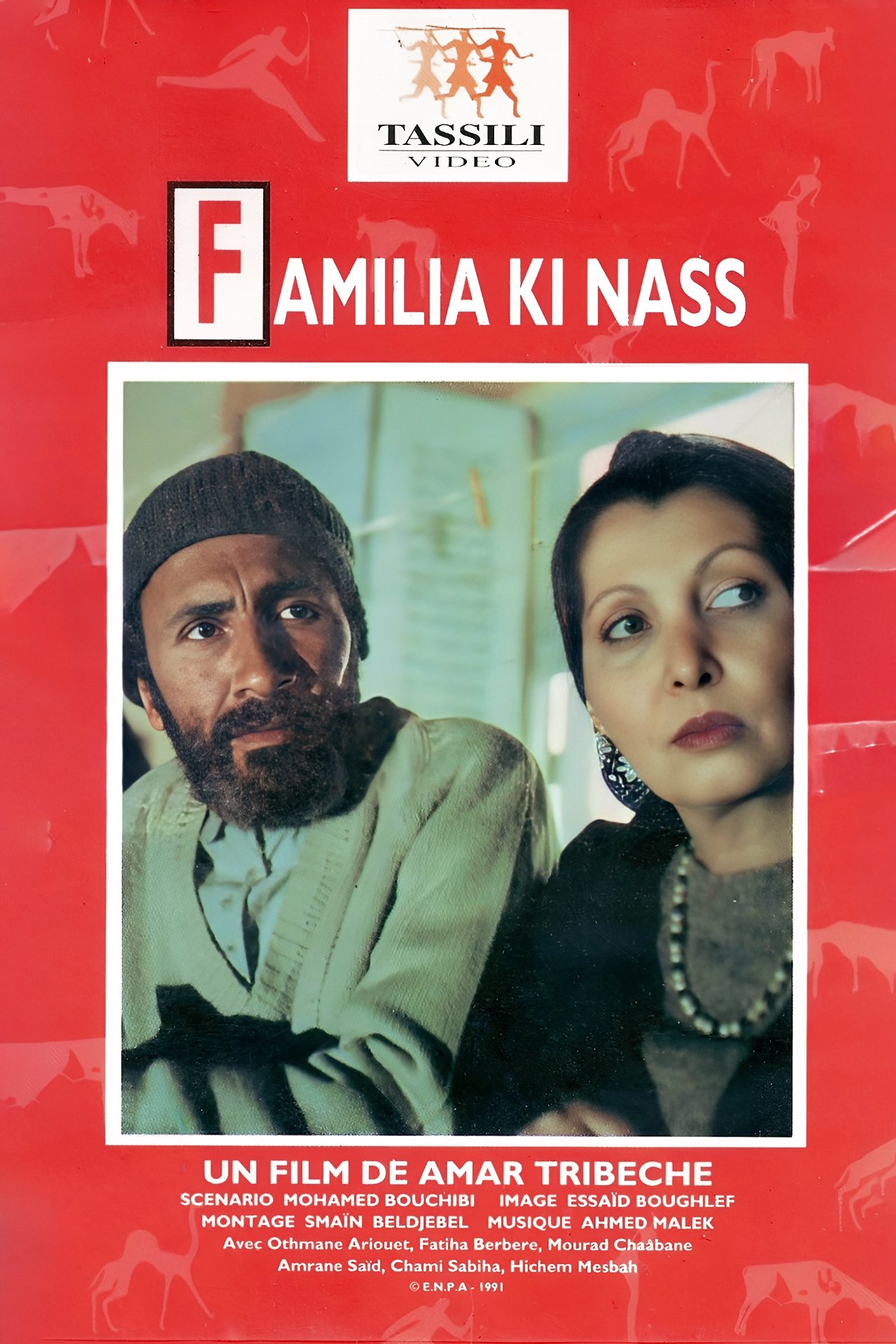
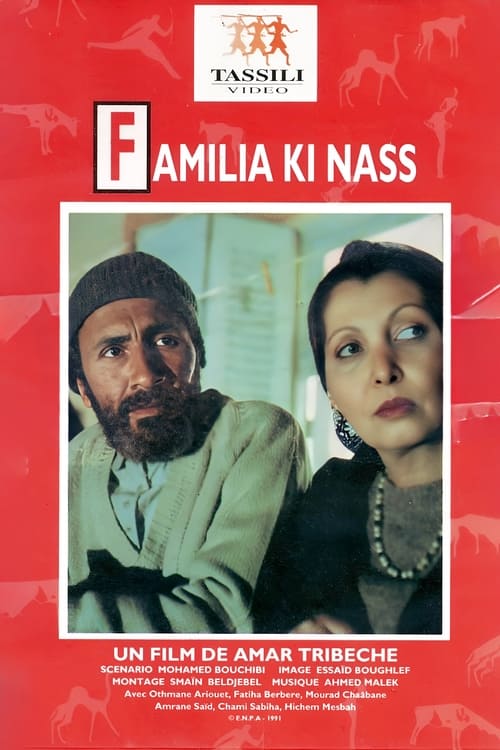
The story of an Algerian family trying to be like everyone else, enjoying a house and having fun in life, especially when the mother insists on buying a car, but the father refuses to do so. The mother intervenes in a strike to talk and eat until the car arrives, The father reluctantly agrees to buy it, so the mother gets up and rushes to the dining table and begins the adventure with this car in a satirical comedy atmosphere where she is exposed to many flaws along the way and intervenes every time their neighbor repairs it because he has fallen in love with their daughter, but her mother opposes it.





Athmane Ariouet
Athmane Ariouet
Le père
Athmane Ariouet
Le père

Fatiha Berber
Fatiha Berber
La mère
Fatiha Berber
La mère
Mourad Chaâbane
Mourad Chaâbane
Le jeune fils
Mourad Chaâbane
Le jeune fils

Sabiha Chami
Sabiha Chami
La fille
Sabiha Chami
La fille
Said Amrane
Said Amrane
Said Amrane
Similar Movies
An Algerian social satire that tells the story of Boujemaa, who marries a second wife in addition to his first wife, who is ill and with whom he has a son and a daughter. Living all under the same roof, the new wife imposes her authority in the house. The lives of the family members are then turned upside down.
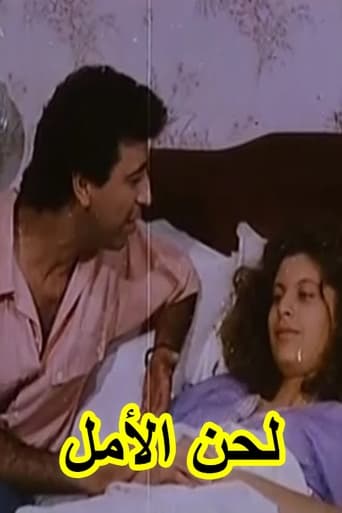
Abderrahim is a mechanic and singer in his spare time. One day, he receives a car to repair, driven by a very beautiful girl. It's love at first sight. They want to get married and start a family, but the girl's parents do not view this love favorably. They decide to marry their daughter to another man. Subsequently, Abderrahim became a famous singer. The loss of her love leaves the young girl in a state of silence from which only Abderrahim can break her.
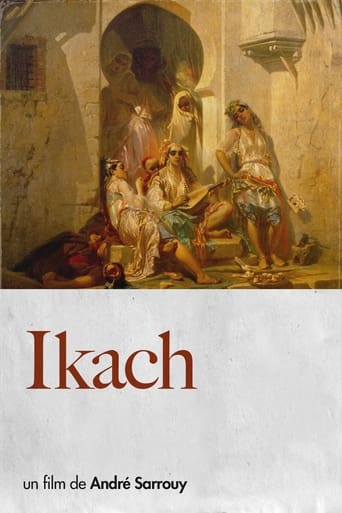
Ikach, is a farce in two acts in popular Arabic, written by André Sarrouy and adapted and directed by himself. A critique of marriage in colonial Algeria at a time when women were little taken into account. Cunning of women and stupidity of husbands, on an original soundtrack composed by Mohamed Iguerbouchène.
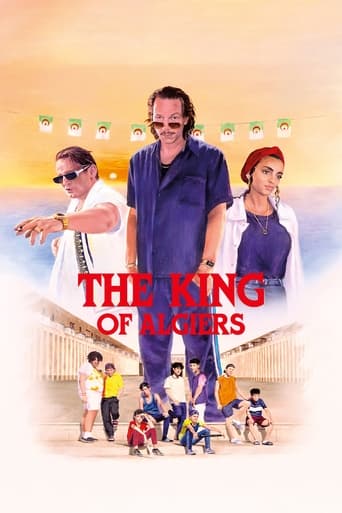
Omar, better known as Omar the Strawberry, is an old-fashioned bandit. Forced to flee to Algeria, he makes a living out of petty crime, accompanied by his famous sidekick Roger. After decades of ruling the French criminal underworld, they must come to terms with their new life together, which until now has been one of debauchery and violence.
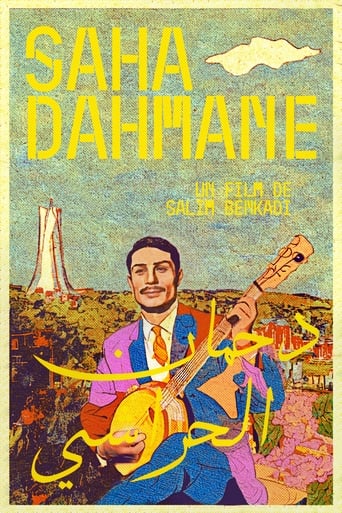
Film about Dahmane El Harrachi, musician, singer and composer of the famous song "Ya Rayah", a cult song covered by Rachid Taha, which will enjoy international success. Virtuoso of the banjo, the work of Dahmane El Harrachi did not initially respond to the canons of the purists of Algiers Chaâbi song. However, he will end up establishing himself alongside great masters of the genre, El Hadj M'hamed El Anka, Boudjemaâ El Ankis, El Hachemi Guerouabi, Amar Ezzahi... He plays his own role in this film shot with his musician friends, just before his tragic death in 1980 in a car accident on the Corniche of Algiers.
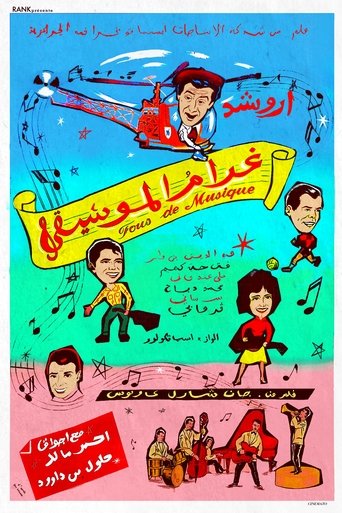
Fous de Musique by Jean-Charles Carlus (1957) is a musical comedy featuring Rouiched, Mahieddine Bentir and the famous Bendaoud orchestra. Shot during the Algerian War, the film was not released until after independence and was probably shown in Paris in cinemas intended for immigrant workers around 1967. Sources: Archives Numériques du Cinéma Algérien
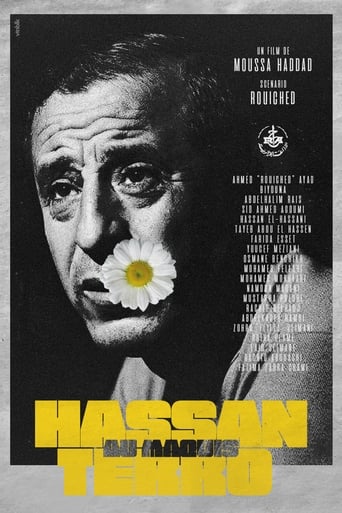
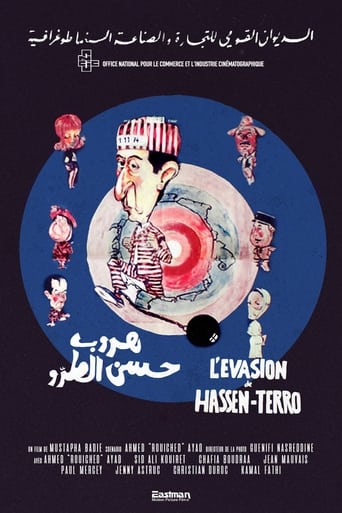
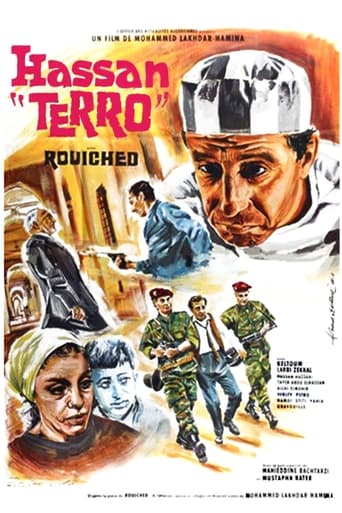
While trying by all means to stay out of the bloody turmoil caused by the Battle of Algiers, Hassan, an honest and naive family man, is wrongfully accused of terrorism by the French colonial army in "Hassan Terro." After escaping in "The Escape of Hassan Terro," Hassan is forced to join the resistance in "Hassan Terro in the Maquis."
Like every year in Zitouna, a bear handler passes by. With his creature, he comes to challenge the small community. And like every year, it is Slimane El Mabrouk who defends the honor of the tribe. But this time, he dies, leaving two orphans, Omar and Ourida. Robbed of their inheritance, the children will grow up alone. The years pass, the French army settles in, and with it, the war. Mysteriously, one day, after the murder of a French legionnaire, Omar disappears into the bush, while his sister dies in childbirth. Omar will return to the village, much later, once independence has been acquired, as a representative of power and with this enigmatic formula: "You must know that the Revolution has not forgotten you". Personal revenge? Sincere desire to bring progress and modernity? ... The inhabitants of Zitouna, upset in their ancestral way of life, will not be long in having an answer to their questions.
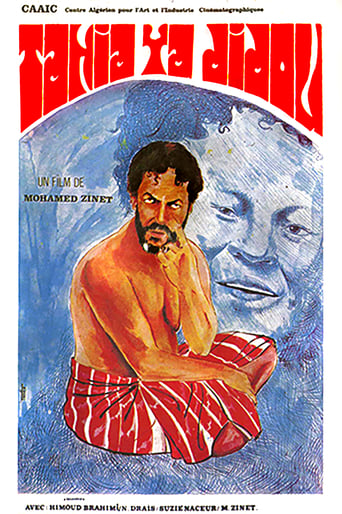
Originally commissioned by the city of Algiers to promote tourism, Mohamed Zinet’s Tahia ya Didou blends documentary with fiction to create a poetic, acerbic and rapturous portrait of the director’s native city. The camera travels freely, through the port, market, streets and cafés, capturing everyday people, some of whom recur frequently enough to seem like protagonists. The nominal plotline follows a French tourist couple’s leisurely visit to the city, the man having previously served in the army during the Algerian war. As they walk around, his comments betray his mindset’s racist colonial prejudices, while his wife reiterates asinine clichés. Their unhurried wandering is interrupted when he comes across a blind man and realises that he tortured him during his army service. The film is punctuated with punchy sequences that show a poet named Momo delivering verse as an elegy for Algiers.
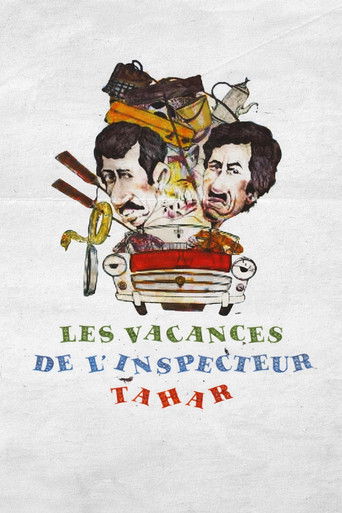
Inspector Tahar and his apprentice are invited by Mama Traki, a popular Tunisian heroine, to spend their vacation in Tunis. Before leaving Algiers, they stop at a tourist complex where a murder has just been committed. The investigation full of surprises and twists and turns will take them to Tunis where they will find Ommi Traki and his family...