

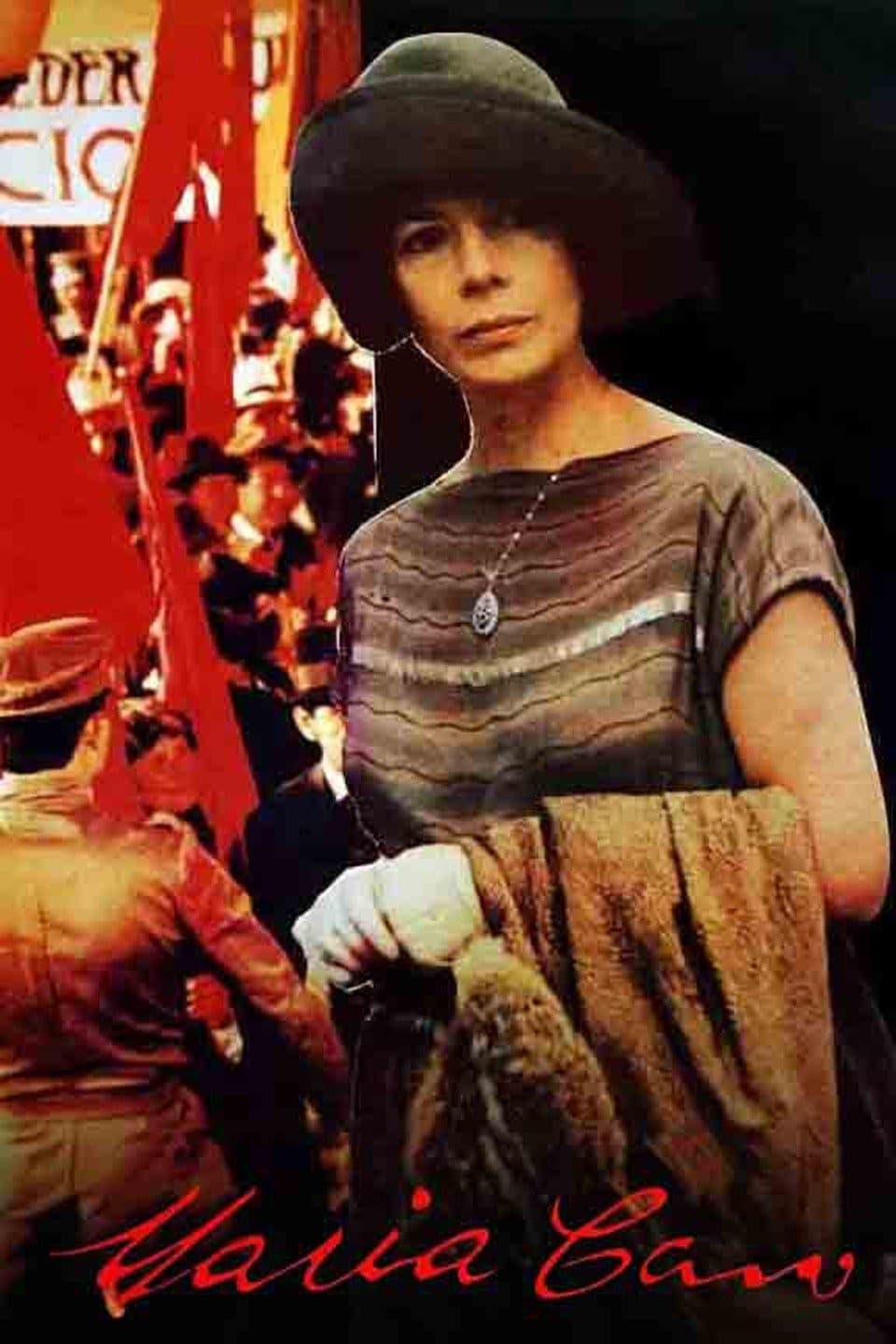
María Cano
Drama · History · Romance
Overview
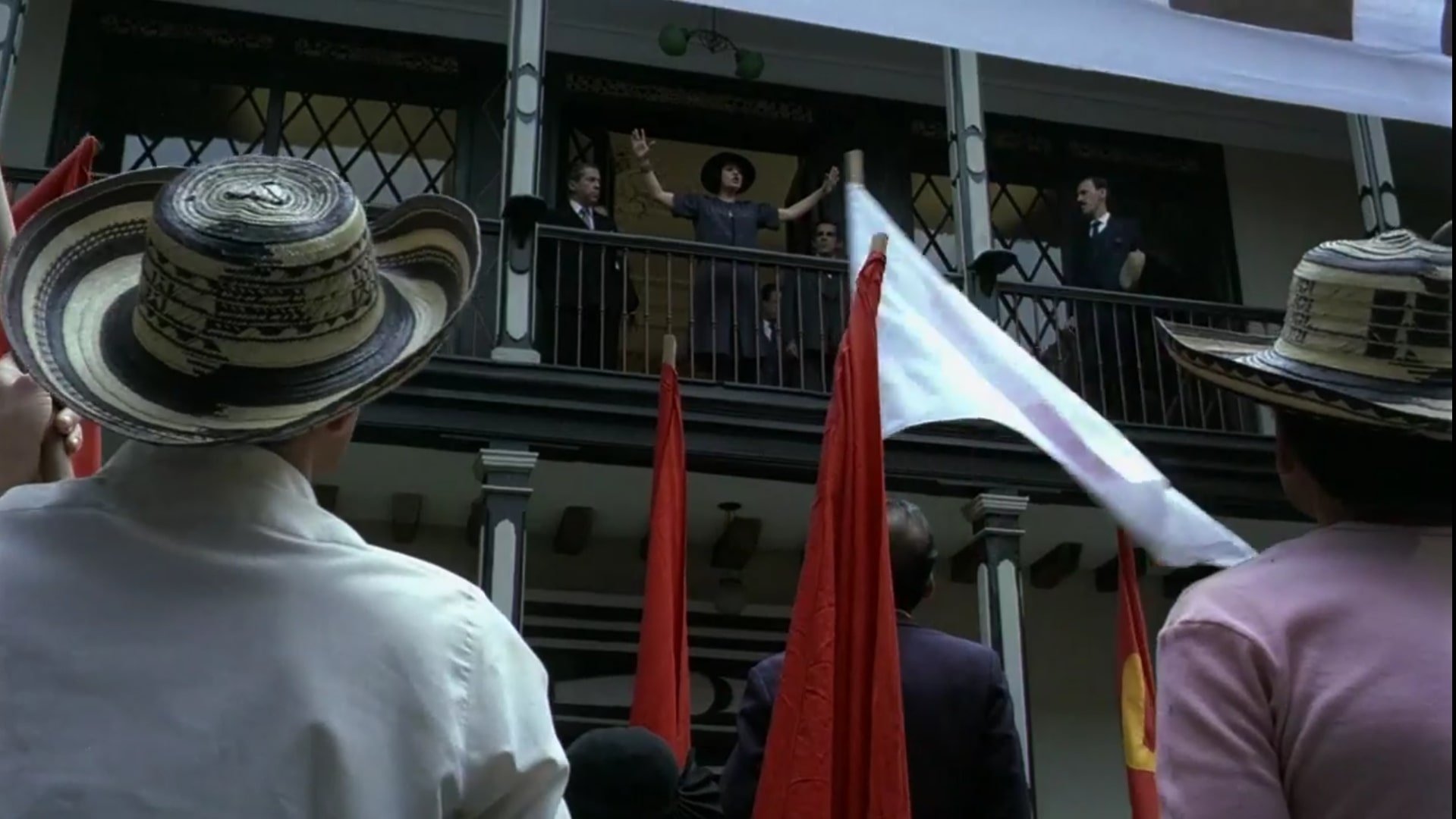
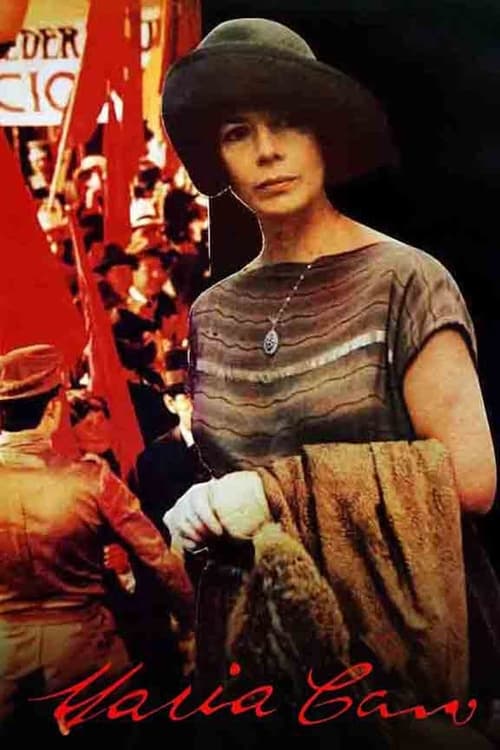
Colombia receives the indemnity for Panama and accepts foreign credit to undertake development works, which increases the number of workers, although with poor wages and terrible working conditions. María Cano, a political activist, began her fight for the conditions of salaried workers and for the fundamental rights of the population.
Top Cast

María Eugenia Dávila
María Cano
Frank Ramírez
Ignacio Torres Giraldo

MAGUSO
Carmen Luisa Cano

Diego Vélez
Tomás Uribe Márquez

Germán Escallón
Ezequiel Rentería
Jorge Herrera
Raúl Eduardo Mahecha

Ana María Arango
Rurra Cano

Bárbara Perea
Prostituta
Eduardo Carvajal
El Caimán
Rosario Jaramillo
Flor del trabajo de Bogotá
Carlos Arango
Alipio el vecino
Rafael Maldonado
Ministro de gobierno 1




María Eugenia Dávila
María Eugenia Dávila
María Cano
María Eugenia Dávila
María Cano
Frank Ramírez
Frank Ramírez
Ignacio Torres Giraldo
Frank Ramírez
Ignacio Torres Giraldo
MAGUSO
MAGUSO
Carmen Luisa Cano
MAGUSO
Carmen Luisa Cano
Diego Vélez
Diego Vélez
Tomás Uribe Márquez
Diego Vélez
Tomás Uribe Márquez
Germán Escallón
Germán Escallón
Ezequiel Rentería
Germán Escallón
Ezequiel Rentería
Jorge Herrera
Jorge Herrera
Raúl Eduardo Mahecha
Jorge Herrera
Raúl Eduardo Mahecha
Ana María Arango
Ana María Arango
Rurra Cano
Ana María Arango
Rurra Cano
Bárbara Perea
Bárbara Perea
Prostituta
Bárbara Perea
Prostituta
Eduardo Carvajal
Eduardo Carvajal
El Caimán
Eduardo Carvajal
El Caimán
Rosario Jaramillo
Rosario Jaramillo
Flor del trabajo de Bogotá
Rosario Jaramillo
Flor del trabajo de Bogotá
Similar Movies
Santos attempts to lead a people's revolt in Colombia to overthrow the Presidente. When his revolt fails and he is killed, his sister Christina goes to New York to find McBain, a lieutenant Santos rescued during the Vietnam War. McBain agrees to help, recruits his old war buddies, raises some cash by killing a few drug dealers, then leads an attack to topple the Colombian government.
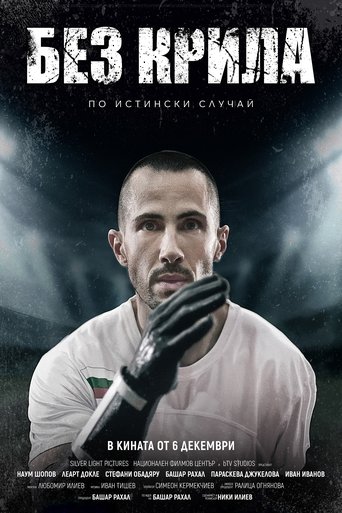
The movie is inspired by the true life story of Bulgarian paralympic ‘Long jump’ triple world champion Mihail Hristov. The film follows Mihail from the moment he loses both his arms in an electric current incident and makes the life-changing decision of becoming a professional athlete as he goes through the catharsis of deciding to start a new life without arms. He goes through a number of difficulties, both on the sports field and in his personal relationships with his parents, his coach, the girl he falls in love with but most of all, the difficulty of accepting what has happened to him. The script traces Mihail's difficult fate from the accident that left him without arms to becoming a triple long jump world champion, inventor of a new type of prosthetics and a motivational speaker.
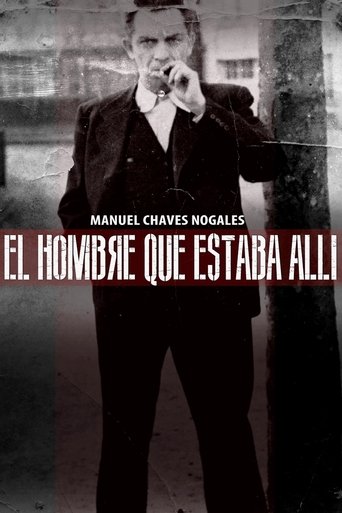
The Spanish journalist Manuel Chaves Nogales (1897-1944) was always there where the news broke out: in the fratricidal Spain of 1936, in Bolshevik Russia, in Fascist Italy, in Nazi Germany, in occupied Paris or in the bombed London of World War II; because his job was to walk, see and tell stories, and thus fight against tyrants, at a time when it was necessary to take sides in order not to be left alone; but he, a man of integrity to the bitter end, never did so.
In the occupied Netherlands near the end of WWII, a young teenager, Jeroen Boman (Maarten Smit) is sent to the Dutch countryside to avoid the war in Amsterdam. While living with his adopted family, Jeroen meets and becomes friends with a Canadian soldier named Walt Cook, who is stationed at the same town he is staying at. Joroen and Walt spend a lot of time playing around and eventually a romantic relationship develops between them. The boy’s sexual curiosity leads him to have a sexual experience with Walt, an encounter that is shown with some vague detail but without actually showing any nudity, even though sexual intimacy between the two of them is implied. Overall, the movie handles this difficult subject with an elegant style and feeling, without having the adult-child relationship overwhelm the viewer and thus allowing the movie to be seen as just a wartime relationship between two people that marks an important time in a young boy’s life.