


Documentary
Overview
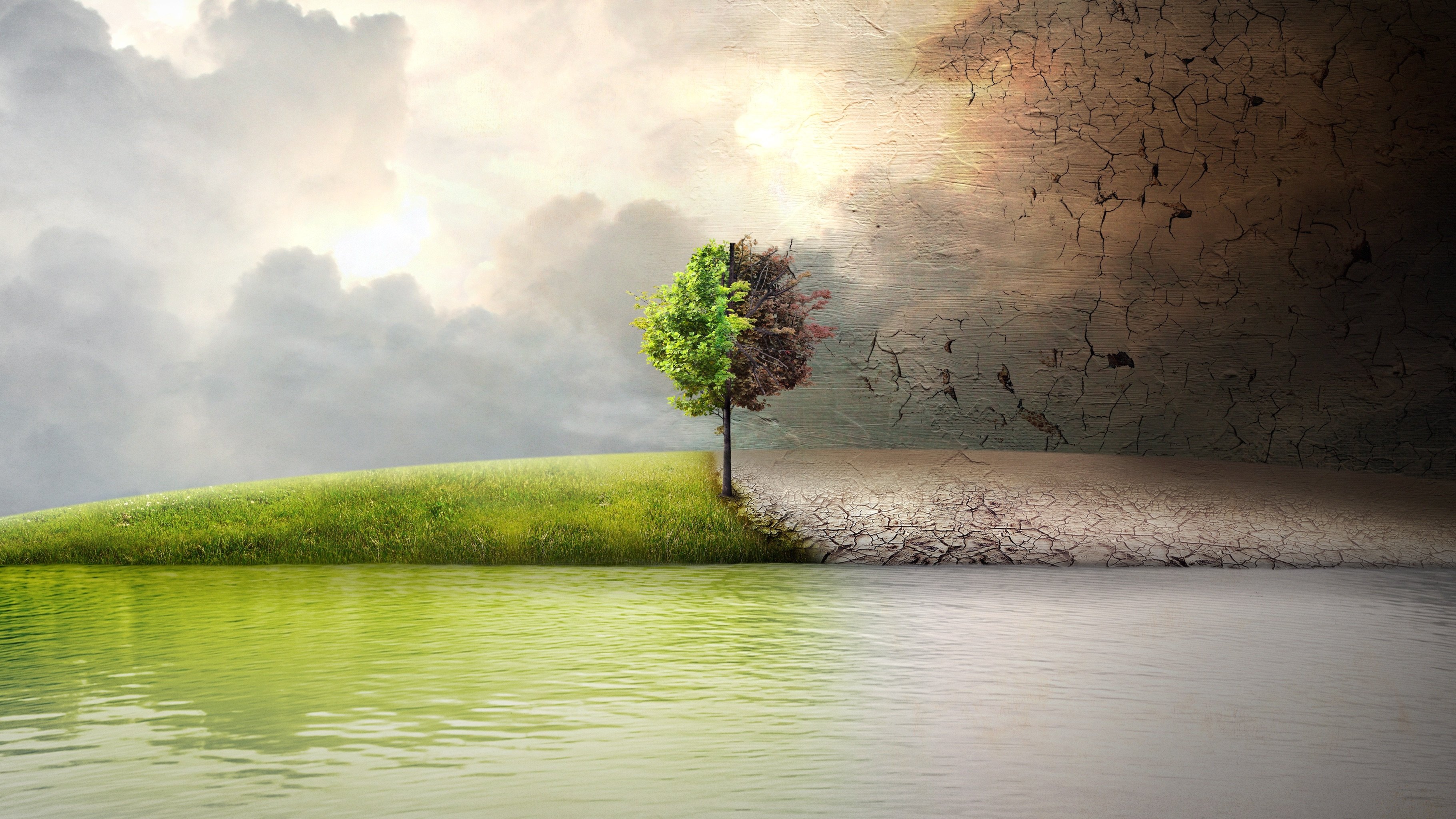
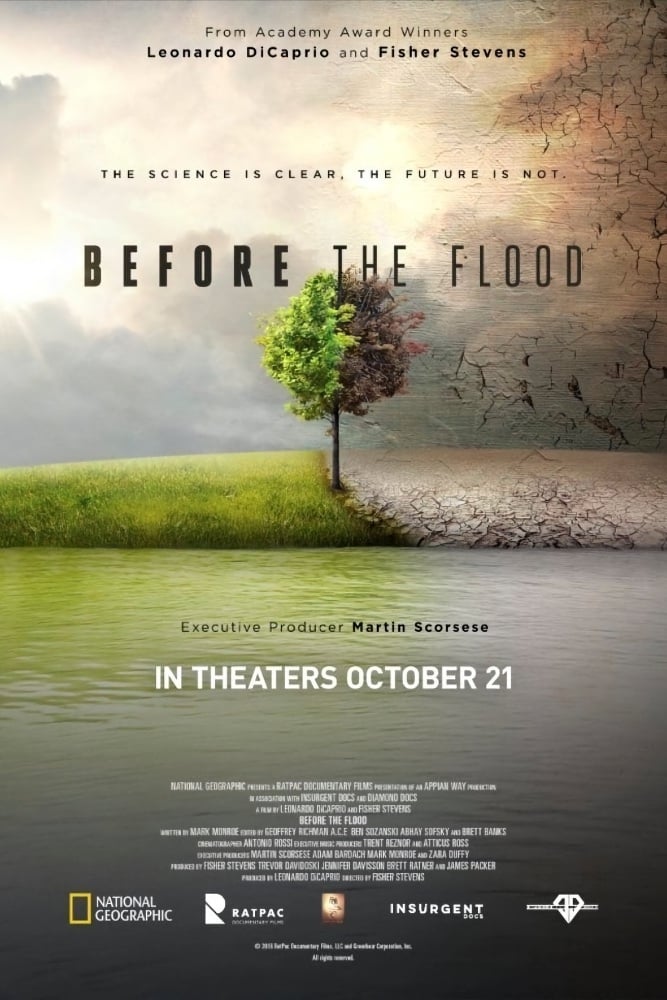
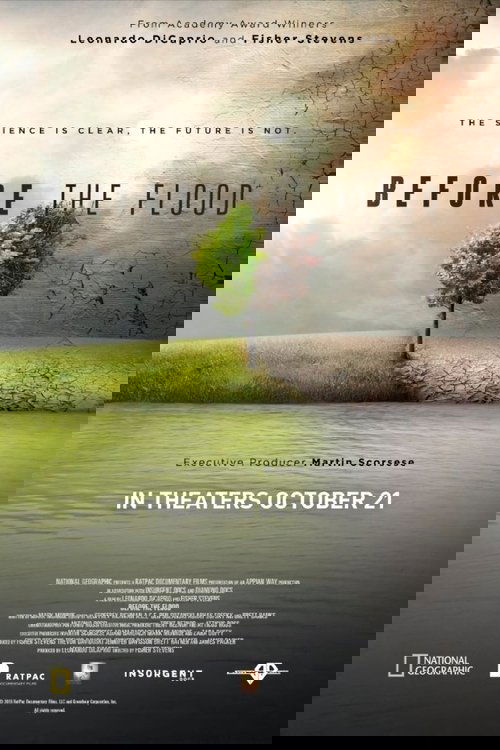
A look at how climate change affects our environment and what society can do to prevent the demise of endangered species, ecosystems, and native communities across the planet.


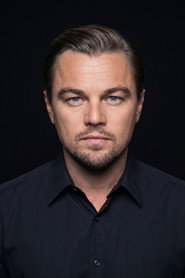
Leonardo DiCaprio
Leonardo DiCaprio
Self
Leonardo DiCaprio
Self

Bill Clinton
Bill Clinton
Self
Bill Clinton
Self

John Kerry
John Kerry
Self
John Kerry
Self
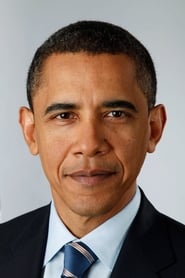
Barack Obama
Barack Obama
Self
Barack Obama
Self
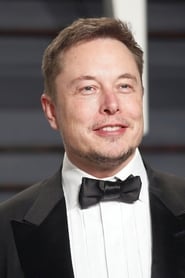
Elon Musk
Elon Musk
Self
Elon Musk
Self
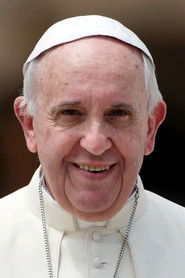
Pope Francis
Pope Francis
Self
Pope Francis
Self
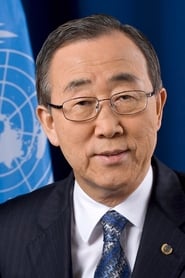
Ban Ki-moon
Ban Ki-moon
Self
Ban Ki-moon
Self
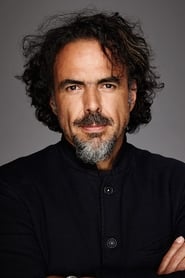
Alejandro G. Iñárritu
Alejandro G. Iñárritu
Self
Alejandro G. Iñárritu
Self
Michael Brune
Michael Brune
Self
Michael Brune
Self
Marc Mageau
Marc Mageau
Self
Marc Mageau
Self
Similar Movies
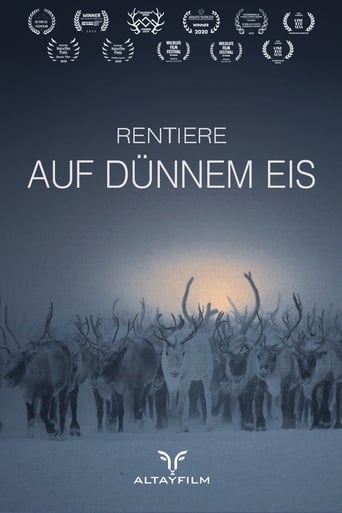
Climate change has reached the indigenous Nenets people in the north of Siberia. The nomads' herds of reindeer move on thin ice. The warming in the Russian Arctic is becoming dramatically visible. Huge craters open in the thawing permafrost and expose dangerous viruses and bacteria. Forest floors dry out and the taiga catches on fire. The pack ice off the coast is melting and depriving polar bears of their habitat so that they approach human settlements in their desperation. The changes in the nature of the Arctic Circle combine with the measurements of researchers and observations of the indigenous people to form a disturbing overall picture: In the Russian Arctic, Pandora's box has been opened! The film team had the chance to shoot in regions that were been restricted areas for decades. The documentary shows in impressive and depressing images already existing effects, phenomena and ominous interlinkages of global warming.
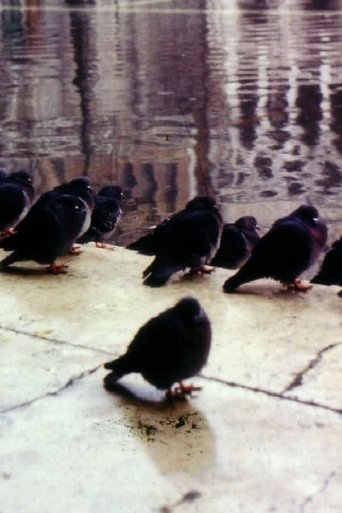
Yannick Bellon's documentary paints a portrait of a city torn between the problem of unsanitary housing, pollution corroding walls and statues, and the recurring and increasing floods—all consequences of human activity. Faced with job shortages and rampant speculation, the overarching question arises of how industries can coexist with the city of Venice. Allowing them to develop risks destroying it; driving them out risks turning it into a museum, causing its inhabitants, and thus its soul, to leave.
Since World War II North Americans have invested much of their newfound wealth in suburbia. It has promised a sense of space, affordability, family life and upward mobility. As the population of suburban sprawl has exploded in the past 50 years Suburbia, and all it promises, has become the American Dream. But as we enter the 21st century, serious questions are beginning to emerge...
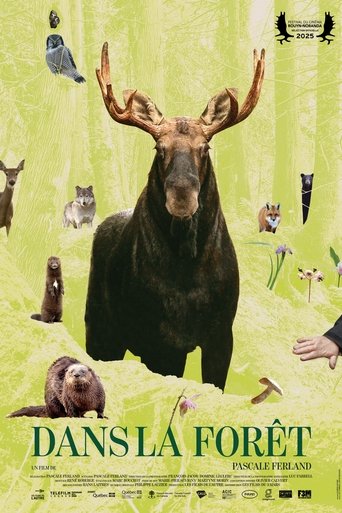
In the Forest is a documentary essay that explores the deep connections between humans, animals, and the forest. Through fragments of lives that intersect, echo, or contradict one another, the film gradually weaves the portrait of a rich, complex, and sometimes unsettling world where the desire to protect coexists with the drive to exploit. Moving between realism, political engagement, and dreamlike imagery, it reveals a forest that - in the face of multiplying climate upheavals and an accelerating sixth mass extinction - whispers, to those who know how to listen, the urgent need to safeguard the fragile balance between humanity, fauna, and flora.
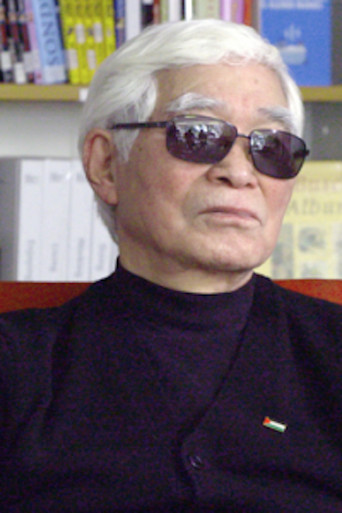
Masao Adachi, the author and director of experimental works and pinku-eiga in the 1960s, was a member of the Japanese New Left that shifted from being a filmmaker to a guerrilla fighter. In 1974, he joined the Japanese Red Army in Lebanon, which worked closely with the Popular Front for the Liberation of Palestine. Filmmaker Lutz Dammbeck met Adachi in Tokyo in 2018 and talked with him about a wide range of topics, including art, revolution, the influence of western avant-garde art and American underground; the Japanese Red Army; collaboration with secret services; the role of the Left after 1968; and the reasons for failures of leftist ideas and strategies.
"Africa Light" - as white local citizens call Namibia. The name suggests romance, the beauty of nature and promises a life without any problems in a country where the difference between rich and poor could hardly be greater. Namibia does not give that impression of it. If you look at its surface it seems like Africa in its most innocent and civilized form. It is a country that is so inviting to dream by its spectacular landscape, stunning scenery and fascinating wildlife. It has a very strong tourism structure and the government gets a lot of money with its magical attraction. But despite its grandiose splendor it is an endless gray zone as well. It oscillates between tradition and modernity, between the cattle in the country and the slums in the city. It shuttles from colonial times, land property reform to minimum wage for everyone. It fluctuates between socialism and cold calculated market economy.
What does it mean to be Black in America in the 21st century? The recently formed Black American film group TNEG™ has set out to elucidate this very question. Hearing from the likes of fine artist Kara Walker and musical artist Flying Lotus, the film is based on a deceptively simple approach -- asking a refined list of black 'specialists' as well as 'uncommon folks' questions about what they think, and more importantly as lead director Arthur Jafa states, 'What they KNOW' -- the film is an unprecedented 'stream of the black consciousness' and a strikingly original and rarefied look at black intellectual and emotional life. What's so unorthodox about this simple approach is that the interviews were recorded separately from the images in the film. What results is a breathtaking, kaleidoscopic look of American black life from the dawn of three original filmmakers.