

Chernobyl: The Zone
Documentary

No cast information.
Similar Movies
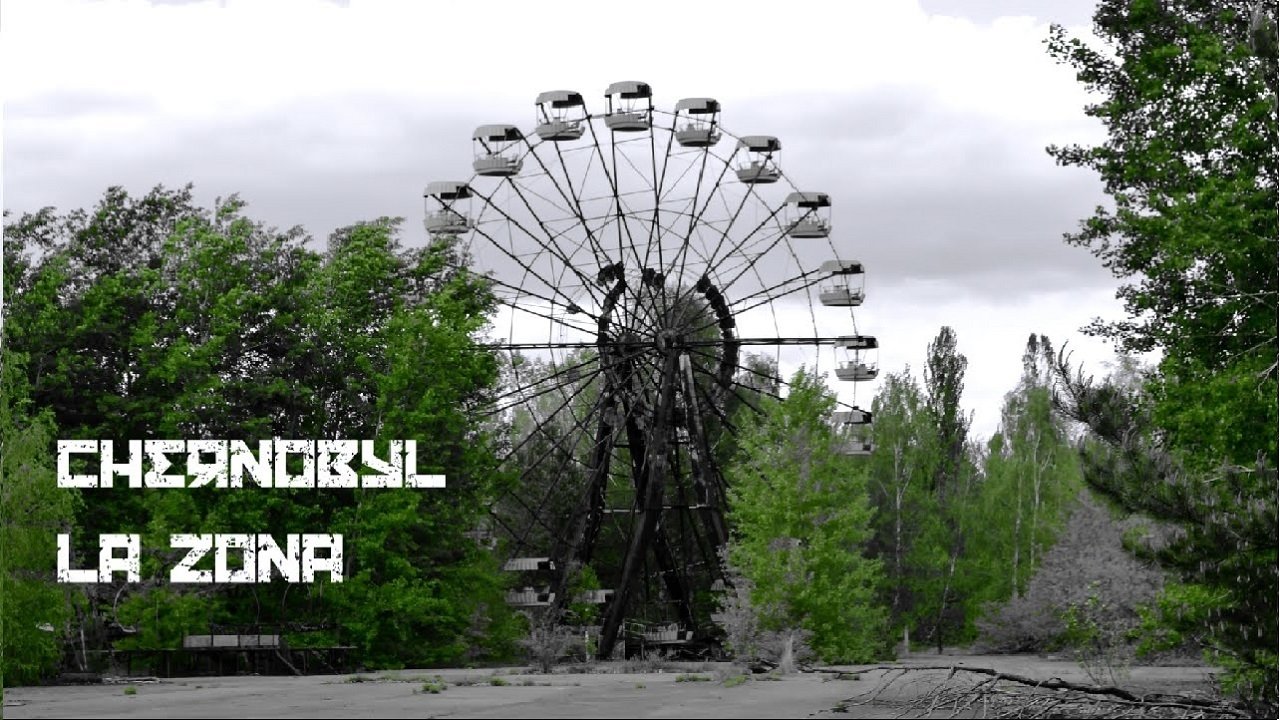
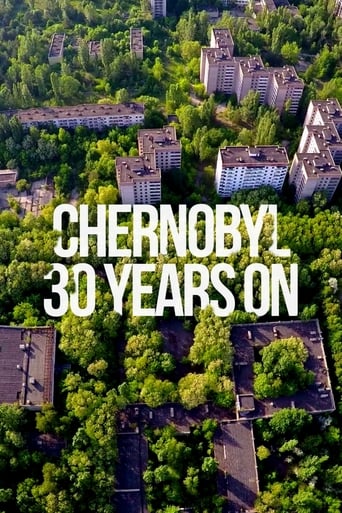
What would happen if the world were suddenly without people - if humans vanished off the face of the earth? How would nature react - and how swiftly? On the edge of Europe, the deserted village of Chernobyl reveals the surprising answer after an unplanned experiment. Chernobyl was abandoned by people after the worst nuclear disaster in history (April 26, 1986). A level 7 meltdown resulted in a severe release of radioactivity following a massive explosion that destroyed the reactor. More than 20 years later, Chernobyl has been taken over by a remarkable collection of wildlife and descendents of pets that were left in the city when its residents fled the nuclear fallout. Unexpectedly in the aftermath of this disaster, Chernobyl has become a sanctuary for plants, birds, and animals, including some species thought to be on the brink of extinction.
Cane Toads: The Conquest is a comic yet provocative account of Australia’s most notorious environmental blunder from filmmaker Mark Lewis. Shot against the harsh and beautiful landscape of northern Australia, Cane Toads: The Conquest tracks the unstoppable journey of the toad across the continent. Director Mark Lewis (Cane Toads: An Unnatural History, The Natural History of the Chicken) injects his trademark irreverence and humor into the story as he follows a trail of human conflict, bizarre culture and extraordinary close encounters. Filmed with high-resolution 3D technology, Cane Toads is the first Australian digital 3D feature film. Custom designed equipment allows viewers to get up close and personal with these curious creatures like never before. The unique viewing experience is like being immersed in the world of the toad.
In this special documentary that inspired a two-season television series, scientists and other experts speculate about what the Earth, animal life, and plant life might be like if, suddenly, humanity no longer existed, as well as the effect humanity's disappearance might have on the artificial aspects of civilization.
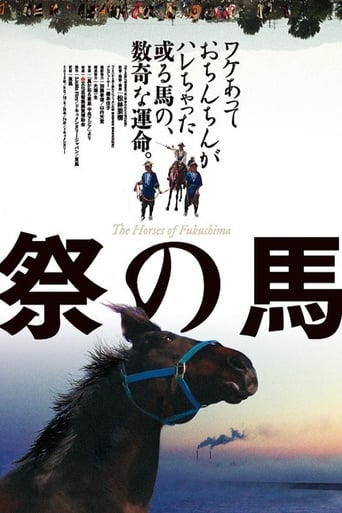
Fukushima's Minami-soma has a ten-centuries-long tradition of holding the Soma Nomaoi ("chasing wild horses") festival to celebrate the horse's great contribution to human society. Following the meltdown of the Fukushima Daiichi Nuclear Power Plant in the wake of the March 11, 2011 earthquake and tsunami, local people were forced to flee the area. Rancher Shinichiro Tanaka returned to find his horses dead or starving, and refused to obey the government's orders to kill them. While many racehorses are slaughtered for horsemeat, his horses had been subjected to radiation and were inedible. Yoju Matsubayashi, whose "Fukushima: Memories of the Lost Landscape" is one of the most impressive documentaries made immediately after the disaster, spent the summer of 2011 helping Tanaka take care of his horses. In documenting their rehabilitation, he has produced a profound meditation on these animals who live as testaments to the tragic bargain human society made with nuclear power.