

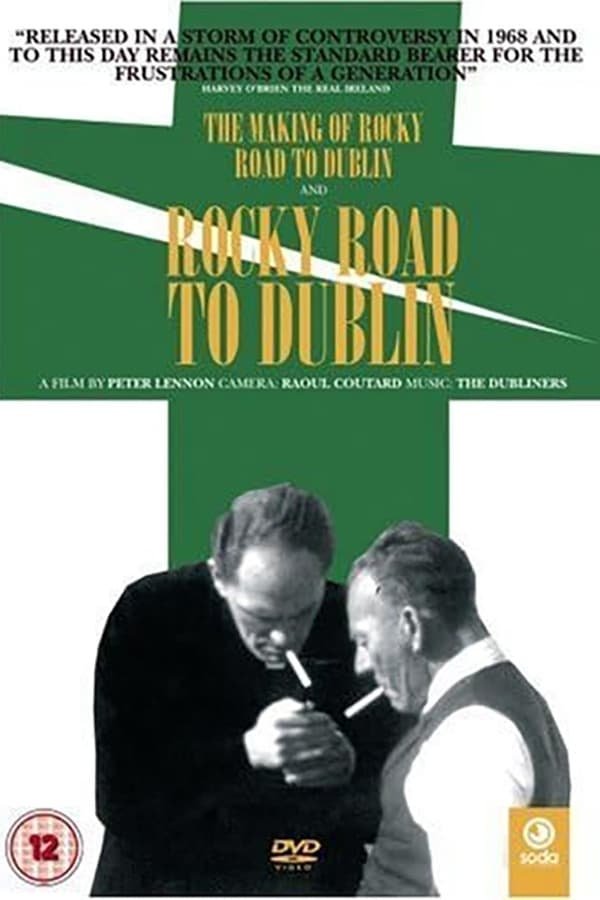
The Making of Rocky Road to Dublin
Documentary
Overview
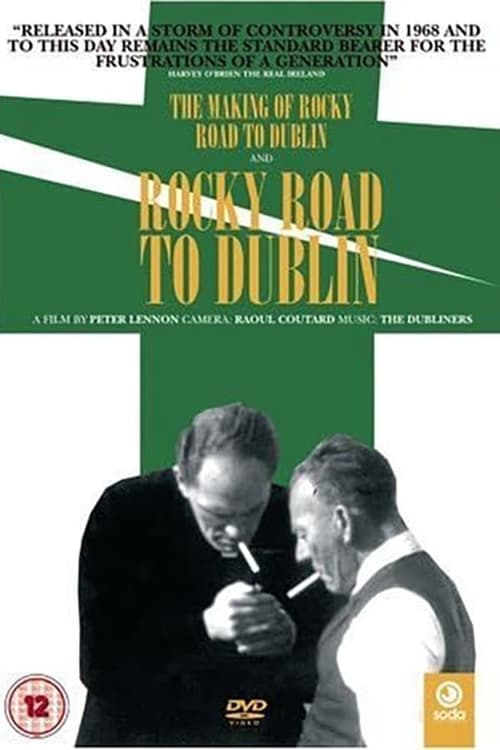
This documentary reunites director Peter Lennon and cinematographer Raoul Coutard, who recount the making of their then controversial but now classic documentary on Ireland in the Sixties. Rocky Road to Dublin was screened for only a few weeks at a single Dublin theatre.


Raoul Coutard
Raoul Coutard
Self
Raoul Coutard
Self
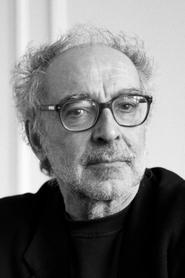
Jean-Luc Godard
Jean-Luc Godard
Self
Jean-Luc Godard
Self

Peter Lennon
Peter Lennon
Self
Peter Lennon
Self

Sean O’Faoláin
Sean O’Faoláin
Self (Archive Footage)
Sean O’Faoláin
Self (Archive Footage)

John Huston
John Huston
Self (Archive Footage)
John Huston
Self (Archive Footage)

Gavin Millar
Gavin Millar
Voiceover Interviewer (Archive Footage)
Gavin Millar
Voiceover Interviewer (Archive Footage)
Similar Movies
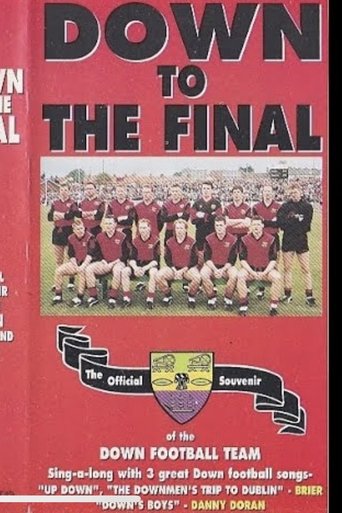
A unique production, featuring each member of the All-Ireland team, together with former Down footballing legends. Hear the strategies and comments from Manager Pete McGrath, interviews, comments and analysis from former Down stars like Sean O'Neill, Paddy Doherty, James McCartan, Peter Rooney and Liam Austin. Enjoy the revealing interviews from Down's previous All Ireland Winning captains Kevin Mussen - (1960), Paddy Doherty - (1961), Joe Lennon - (1968), Paddy O'Rourke - (1991) as well as current captain DJ. Kane - (1994). A history of Down football to treasure forever. Presented by Kevin Mallon Produced and Directed by Hugh Hardy
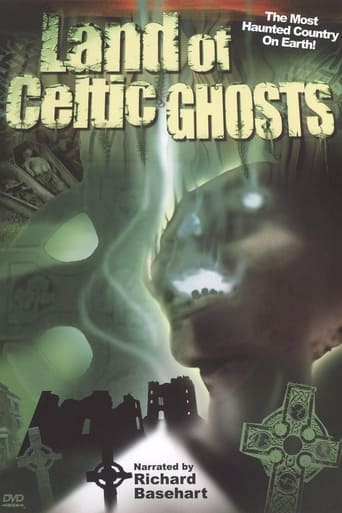
A collection of Irish legends and sightings, featuring eerie ruins of castles. A moody film, very well narrated by Richard Basehart. Rich in folklore and timeless legends, Ireland possesses a history of supernatural phenomena and in fact, may be the most haunted country in the world. This documentary traces the ghostly paths of the spirits that have roamed the Emerald Isle since the beginning of man. Filmed entirely on locations in Ireland, including the city of Dublin and at many other ghostly places such as Killakee House, St. Michan’s Church, St. Patrick’s Cathedral, Carrickmines, Howth Castle, Malahide Castle, Aillwee Cave (Ballyvaughan), Cliffs of Moher, Kilfenora Cathedral, Glenfesk, Muckross Abbey, Kildemock Church, Castlegregory and many more.
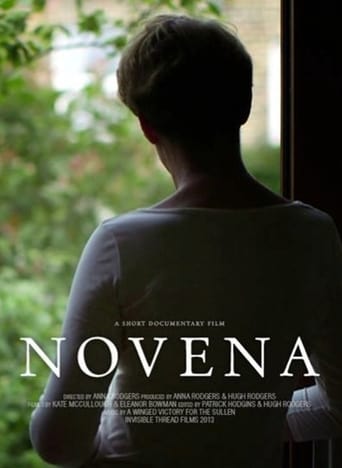
In 2012, Stephen Vaughan and Kay Ferreter are invited to address the congregation at St. Joseph's Redemptorists Church in Dundalk, Ireland for the Solemn Novena Festival. In a powerful speech, the pair describe their experiences being gay and lesbian in Ireland, feeling excluded by Catholic doctrine, and the importance of a more inclusive church.
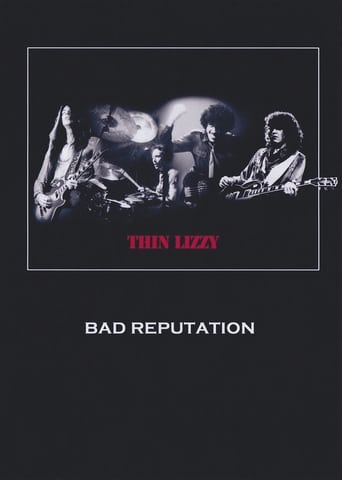
Affectionate but honest portrait of Thin Lizzy, arguably the best hard rock band to come out of Ireland. Starting with the remix of the classic album Jailbreak by Scott Gorham and Brian Downie, the film takes us through the rollercoaster ride that is the story of Thin Lizzy. From early footage of singer Phil Lynott in Ireland in his pre-Lizzy bands the Black Eagles and Orphanage, it follows his progress as he, guitarist Eric Bell and drummer Brian Downie form the basic three-piece that was to become Thin Lizzy - a name taken from the Beano. Using original interviews with Bell, Downie, the man who signed them and their first manager, it traces the early years leading to the recruitment of guitarists Brian 'Robbo' Robertson and Scott Gorham - the classic line-up. The film uses a number of stills, some seen on TV for the first time, archive from contemporary TV shows and a range of tracks both well known and not so famous.
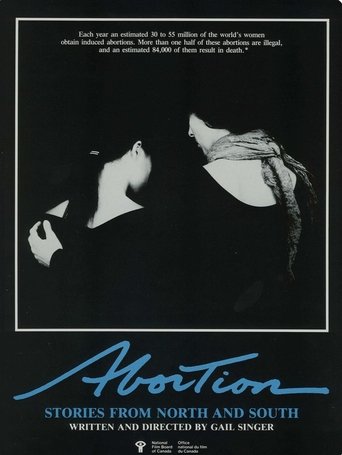
Women have always sought ways to terminate unwanted pregnancies, despite powerful patriarchal structures and systems working against them. This film provides a historical overview of how church, state and the medical establishment have determined policies concerning abortion. From this cross-cultural survey--filmed in Ireland, Japan, Thailand, Peru, Colombia, and Canada--emerges one reality: only a small percentage of the world's women has access to safe, legal operations.

While the overt violence and conflict associated with the Troubles may have subsided since the Good Friday Agreement, it is true that many people in Northern Ireland continue to be affected by the legacy of the conflict. This includes individuals who were directly impacted by the violence, as well as those who continue to struggle with the social, economic, and political consequences of the conflict. While the actual violence and conflict may have ended, the legacy of the Troubles still lingers on in Northern Ireland; many are still struggling to come to terms with what happened and find a way to move forward.
Inspired by Patrick Pearse’s poem Mise Éire (“I Am Ireland”), this documentary assembles archival footage from across Europe to trace the rise of Irish nationalism from the 1890s through the 1916 Easter Rising. Directed by George Morrison, the film chronicles key figures and events of the independence movement, with Irish-language narration and a score by Seán Ó Riada.
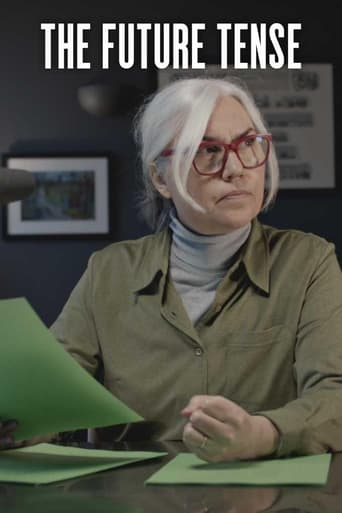
Staged as a series of voiceover sessions, written with gloriously off-balanced precision and dipped in the color green, THE FUTURE TENSE unfolds as a poignant tale of tales, exploring the filmmakers’ own experiences in aging, parenting, mental illness, along with the brutal history that lies submerged beneath Ireland’s heavy, moist earth.