

Waitangi Day: What Really Happened
History
Overview
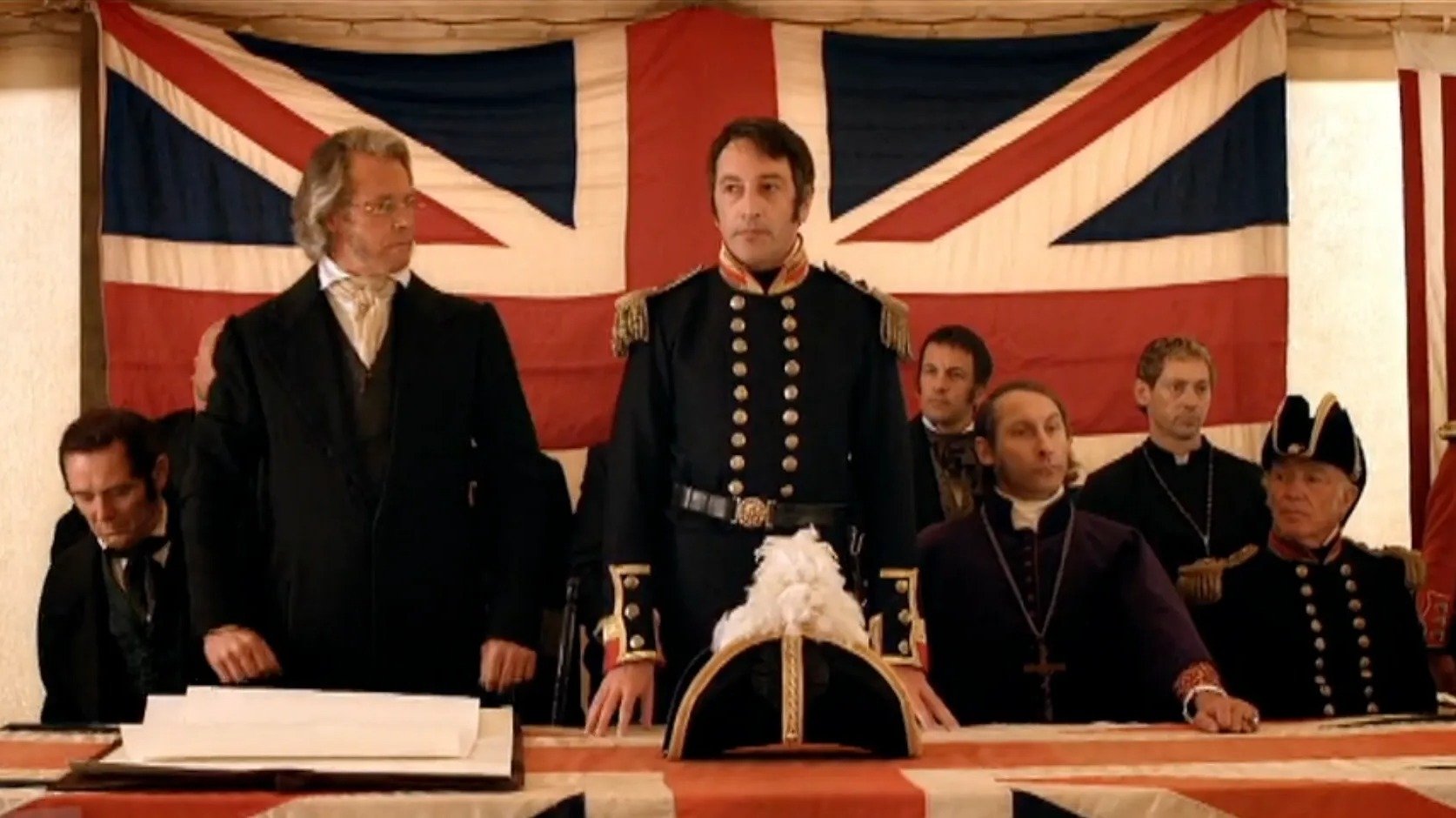
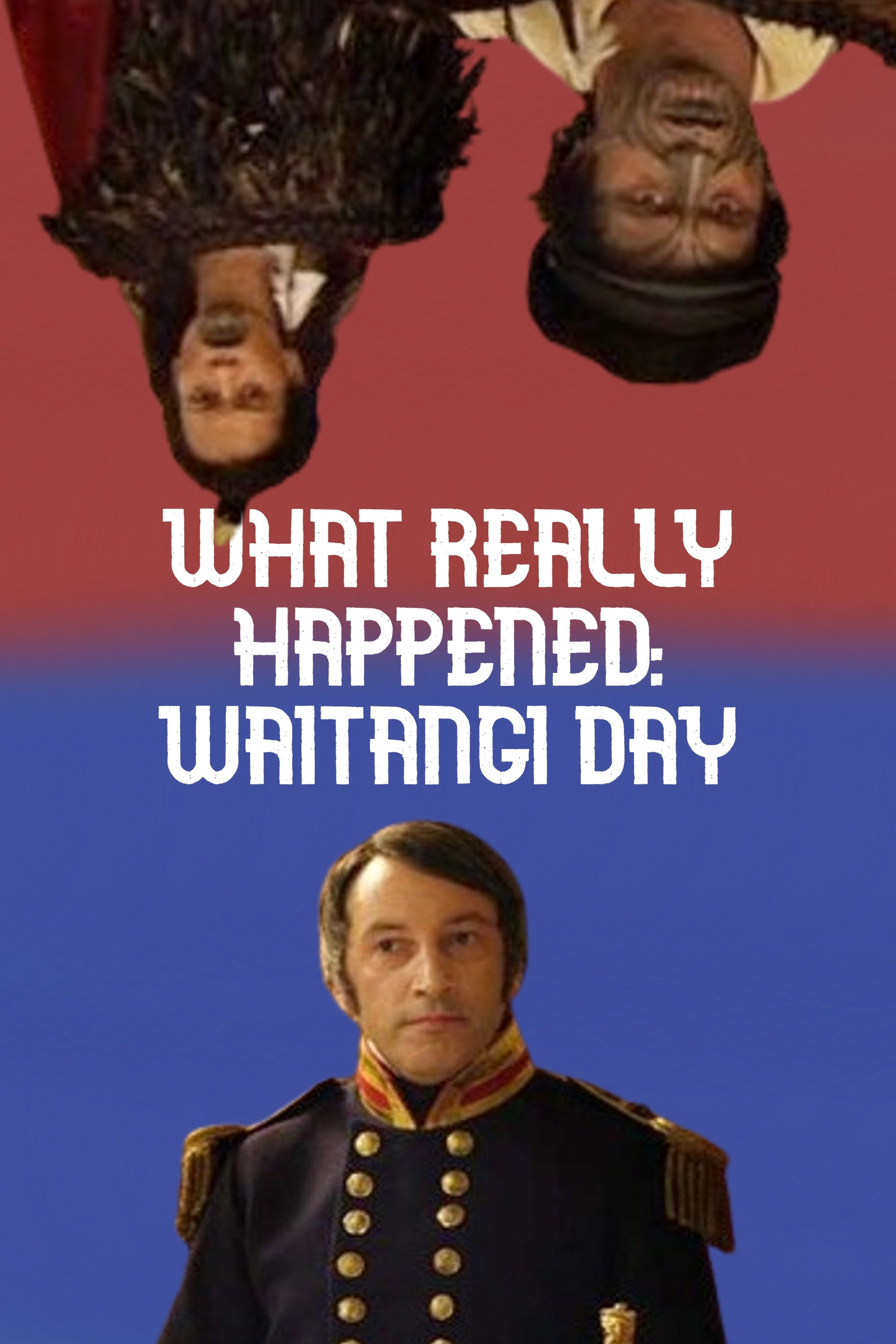
This docudrama follows an imaginary news reporter who travels back in time to cover the days leading up to the Treaty of Waitangi's signing on 6 February 1840. Dropping the usual solemnity surrounding Aotearoa's founding document, it uses humour and asides to camera to evoke the chaos and motives behind the treaty. This clip features a confrontation between Hone Heke and representatives of the Crown.

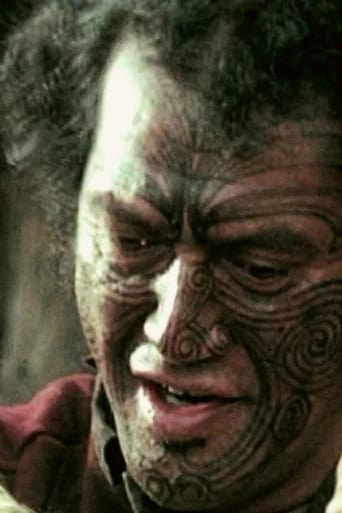




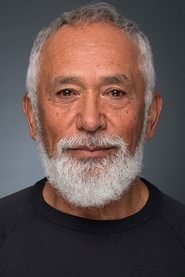
George Henare
George Henare
Kawiti
George Henare
Kawiti
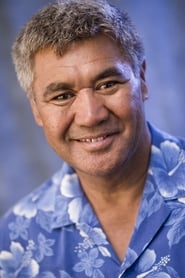
Rawiri Paratene
Rawiri Paratene
Kaiteke
Rawiri Paratene
Kaiteke
Calvin Tuteao
Calvin Tuteao
Nene
Calvin Tuteao
Nene

Jarod Rawiri
Jarod Rawiri
Hone Heke
Jarod Rawiri
Hone Heke

Stephen Lovatt
Stephen Lovatt
Busby
Stephen Lovatt
Busby

Craig Parker
Craig Parker
Freeman
Craig Parker
Freeman

Miriama McDowell
Miriama McDowell
Hariata
Miriama McDowell
Hariata

Te Kohe Tuhaka
Te Kohe Tuhaka
Te Manawa
Te Kohe Tuhaka
Te Manawa
Similar Movies
When a Spanish Jesuit goes into the South American wilderness to build a mission in the hope of converting the Indians of the region, a slave hunter is converted and joins his mission. When Spain sells the colony to Portugal, they are forced to defend all they have built against the Portuguese aggressors.
Based on the autobiographical work of New Zealand writer Janet Frame, this production depicts the author at various stage of her life. Afflicted with mental and emotional issues, Frame grows up in an impoverished family and experiences numerous tragedies while still in her youth, including the deaths of two of her siblings. Portrayed as an adult by Kerry Fox, Frame finds acclaim for her writing while still in a mental institution, and her success helps her move on with her life.
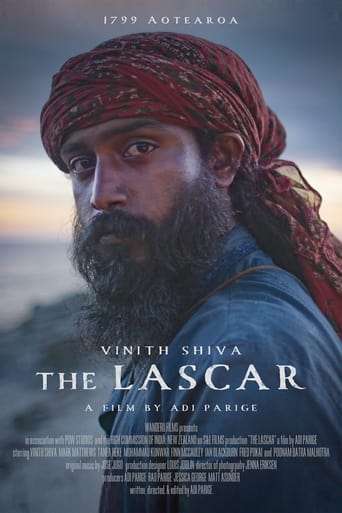
At the end of the 18th century, hundreds of Indian sailors, known as lascars, worked amongst European settlers in Aotearoa New Zealand - often under the gruesome working conditions of seal hunting gangs. The story follows a lascar, Dasa, who has been abandoned on the coast of Aotearoa NZ by the East India Company, alongside his sealing gang. When Dasa finds himself in the middle of a conflict between his abusive British superior and two Māori traders, he is faced with a choice: bend the knee or take a stand.
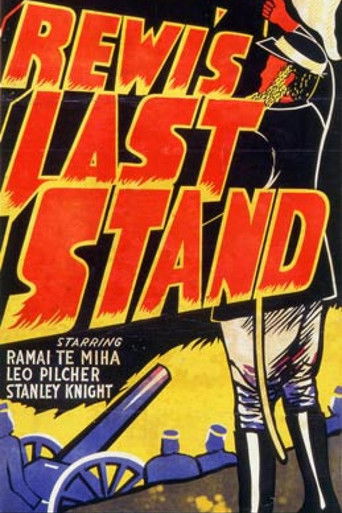
Star-crossed lovers, Robert and Ariana, are caught up in the New Zealand wars of the 1860s. Ariana is claimed by the Maniapoto people as one of their own and, despite Robert's chivalrous defence, is taken by them and must help them prepare for war. Robert likewise must do his patriotic duty and enlists to fight on the other side. He volunteers to ride despatch, thinking it may give him an opportunity to see Ariana again, which it does, but their joy is short-lived; Maniapoto women fight beside their men, and furthermore she is a Rangitira (noble) and will not let her people down. The climax is the siege of Oraku Pa where 300 Maori hold off 2000 troops for three days. The Maniapoto are defeated, but Ariana, although wounded, survives to be reunited with Robert.
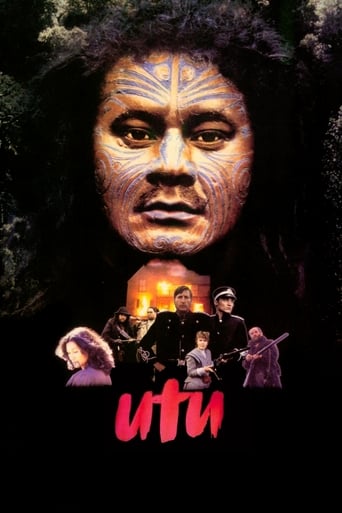
In New Zealand in the 1860s the native Māori people fought the British colonials to keep the land guaranteed to them by treaty. The warrior Te Wheke fights for the British until betrayal leads him to seek utu (revenge). The settler Williamson in turn seeks revenge after Te Wheke attacks his homestead. Meanwhile Wiremu, an officer for the British, seems to think that resistance is futile.
This film presents the point of view of an Arab from Algeria who rebels against colonization. He analyzes the process of awareness, the transition to revolt, to armed insurrection. Algeria and the settlers are seen through this lens and not the way a Frenchman saw the country. He gives voice to the Arabs at a time when this word was not heard: sometimes it was not even produced, at least publicly. The testimonies are based on real propositions, most of them were made to the author during his stay in Algeria from 1948 to 1956, then in 1958 and 1959. The comments are borrowed from the texts of Arab theorists of the revolution Algerian. This film thus completely evacuates the point of view of those who are not insurgents; he does not give the opinion of the colonists. It is the direct expression of what was the revolt of a colonized person: it thus constitutes the very type of the historical document.