

Um Barzinho, Um Violão: ao Vivo
Music
Overview
Esta compilação, gravada em 2001, reúne grandes nomes da MPB interpretando "clássicos" dos barzinhos acompanhados pelo som do violão. Entre eles estão, Ivete Sangalo (Fullgás), Chico César (Filme Triste), Luciana Mello (As Rosas Não Falam) e Ed Motta (Azul Da Cor Do Mar). Destaque para Simone cantando "Samba De Orly", em parceria com Toquinho.




Roberto Menescal
Roberto Menescal
Roberto Menescal

Ivete Sangalo
Ivete Sangalo
Ivete Sangalo
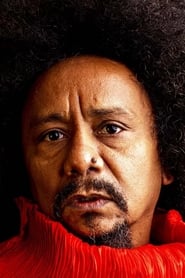
Chico César
Chico César
Chico César

Toquinho
Toquinho
Toquinho
Luciana Mello
Luciana Mello
Luciana Mello

Leila Pinheiro
Leila Pinheiro
Leila Pinheiro
Ed Motta
Ed Motta
Ed Motta

Sandra de Sá
Sandra de Sá
Sandra de Sá
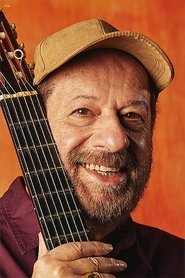
João Bosco
João Bosco
João Bosco
Similar Movies
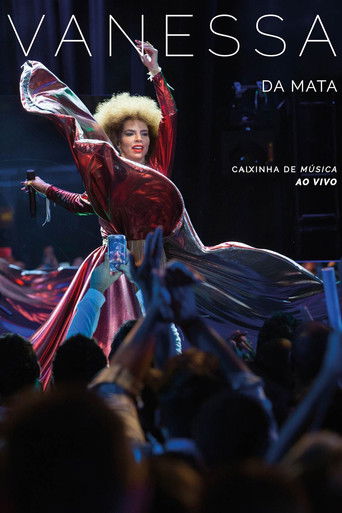
Vanessa da Mata presents her newest project "Caixinha de Música". Recorded at the Teatro Natura in São Pualo, the project is the second DVD of her career and brings a new musical concept for the singer, in which she brings interference from electronic music incorporating the organic sound of a trio of musicians.

"Estratosférica ao Vivo" is not just the record of a Gal Costa show. It is the portrait of the artist reaching the 70 years of life, 50 of them dedicated to music. The show "Estratosférica" crowns the new artistic phase of Gal, more and more interested in connecting several tips of the history of the music of Brazil, joining the composers of its generation to names of the new national scene. The script, created by Marcus Black, was very good at this idea. Sewing songs by Caetano Veloso, Tom Zé, Luiz Melodia, Jards Macalé and Waly Salomão, Carlos Pinto and Torquato Neto, Roberto and Erasmo Carlos - a series of tropicalist and post-tropicalist works that until now serve as reference and feed the new generations of music.
The program brings a career resume of the Samba's master Paulinho da Viola playing classics of MPB like "Sinal Fechado"(Closed Signal), "Nervos de Aço" (Nerves of Steel), "Pecado Capital", "Foi um rio que passou em minha vida" (It was a river that passed in My Life), "Cantando para não chorar" (Singing for not cry) and many others.
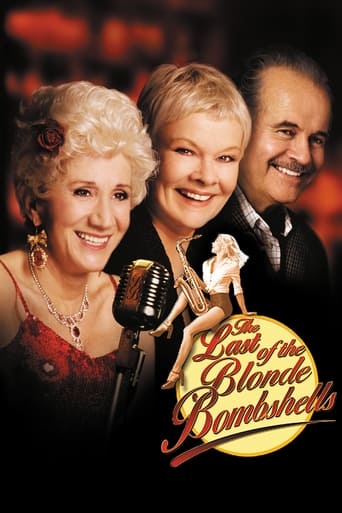
After Elizabeth's husband dies, she begins to play her tenor saxophone again, and remembers when she was 15 and a member of the Blonde Bombshells, an all-girl (with one exception) swing band. Accompanied by the exception and urged on by her grand-daughter, Elizabeth hunts up all the old members of the band and urges them to perform, and in doing so, learns more than she knew about the band, its members, the roses on the drum set, and herself--the last of the Blonde Bombshells.
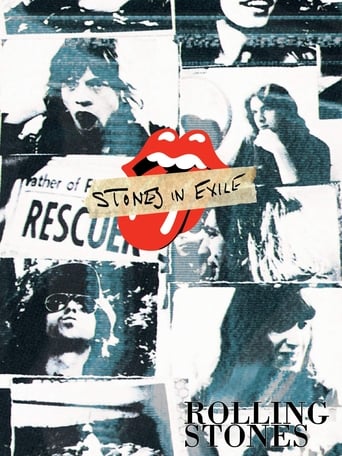
In 1971, to get breathing room from tax and management problems, the Stones go to France. Jimmy Miller parks a recording truck next to Keith Richards and Anita Pallenberg's Blue Coast villa, and by June the band is in the basement a few days at a time. Upstairs, heroin, bourbon, and visitors are everywhere. The Stones, other musicians and crew, Pallenberg, and photographer Dominique Tarle, plus old clips and photos and contemporary footage, provide commentary on the album's haphazard construction. By September, the villa is empty; Richards and Jagger complete production in LA. "Exile on Main Street" is released to mediocre reviews that soon give way to lionization.